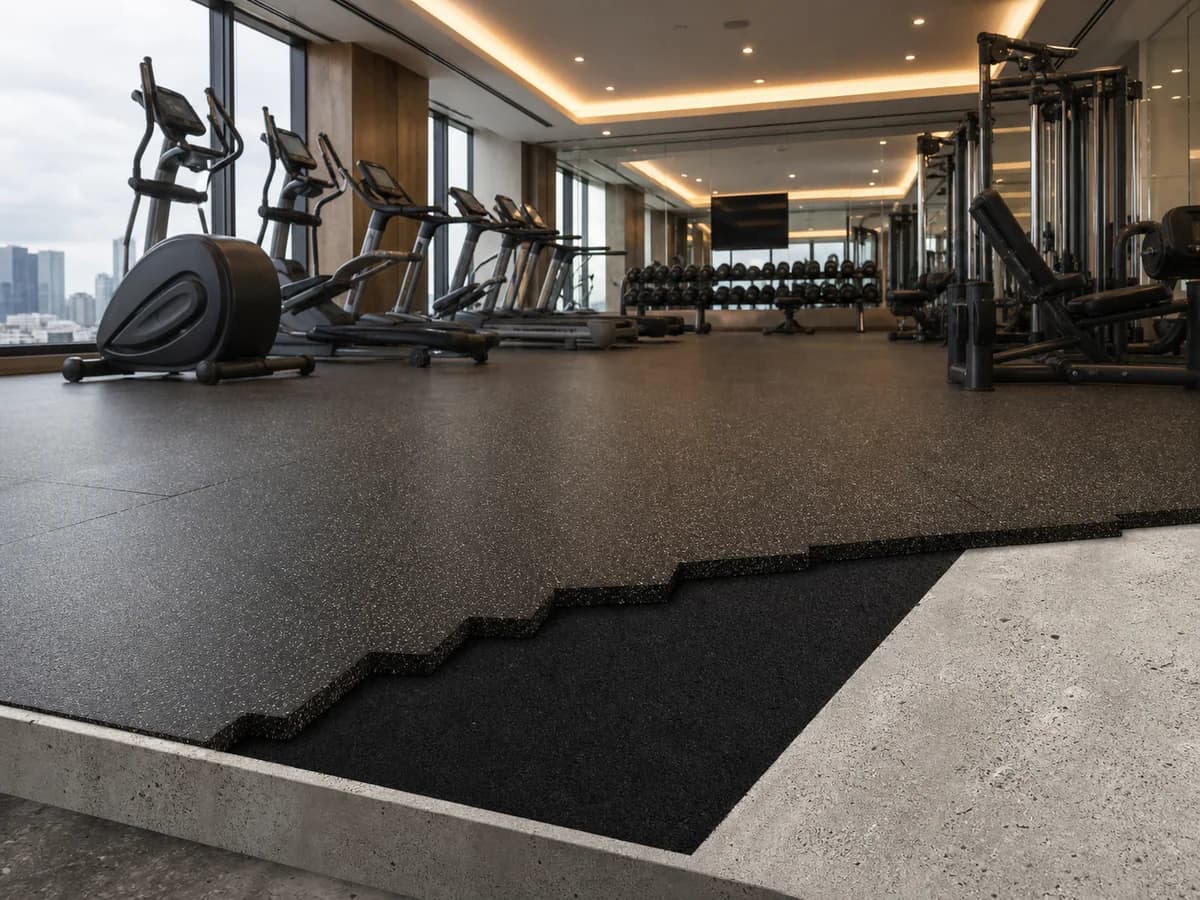
System role
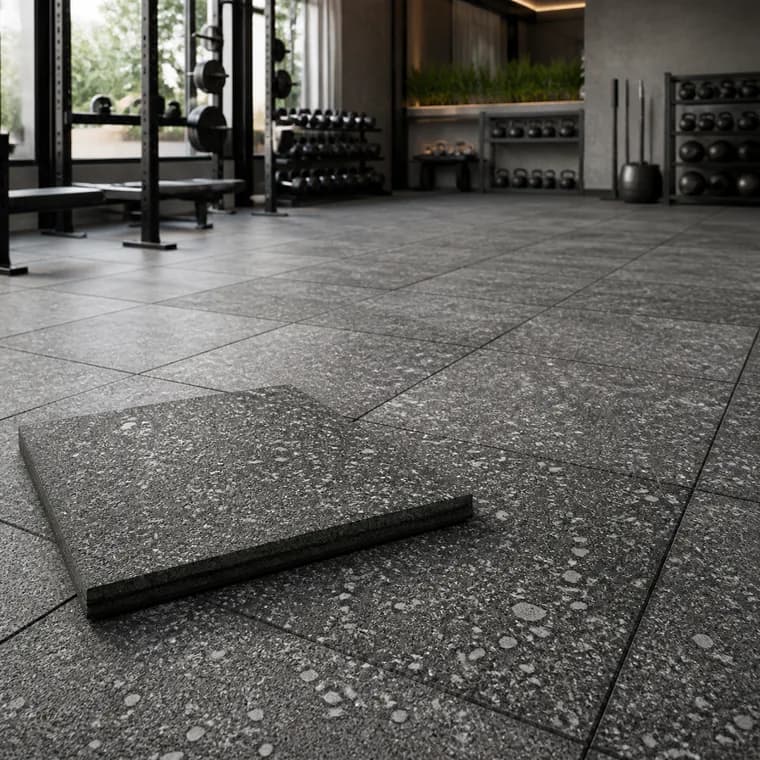
Resilient isolation layer beneath rubber, tile or project-specified finish flooring.
Gym acoustic underlay is one layer in a complete vibration-control build-up. PowerBaseFit helps project teams evaluate source activity, equipment, structural floor, finish layer and installation details before selecting the underlay construction.
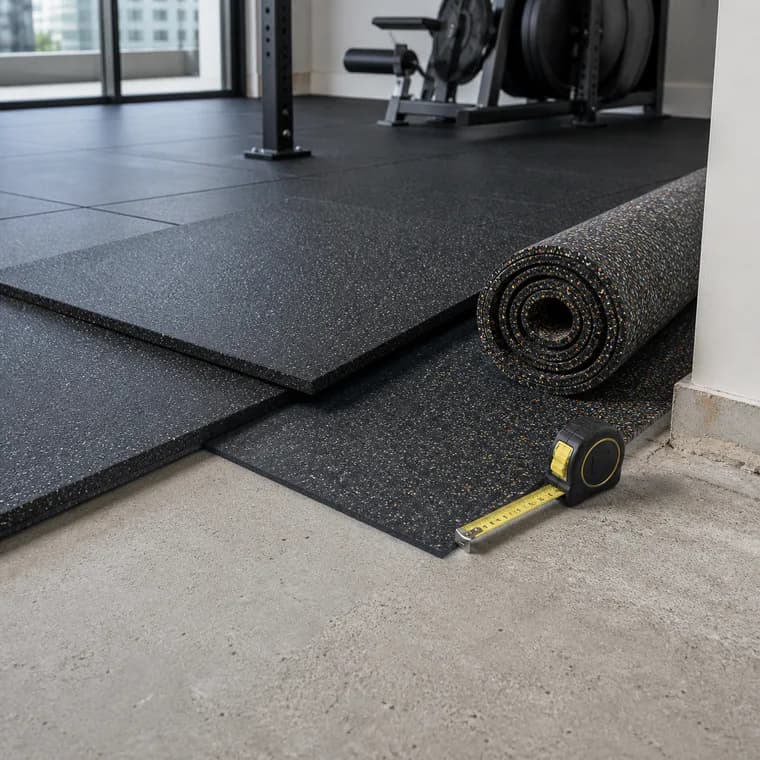
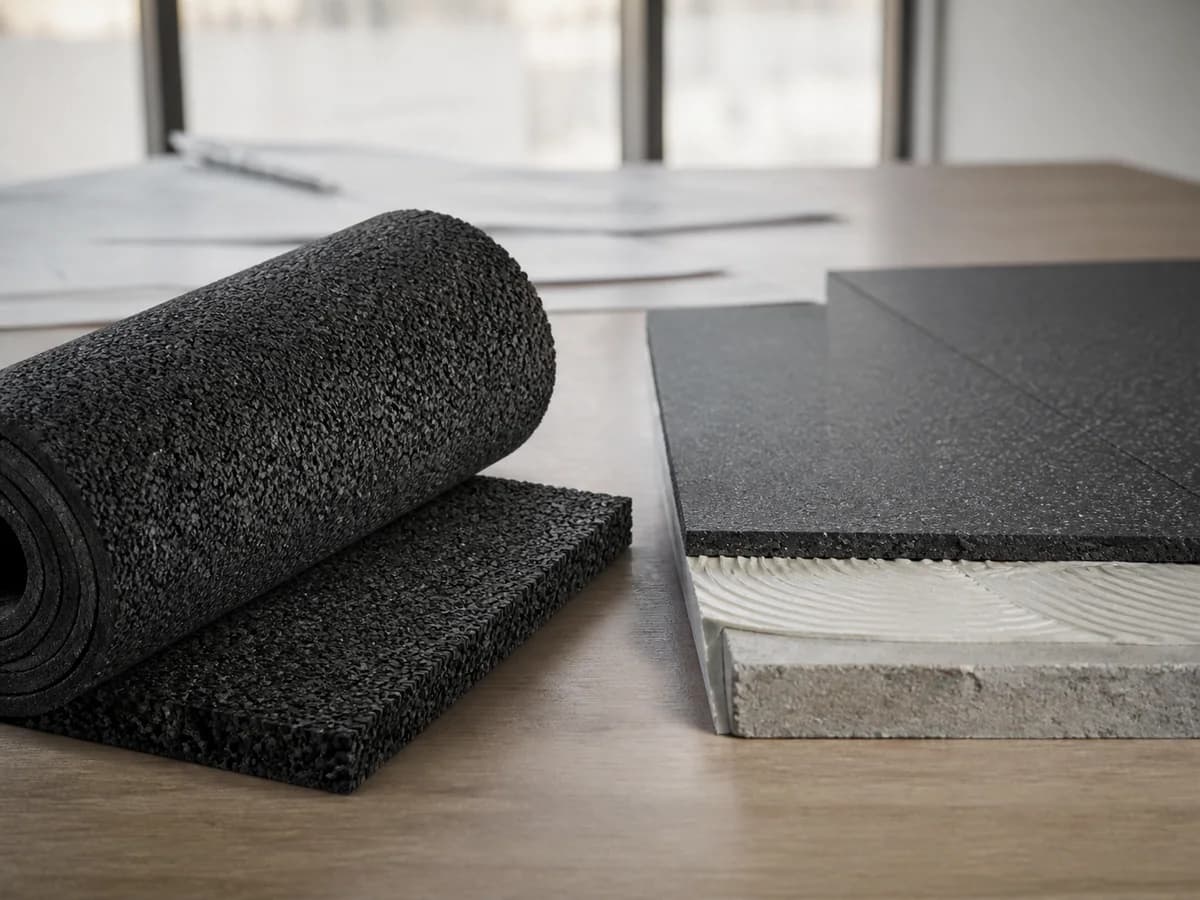
Acoustic underlay is a resilient layer installed beneath the visible gym floor to help manage structure-borne impact sound and vibration. It does not work in isolation; the building slab, finish floor, equipment and perimeter details all affect results.
Architects, gym developers, acoustic consultants and contractors purchase underlay as part of an engineered upper-floor flooring assembly.
Acoustic Underlay buyers can compare the variables that affect application fit, installation, landed cost and repeat purchasing before requesting a production quotation.
Resilient isolation layer beneath rubber, tile or project-specified finish flooring.
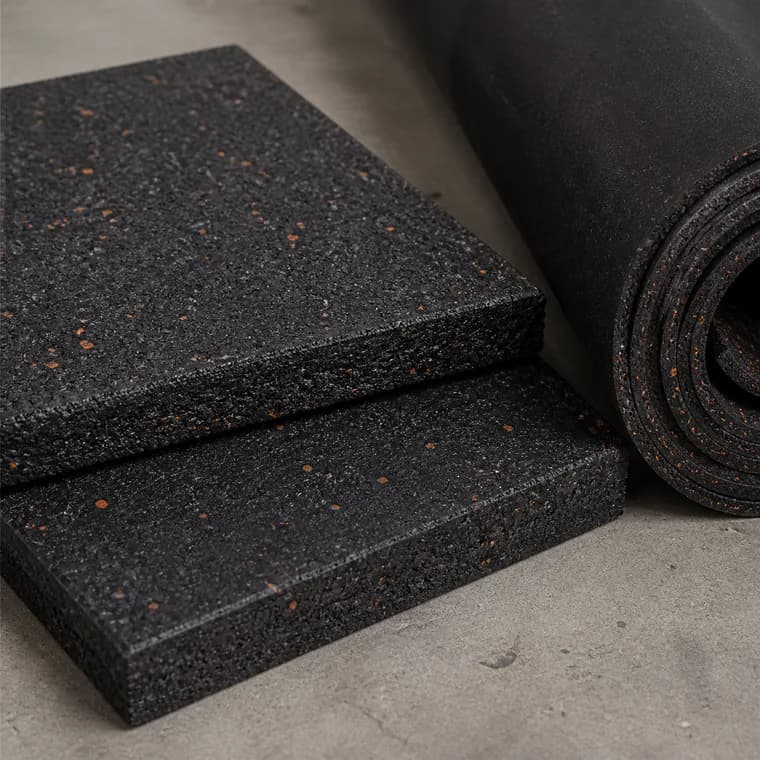
Rubber-based or layered underlay approaches matched to load and floor build-up.
Selected through project load, height and acoustic design considerations.
Loose-laid or bonded methods with controlled seams and perimeter details.
Build-up and applicable technical information supplied according to project scope.
Use this guidance to prepare a clear acoustic underlay request. Final specifications are agreed against the application, sample and commercial order.
| Specification | Available options / guidance |
|---|---|
| Material | Resilient rubber-based or project-selected acoustic layer |
| Thickness | Matched to equipment load, floor height and system design |
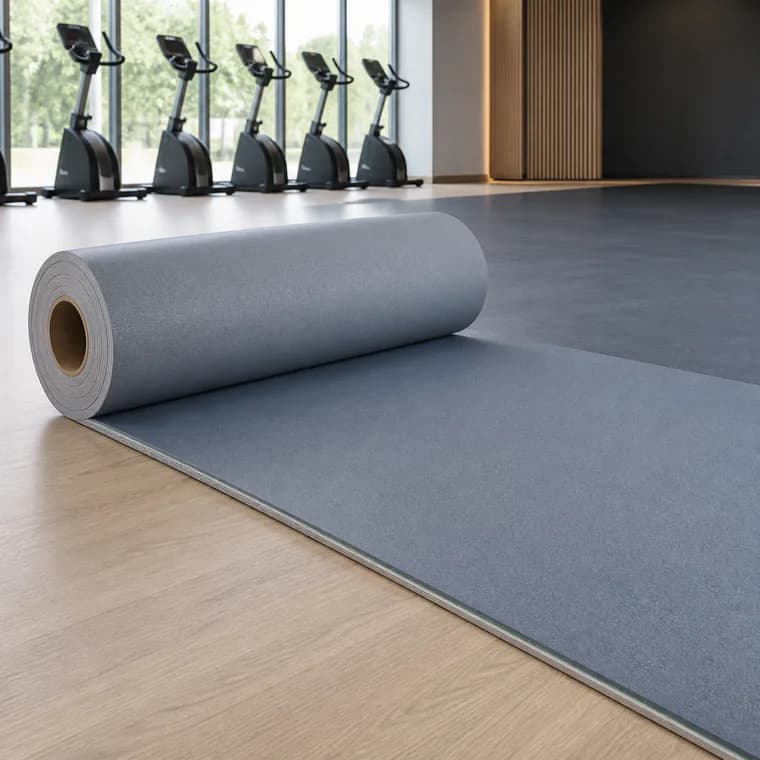
| Format | Roll or panel format according to build-up |
| Finish compatibility | Reviewed with the selected gym flooring layer |
| Installation | Project-specific seam, perimeter and bonding details |
| Performance | Dependent on the complete tested or engineered floor assembly |
Application conditions determine whether acoustic underlay is a strong fit. Use the application path to compare equipment, traffic, subfloor and operating needs.
Evaluate acoustic underlay as a complete project specification rather than a standalone sample.
Response depends on source load, underlay resilience and the complete surface build-up.
The underlay must support equipment without unacceptable long-term compression.
Finish layer stiffness, seams and perimeter detailing affect floor behavior.
Flanking paths, walls, columns and penetrations can transmit vibration around the floor.
A practical selection sequence for distributors, contractors and project buyers.
Separate footfall, machine vibration, plates and dropped weights.
Obtain slab, room adjacency and floor-height information.
Underlay and visible flooring must work as one load-bearing build-up.
Include static, rolling and impact loads in the selection.
Complex upper-floor projects may require acoustic or structural engineering input.
Resolve these acoustic underlay points before sample approval to reduce specification changes, installation risk and avoidable freight cost.
Walls, structure, equipment and flanking paths also influence transmission.
An unsuitable layer can deform beneath heavy machines or racks.
Rigid connections can bypass the resilient layer.
Results are meaningful only with the tested build-up and relevant site conditions.
The underlay and top layer must be specified together.
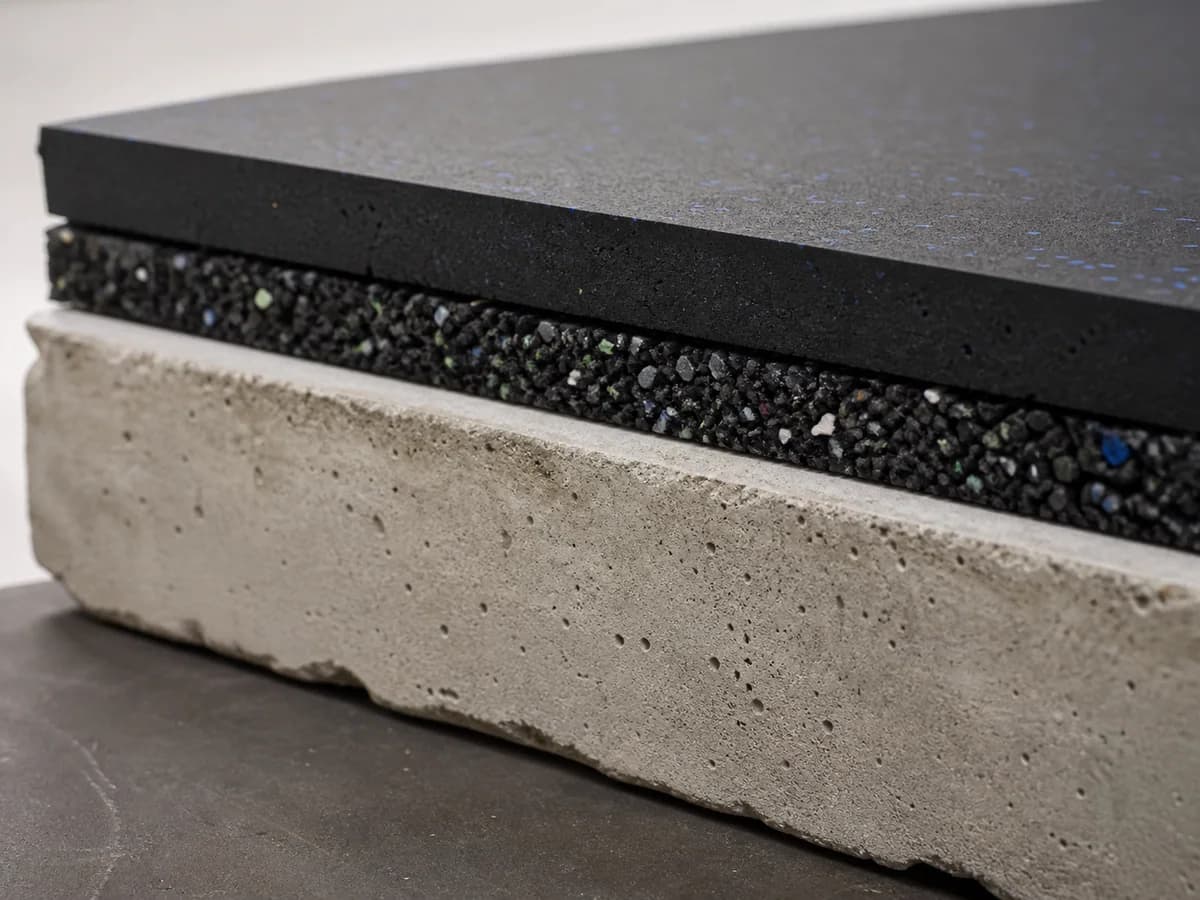
Build a repeatable acoustic underlay program around the buyer, channel, project conditions and approved production sample.
Construction can be discussed around finish floor, load and floor-height constraints.
Roll or panel planning can follow room geometry and installation sequence.
Pallet and roll plans can be coordinated for site handling.
Applicable submittal and technical information can support contractor review.
Request a acoustic underlay sample to review the surface, structure, color direction and application fit with your purchasing team.
Request Free SamplesSend quantity, destination, customization and timeline details for a quotation based on the selected acoustic underlay program.
Get Factory QuoteTechnical behavior varies with the selected acoustic underlay construction, installation and operating conditions.
Results vary with underlay, finish floor, slab, room, equipment and installation conditions.
Source frequency and load path must be considered; one product does not solve every vibration issue.
Resilience must be balanced with support for static equipment and rolling loads.
These properties depend on the selected construction and applicable destination standards.
The underlay is protected by the finish floor; inspect the full system if movement, moisture or damage occurs.
Technical documentation is available upon request for applicable acoustic underlay products and projects.
Direct answers to specification, installation, customization and ordering questions.
It is a resilient layer beneath the finish floor that helps manage structure-borne impact sound and vibration as part of a complete floor system.
No single floor layer can guarantee complete soundproofing. Structure, walls, equipment, flanking paths and operating practices also matter.
Review source loads, slab, finish floor, available height, equipment and target conditions with the project team.
It can contribute, but results depend on impact energy, build-up, structural floor and installation. Heavy-impact zones may need additional isolation measures.
Only when the chosen build-up provides adequate load support and compression behavior for the equipment.
The method depends on format and system design, with careful seam, perimeter and penetration details to avoid rigid bridges.
Applicable specification, construction, installation, packing and project submittal information can be supplied on request.
Yes. Share the finish flooring, equipment, room level and project concern so the underlay sample can be considered in context.
Compare adjacent product families before approving the final application build-up.
Share your acoustic underlay application, quantity, destination and customization needs. PowerBaseFit will review the product route before samples or pricing are prepared.