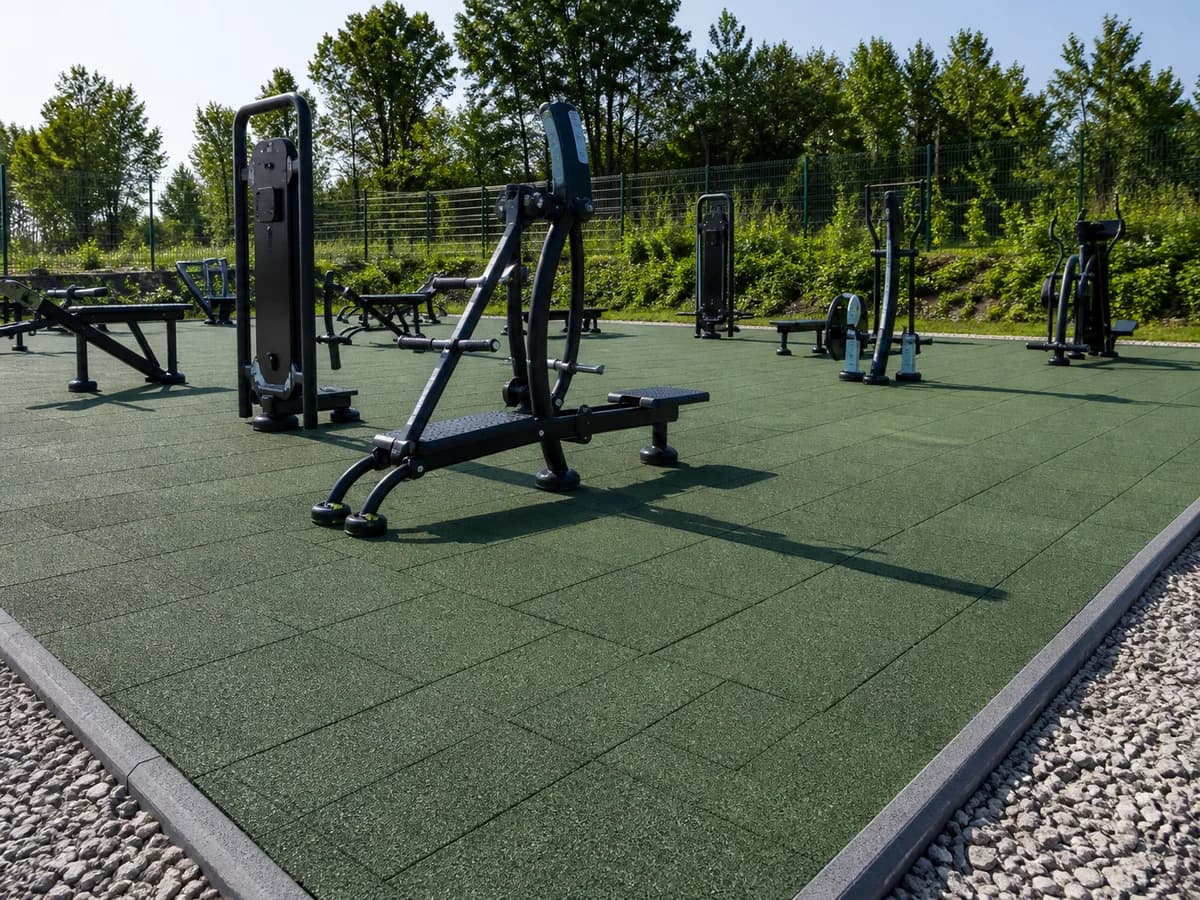
Top surface
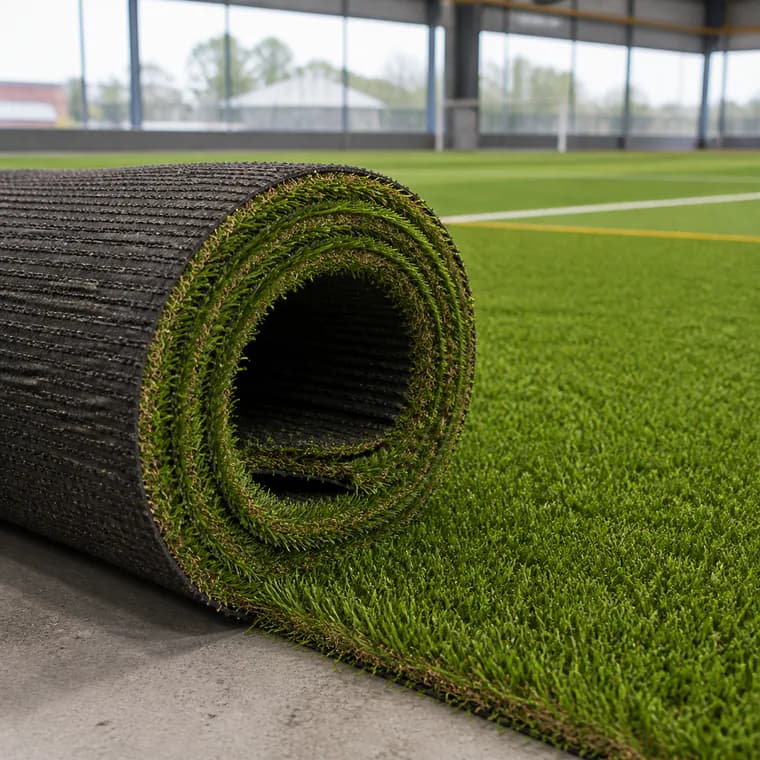
Synthetic turf face selected around appearance, wear and maintenance.
Rubber artificial grass tiles combine a synthetic turf face with a resilient modular base for selected outdoor fitness and recreation projects. Specification must account for drainage, edge security, equipment loads and local exposure.
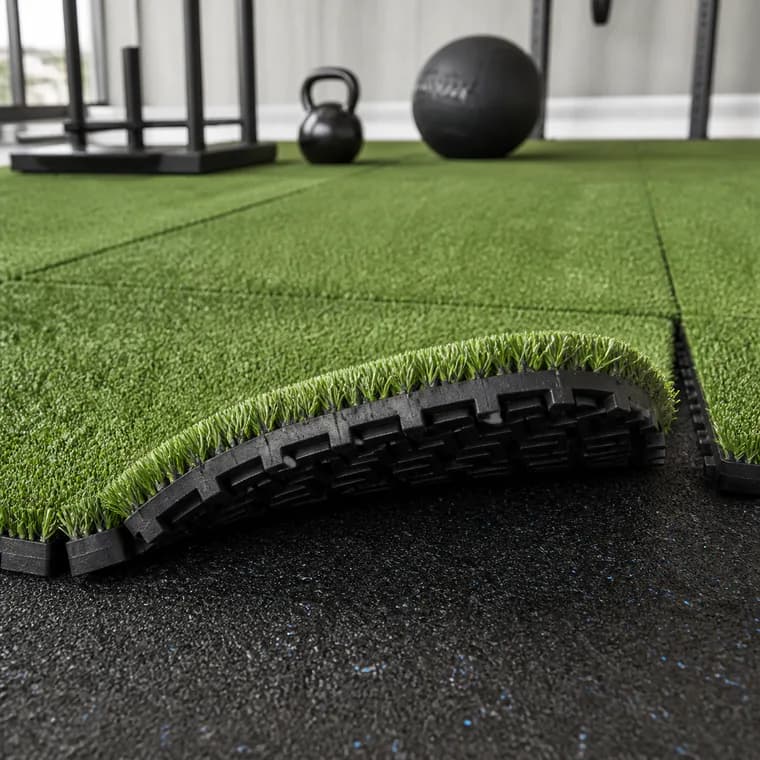
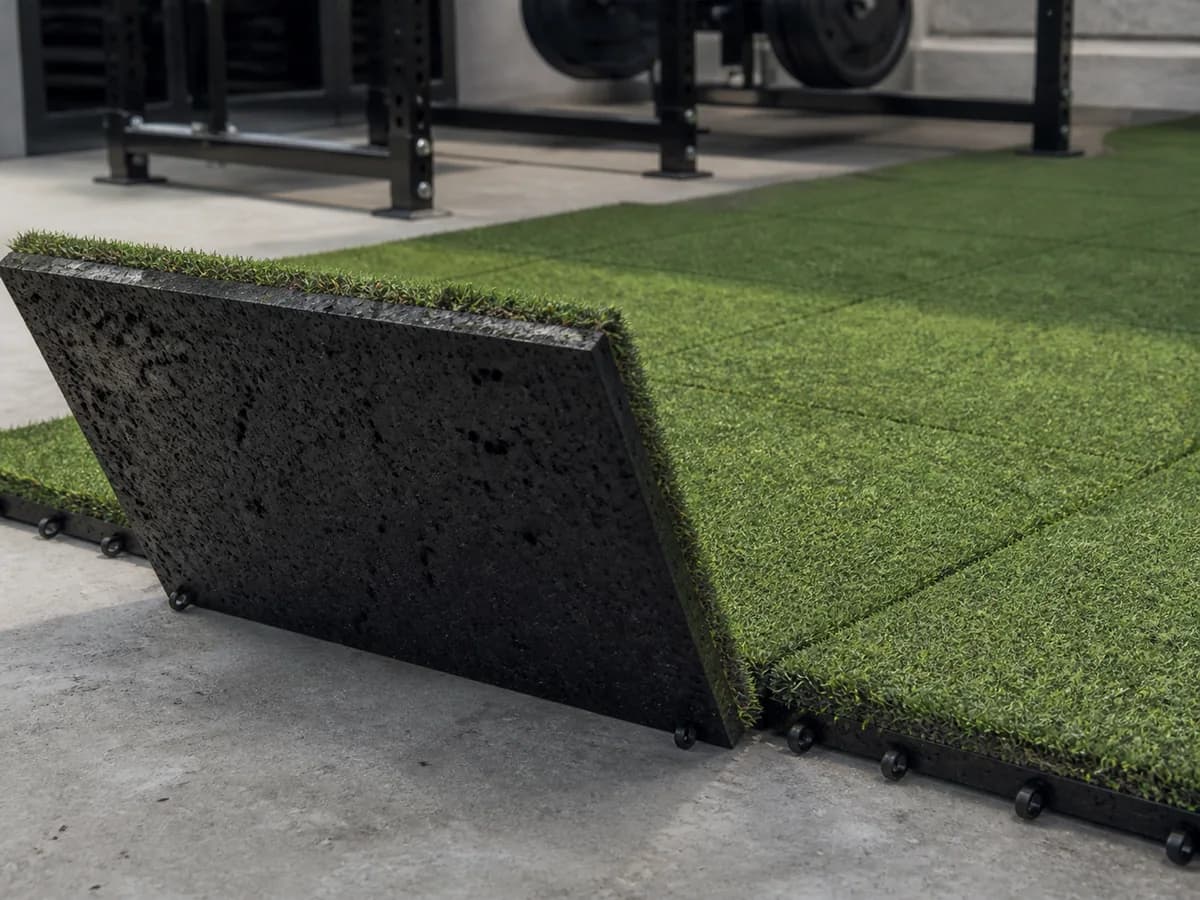
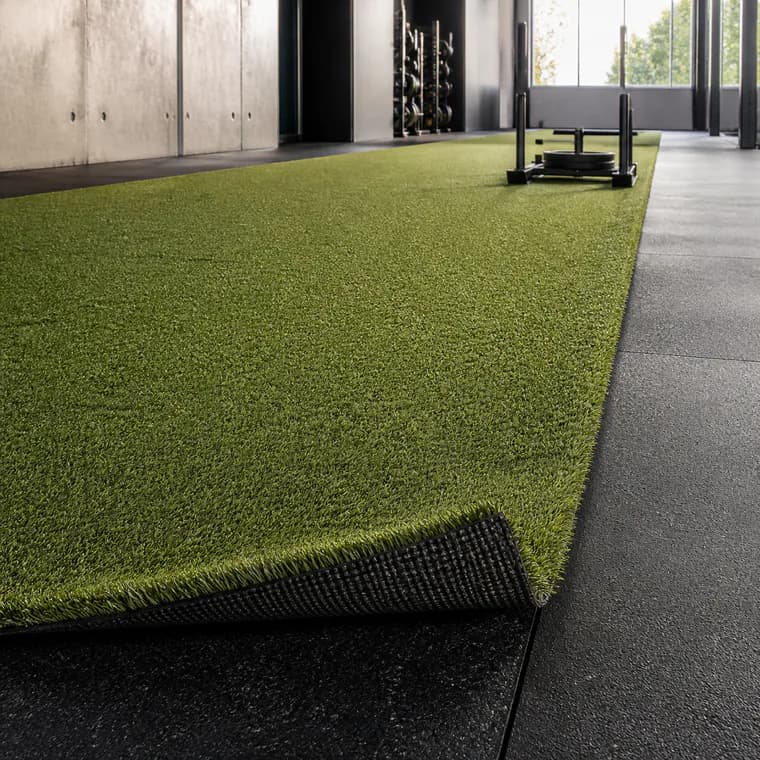
A rubber artificial grass tile is a modular flooring unit that combines a turf-style wear surface with a resilient rubber base or tile structure. It provides the visual character of turf with a thicker, replaceable tile format.
Outdoor gym developers, leisure contractors and distributors purchase the system where modular installation, cushioning and green appearance are project priorities.
Rubber Artificial Grass Tile buyers can compare the variables that affect application fit, installation, landed cost and repeat purchasing before requesting a production quotation.
Synthetic turf face selected around appearance, wear and maintenance.
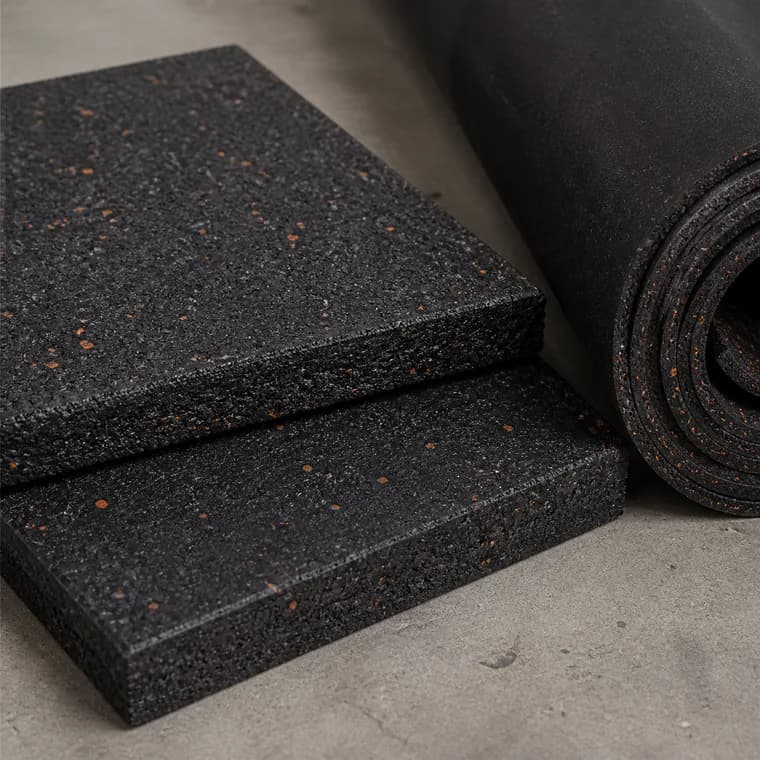
Resilient rubber construction matched to impact, drainage and module stability.
Straight or project-compatible modular edges and perimeter details.
Green turf directions and applicable visual combinations through sampling.
Tile grid, equipment anchors, drainage paths and transitions coordinated together.
Use this guidance to prepare a clear rubber artificial grass tile request. Final specifications are agreed against the application, sample and commercial order.
| Specification | Available options / guidance |
|---|---|
| Construction | Synthetic turf face with resilient rubber tile base |
| Thickness | Selected according to equipment zone, impact and floor build-up |
| Format | Modular tile dimensions planned to layout |
| Drainage | Dependent on tile structure, base, slope and complete site design |
| Environment | Outdoor or covered use according to selected construction |
| Customization | Turf visual, tile format, packaging and project options where applicable |
Application conditions determine whether rubber artificial grass tile is a strong fit. Use the application path to compare equipment, traffic, subfloor and operating needs.
Evaluate rubber artificial grass tile as a complete project specification rather than a standalone sample.
Rubber base construction should match activity and equipment impact expectations.
The complete tile, substrate, slope and outlet system determines water movement.
Perimeter restraint and a stable base keep modules aligned.
Exposure, traffic, turf construction and maintenance affect long-term appearance.
A practical selection sequence for distributors, contractors and project buyers.
Confirm sunlight, rainfall, temperature range and covered conditions.
Coordinate flooring around posts, bolts, fall zones and maintenance access.
Resolve slope, base permeability and discharge before selecting the tile.
Use secure edge and transition details to control movement.
Evaluate turf, bond, base, edge fit and surface feel together.
Resolve these rubber artificial grass tile points before sample approval to reduce specification changes, installation risk and avoidable freight cost.
Site slope and base design remain essential.
Poor detailing can weaken edges and create maintenance problems.
Modular outdoor surfaces need stable borders.
Base construction and bond quality are equally important.
Climate and sunlight should be included in product selection.
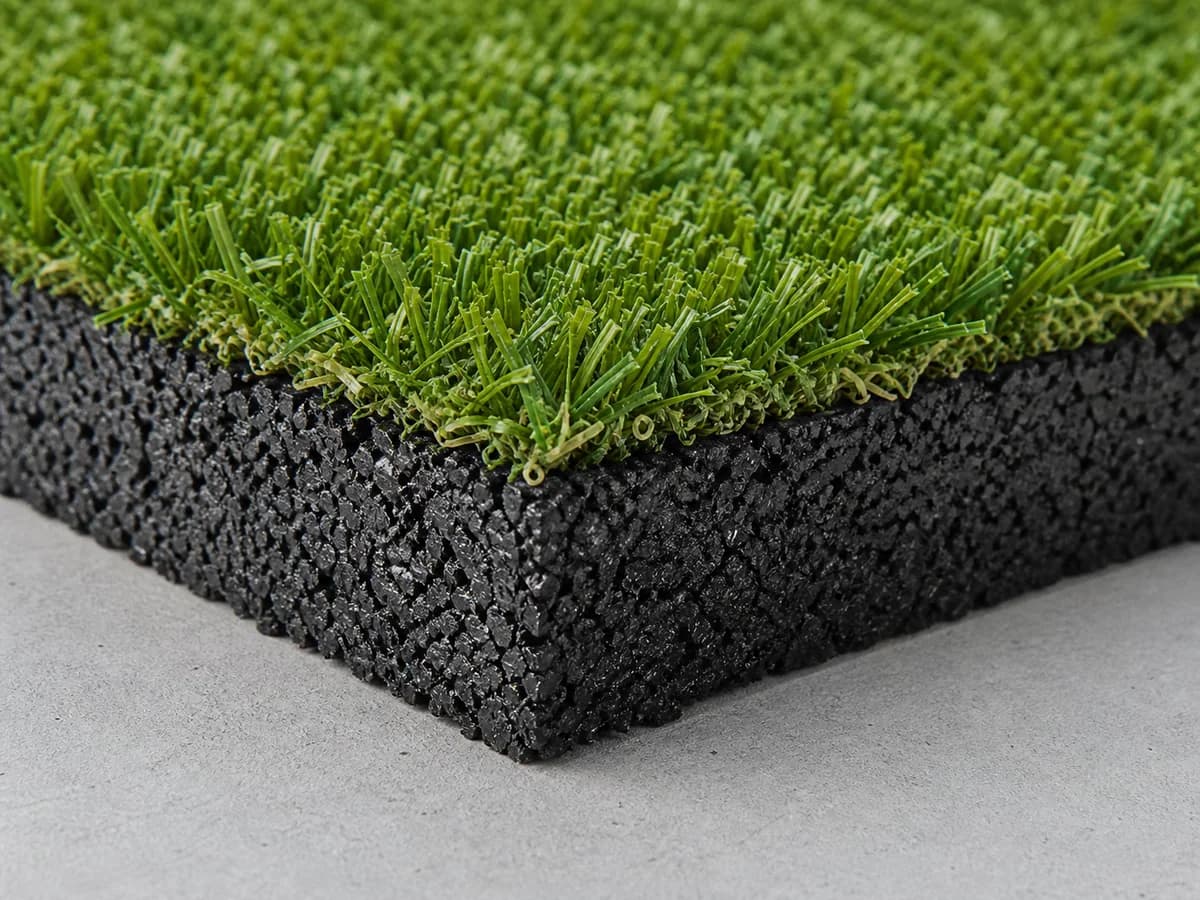
Build a repeatable rubber artificial grass tile program around the buyer, channel, project conditions and approved production sample.
Fiber color and appearance can be reviewed for project direction.
Module and thickness programs can be aligned with layout and handling.
The resilient layer can be discussed around intended equipment and impact.
Pallet plans, labels and private-label marks can support distribution.
Request a rubber artificial grass tile sample to review the surface, structure, color direction and application fit with your purchasing team.
Request Free SamplesSend quantity, destination, customization and timeline details for a quotation based on the selected rubber artificial grass tile program.
Get Factory QuoteTechnical behavior varies with the selected rubber artificial grass tile construction, installation and operating conditions.
Materials can suit outdoor use when drainage, seams and base conditions are correctly designed.
Suitability depends on the selected turf and rubber construction and the project climate.
Protection varies with base structure, thickness, substrate and equipment zone.
Remove debris, keep drainage clear and inspect turf bond, tile joints and edges.
Technical documentation is available upon request for applicable rubber artificial grass tile products and projects.
Direct answers to specification, installation, customization and ordering questions.
It is a modular unit combining a synthetic turf face with a resilient rubber base for selected outdoor fitness and recreation areas.
They can suit outdoor gyms, leisure spaces and covered functional zones when the full site and equipment specification supports them.
Consider activity, equipment, impact, floor height, drainage and the supporting base rather than thickness alone.
Tile construction may support water movement, but slope, base permeability and outlets must form a complete drainage design.
They require a stable prepared base, planned grid, secured perimeter and correctly detailed equipment penetrations and transitions.
A modular layout can support localized replacement when surrounding tiles, edges and installation remain compatible.
Applicable projects can review turf visual direction, module format, base construction and packing through samples.
Yes. A complete sample helps assess the turf face, bond, base, edge detail and overall handling.
Compare adjacent product families before approving the final application build-up.
Share your rubber artificial grass tile application, quantity, destination and customization needs. PowerBaseFit will review the product route before samples or pricing are prepared.