01
Commercial Gym Flooring
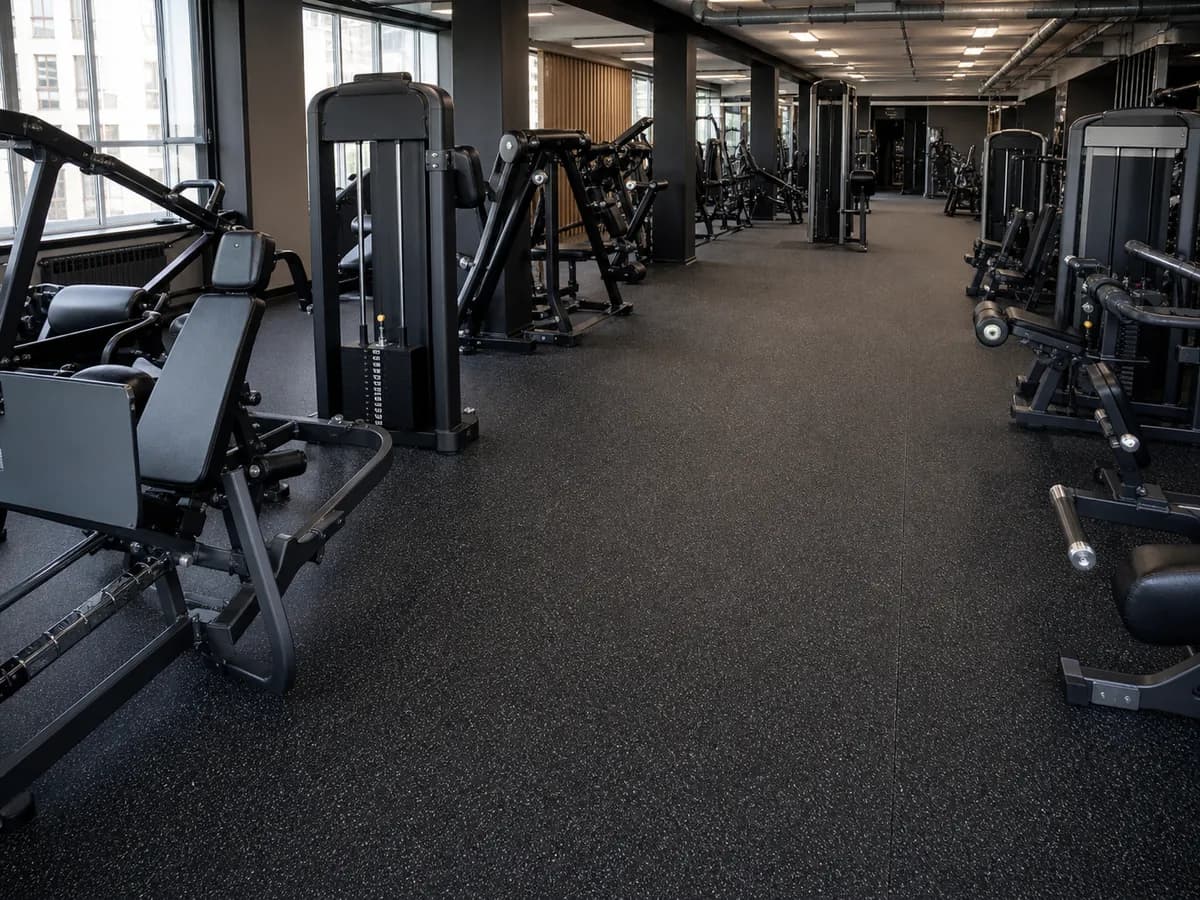
Coordinate strength, cardio and circulation zones with flooring selected for daily traffic, equipment loads and practical maintenance.
Recommended: Rubber rolls and rubber tiles
Explore flooring solution →PowerBaseFit provides professional rubber flooring systems for commercial gyms, fitness centers, weight rooms, sports facilities and custom projects worldwide.
Start with how each room is used. Then match impact protection, traction, acoustic control, maintenance and visual finish to the flooring system.
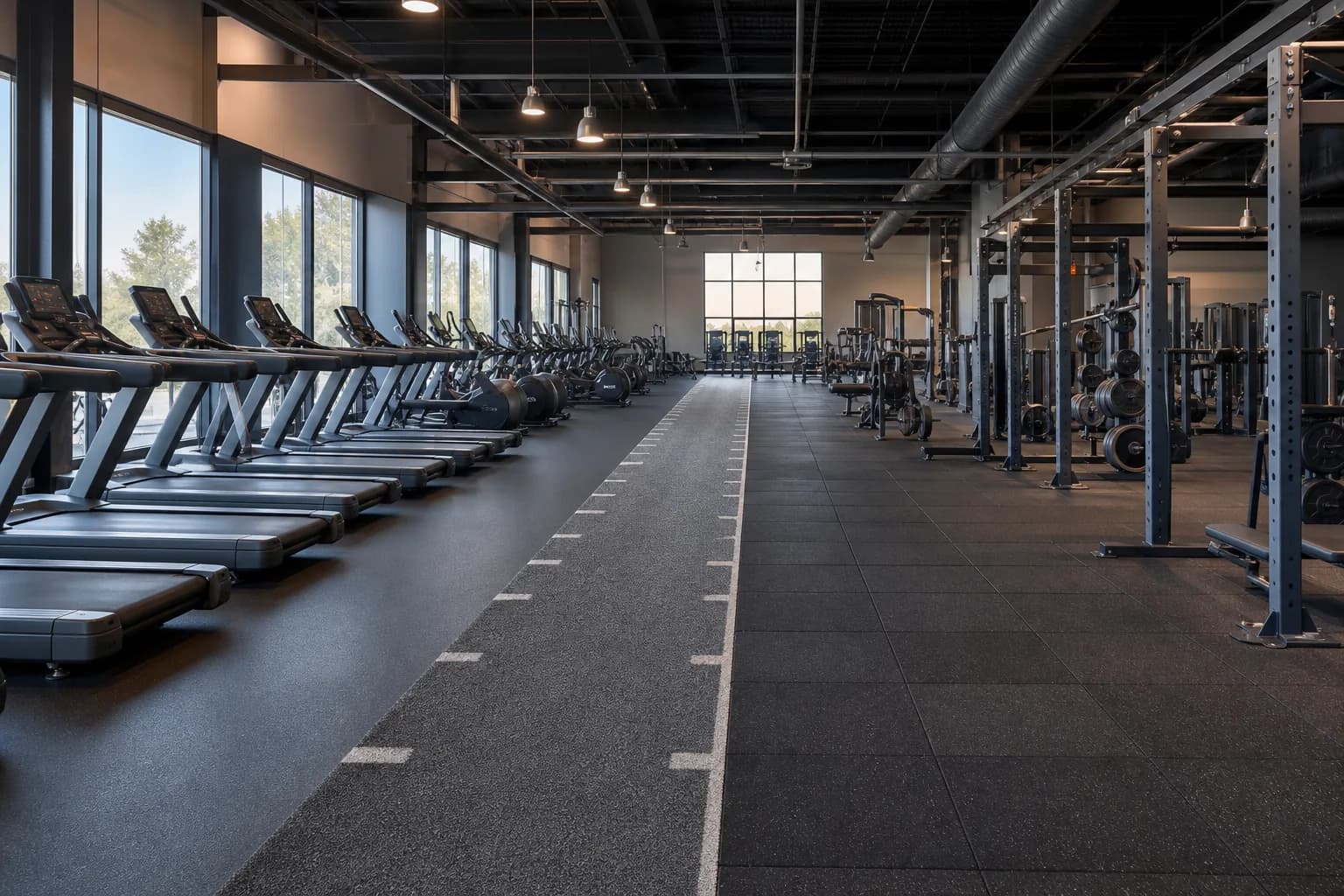
Coordinate strength, cardio and circulation zones with flooring selected for daily traffic, equipment loads and practical maintenance.
Recommended: Rubber rolls and rubber tiles
Explore flooring solution →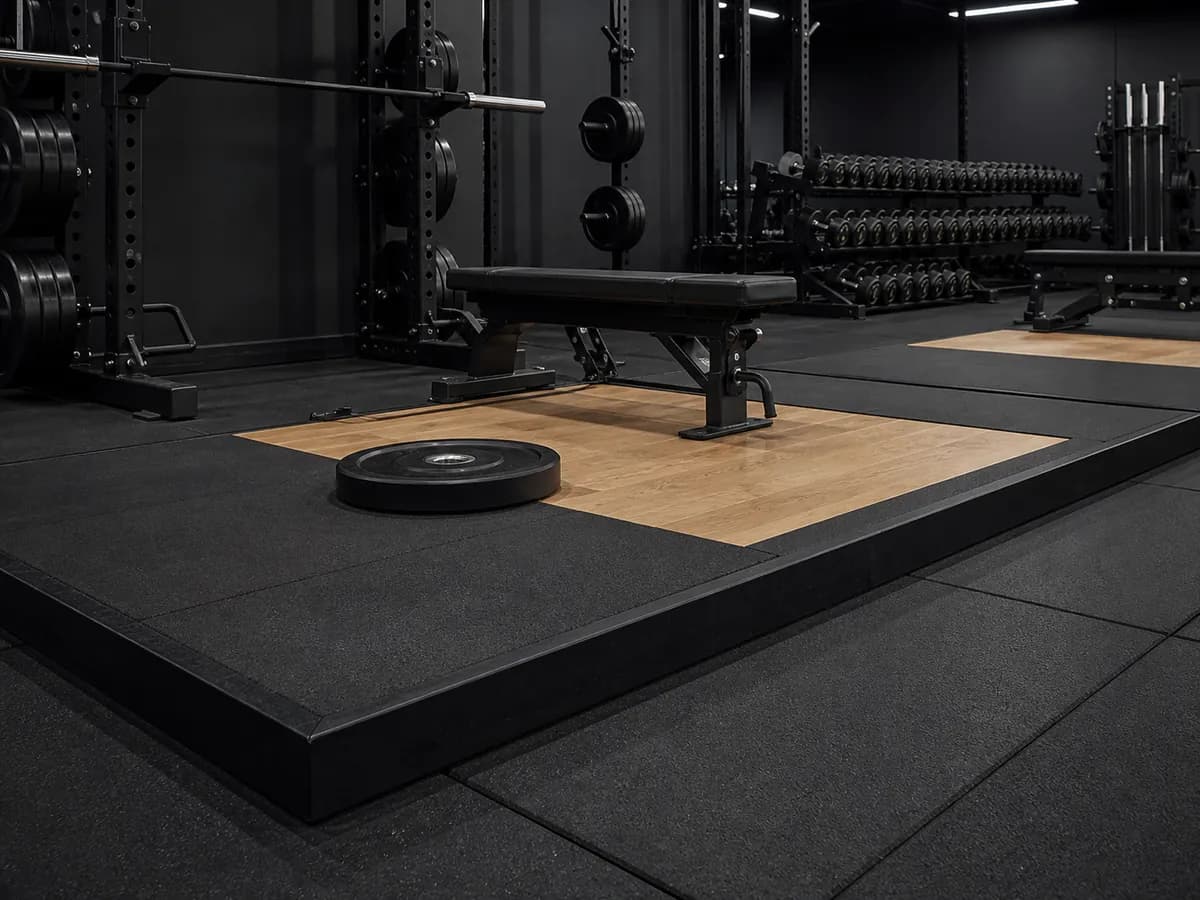
Protect the subfloor, manage impact and reduce structure-borne noise beneath racks, benches, dumbbells and lifting platforms.
Recommended: Heavy-duty rubber tiles and gym mats
Explore flooring solution →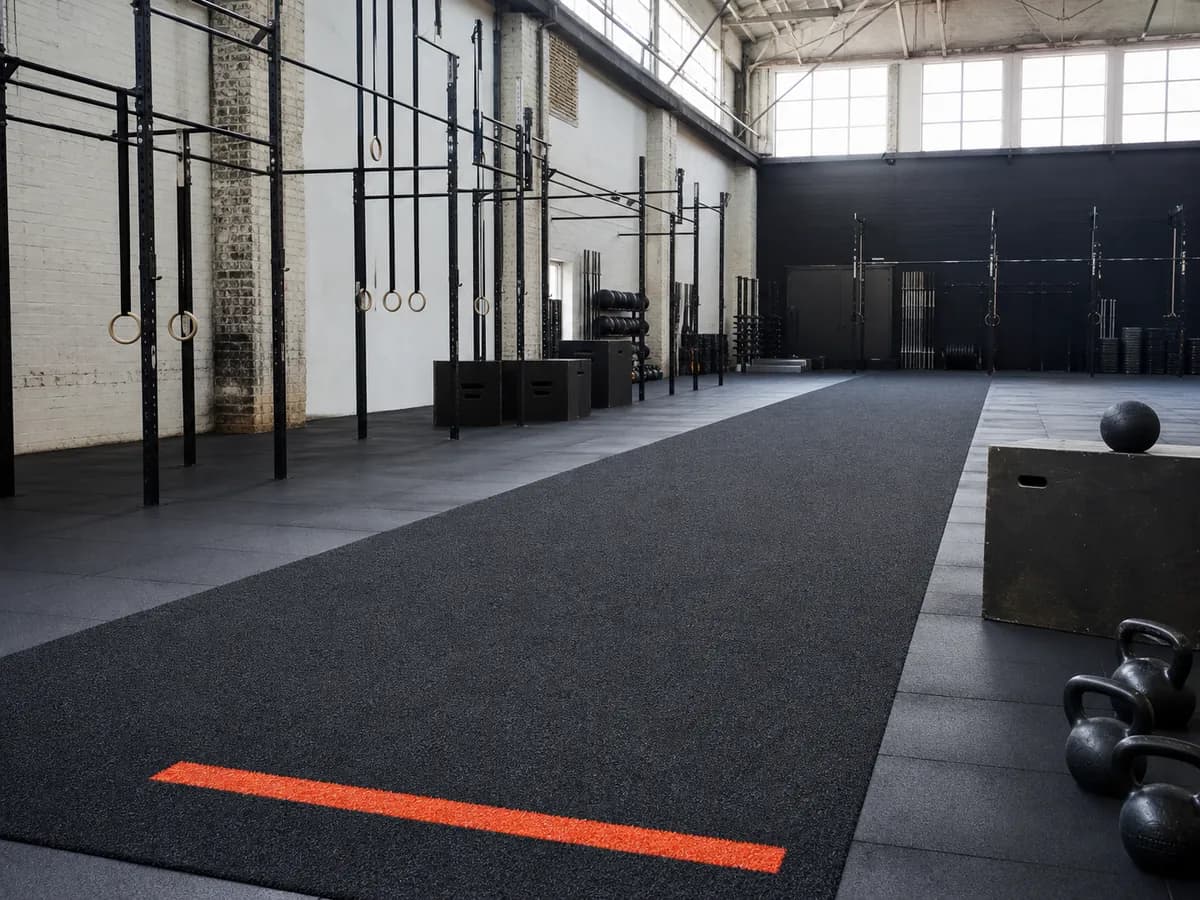
Combine impact-resistant rubber with a purpose-built turf lane for HIIT, sled work, functional training and dynamic movement.
Recommended: Rubber tiles and gym turf
Explore flooring solution →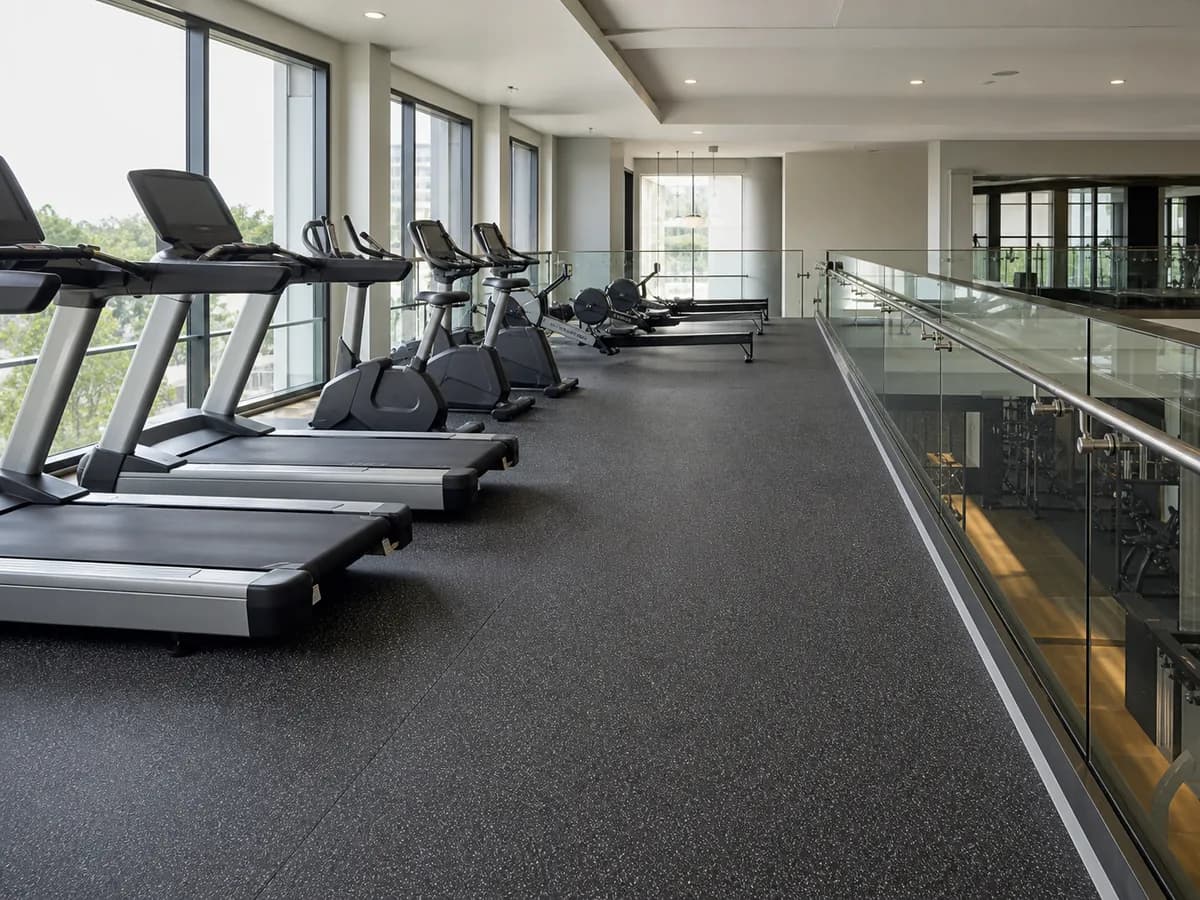
Create a stable, easy-clean surface for treadmills, bikes, rowers and high-traffic cardio circulation routes.
Recommended: Rubber rolls or commercial PVC flooring
Explore flooring solution →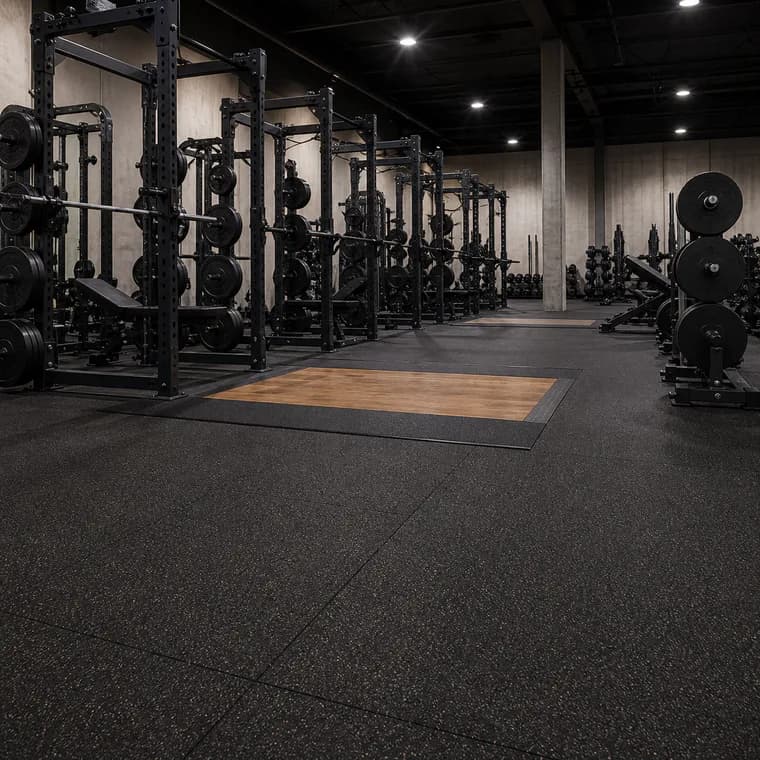
Control rack loads, platform impact and repeated heavy training with source-zoned rubber flooring systems.
Recommended: Dense rubber tiles and platform zones
Explore flooring solution →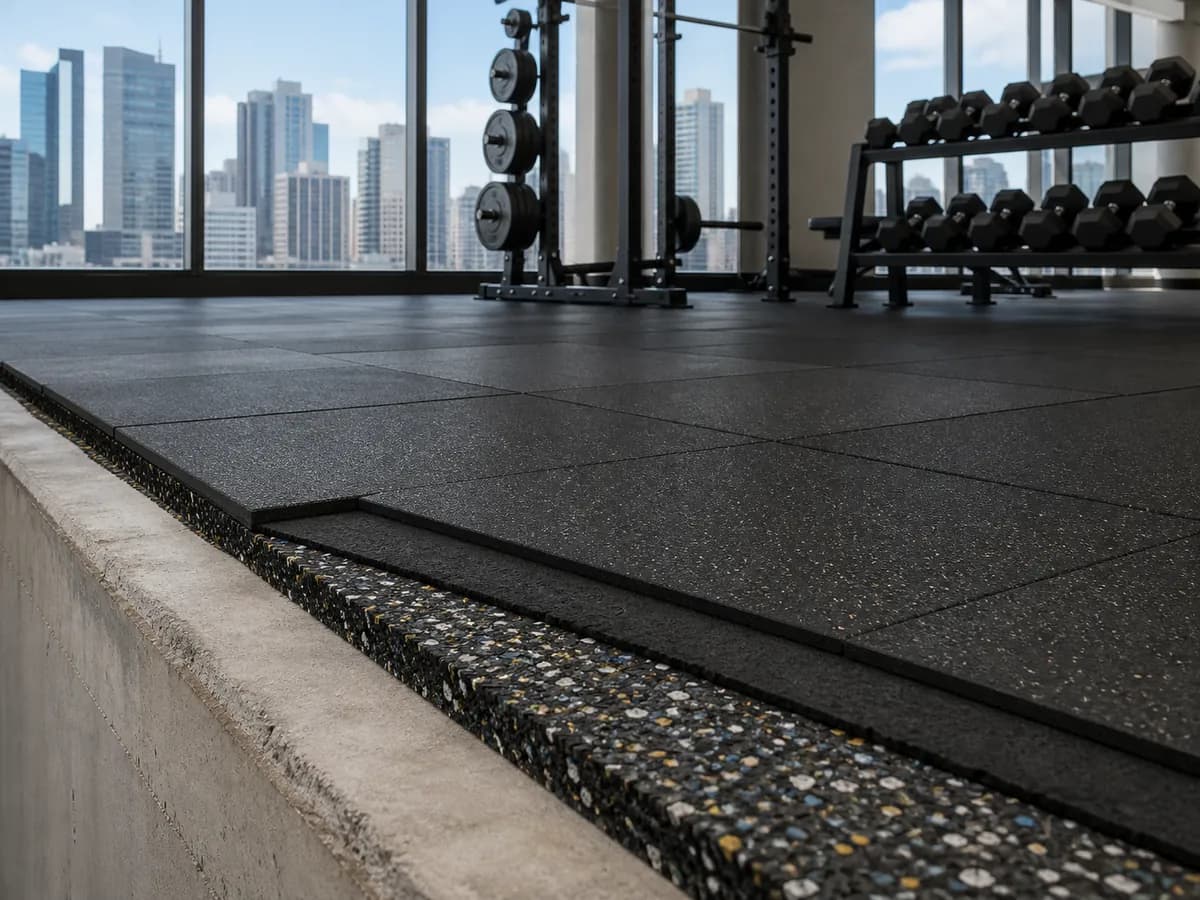
Review the finish, resilient underlay, source zones and building structure as one coordinated acoustic system.
Recommended: Rubber surface with acoustic underlay
Explore flooring solution →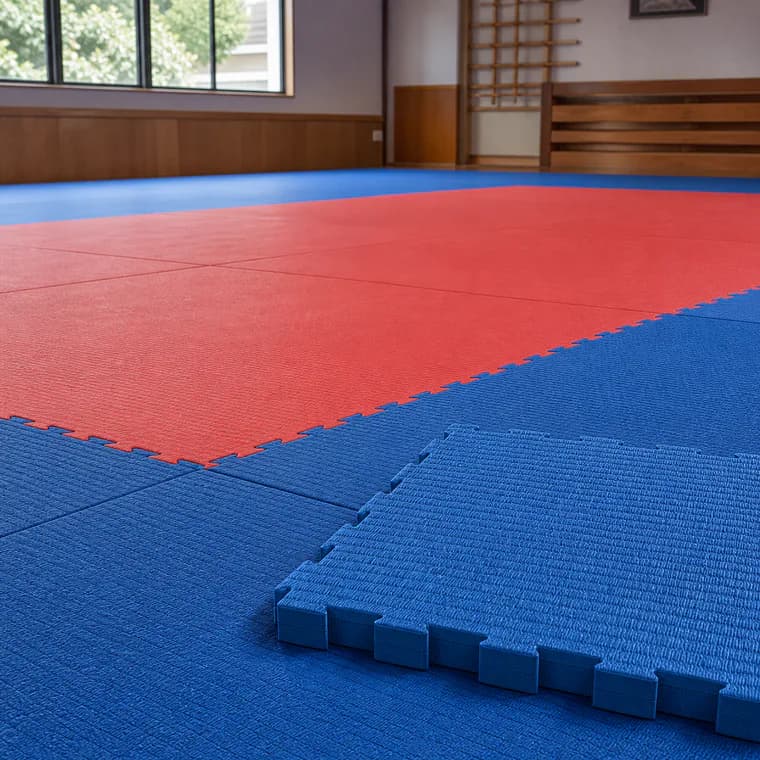
Match tatami texture, firmness, restraint and cleaning to judo, BJJ, MMA or studio training.
Recommended: Judo tatami or approved EVA mats
Explore flooring solution →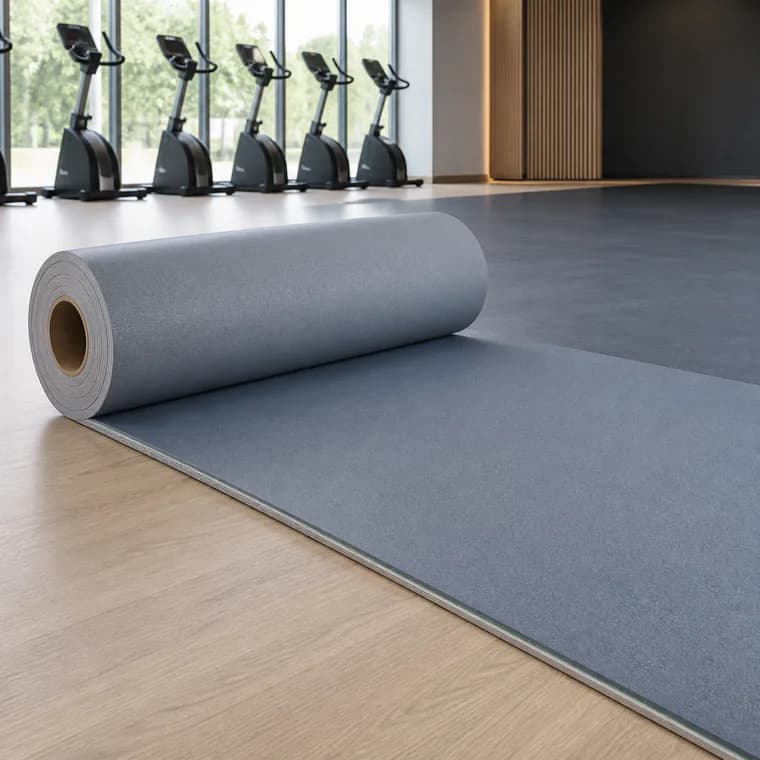
Balance tactile comfort, reformer stability, premium appearance and frequent studio hygiene.
Recommended: Commercial PVC or sports roll mat
Explore flooring solution →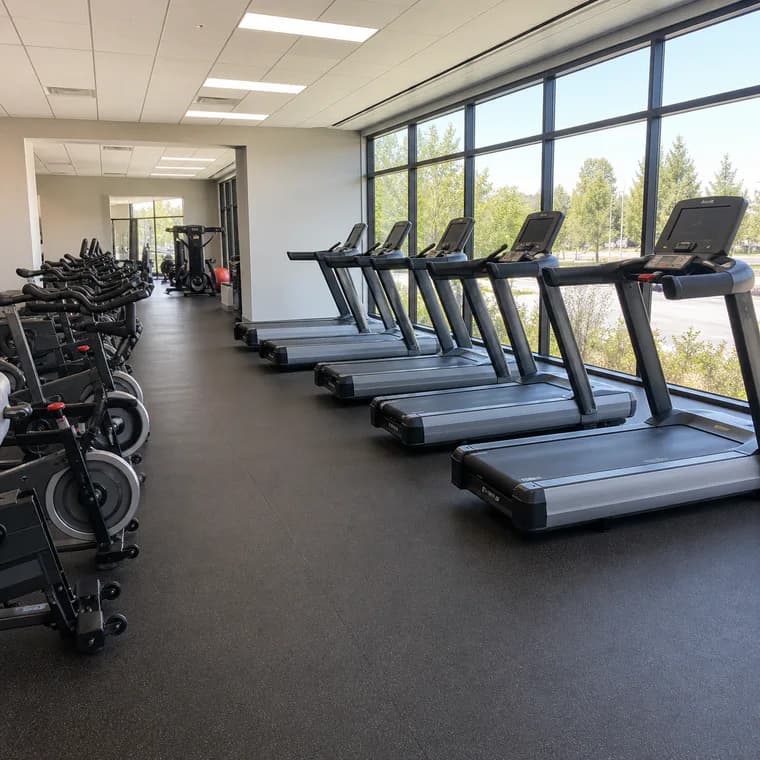
Support dense bike rows, sweat cleaning and repetitive movement with a stable low-seam surface.
Recommended: Rubber rolls or commercial PVC
Explore flooring solution →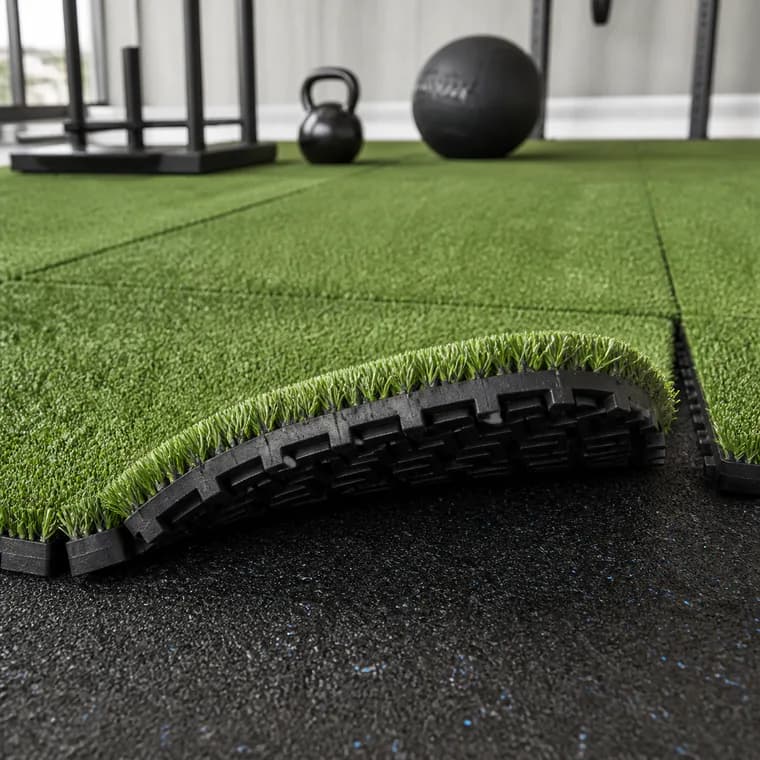
Coordinate drainage, climate, anchors and perimeter restraint for outdoor fitness installations.
Recommended: Outdoor rubber or turf-faced tiles
Explore flooring solution →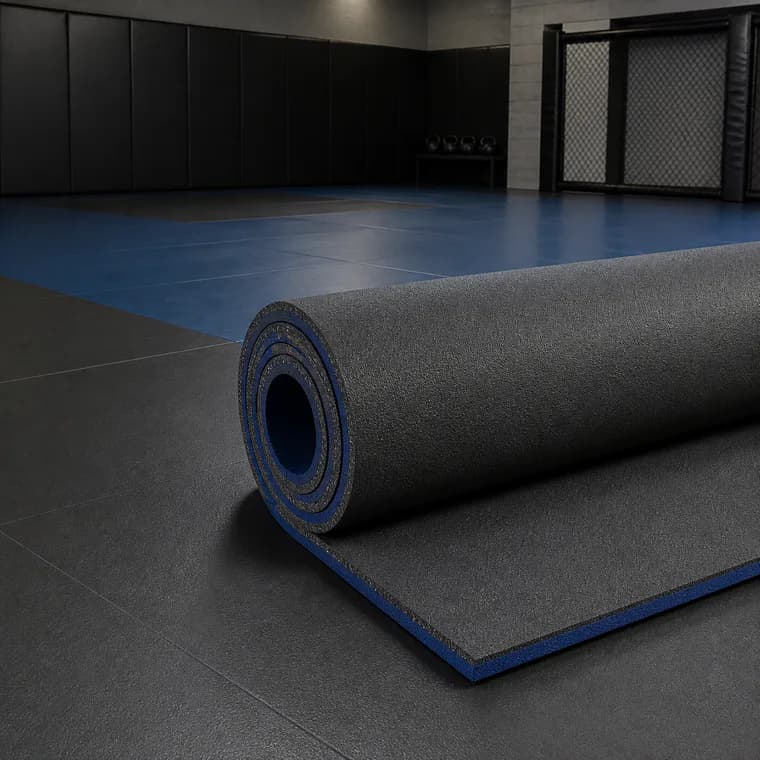
Plan multipurpose resilient surfaces around student activities, equipment, maintenance and project standards.
Recommended: Sports roll, PVC and zoned rubber
Explore flooring solution →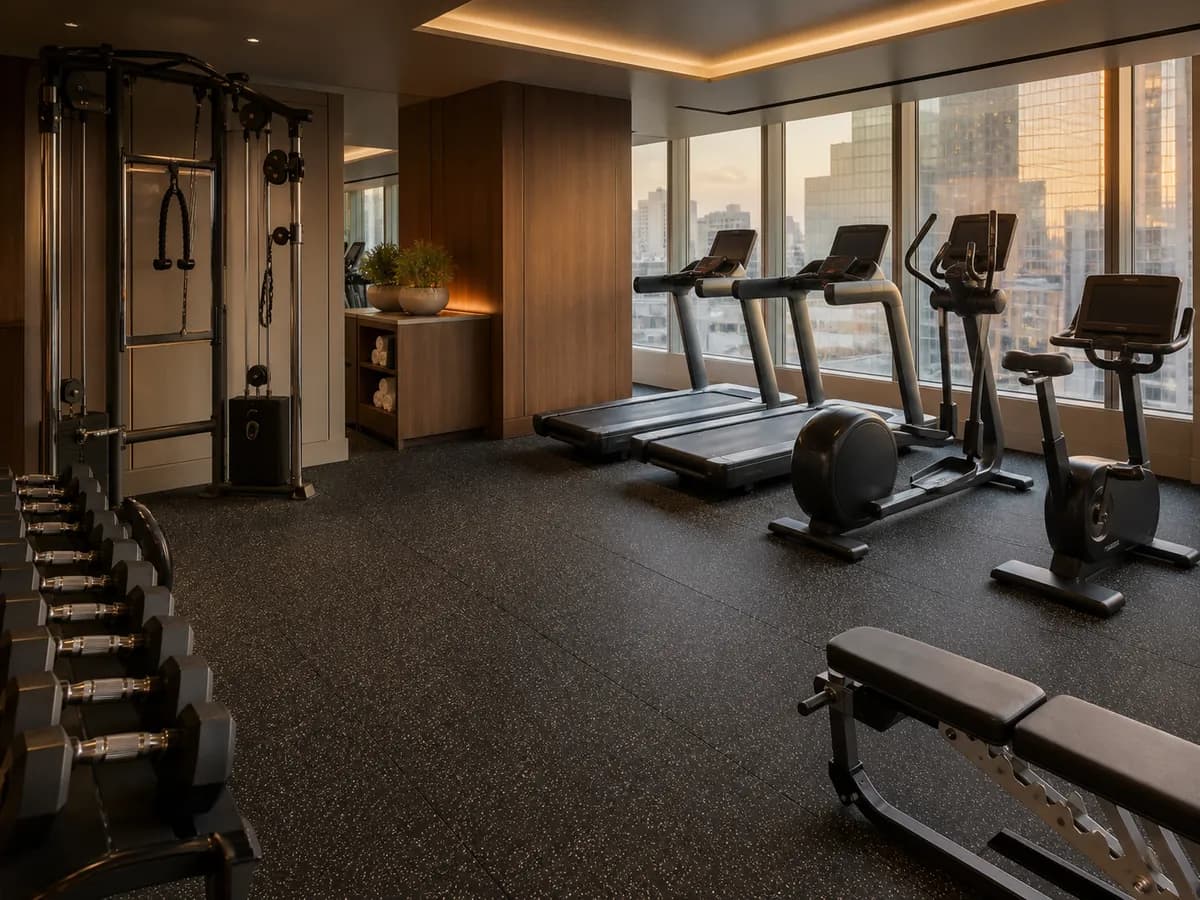
Prioritize guest comfort, quiet operation, compact equipment layouts and a refined easy-clean finish.
Recommended: Precision rubber tiles or layered flooring
Explore flooring solution →The right answer depends on the room, not only the product. Review these five factors before comparing samples or requesting a quotation.
Define movement types, impact frequency and the busiest zones.
Record static loads, rolling equipment and expected weight drops.
Consider rooms below, adjoining spaces and building construction.
Check the subfloor, floor level, moisture and installation access.
Match surface texture and seams to the cleaning routine and operating hours.
| Application | Recommended Flooring | Key Consideration |
|---|---|---|
| Commercial gym | Rubber rolls plus impact tiles | Zone by equipment load, traffic and cleaning needs |
| Free weight / weight room | Heavy-duty rubber tiles or gym mats | Drop height, equipment weight and subfloor protection |
| CrossFit / functional training | Rubber tiles plus gym turf | Impact, sled friction and multi-directional movement |
| Cardio / fitness center | Rubber rolls or commercial PVC | Equipment stability, traffic and easy maintenance |
| Hotel gym | Precision rubber tile or rubber roll | Noise, appearance and cleaning |
| Upper-floor gym | Rubber surface plus acoustic underlay | Impact sound, vibration and structural conditions |
| Sports facility | Sport-specific resilient flooring or turf | Traction, ball response and multi-use demand |
Use a dense impact-control surface selected around load, drop height and subfloor condition.
Heavy-duty rubber tiles or gym mats
Combine resilient surface layers with a suitable thickness and installation method to manage impact noise.
Rubber tiles with acoustic underlay where required
Review the building structure and specify a multi-layer acoustic system instead of relying on surface thickness alone.
Acoustic underlay and rubber finish layer
Separate circulation, cardio and strength zones so each receives the right density and surface format.
Commercial rubber rolls or rubber tiles
Choose a stable, low-seam floor format and compatible surface texture for the planned cleaning routine.
Rubber rolls, precision tiles or PVC flooring
Use these starting points to narrow the options, then confirm the final build-up against your equipment and building conditions.
Zoned rubber rolls and impact tiles
Heavy-duty rubber tiles or gym mats
Rubber tile and gym turf combination
Quiet, easy-clean rubber tile or roll
Acoustic underlay with rubber finish
Sport-specific resilient floor or turf
A flooring project becomes easier when one manufacturing partner can help connect the room plan, product specification, sample and export order.
Direct communication supports specification review, sampling, production and packing coordination.
Plan product color, size, thickness, surface and private-label packaging around your market.
Combine materials and formats for different zones instead of forcing one product across the whole facility.
Material, dimensional, surface and packing checks are integrated into the production workflow.
Coordinate export packing, order documentation and shipping details with one manufacturing contact.
Cardio, circulation and mixed training zones
02Commercial strength and equipment areas
03Fast-fit modular commercial installations
04Targeted equipment and lifting protection
05High-impact weight rooms and platforms
Clear starting answers for project buyers comparing flooring systems, thickness and customization.
The best commercial gym flooring is usually a zoned system. Rubber rolls suit cardio, machines and circulation, while thicker rubber tiles or mats are better around free weights. The final specification should reflect equipment loads, traffic, subfloor and maintenance needs.
Weight rooms typically need dense, heavy-duty rubber tiles or gym mats that protect the slab and equipment from repeated impact. Required thickness depends on the maximum weight, expected drop height, platform design and building structure.
Gym flooring thickness should be selected by application rather than by one universal number. Cardio and machines may use a lower-profile surface, while free weights, lifting platforms and upper-floor projects normally need a thicker or multi-layer system after project review.
A dense rubber tile or mat is commonly used under heavy fitness equipment. Confirm the static load, base footprint, rolling loads and subfloor condition so the flooring resists indentation and distributes pressure appropriately.
Yes. PowerBaseFit can review requirements for color, EPDM flecks, size, thickness, surface texture, logo marking and packaging. Available options depend on product type, quantity and production feasibility.
PowerBaseFit supports OEM and private-label flooring programs for distributors, fitness brands and project suppliers, including specification, sample, packaging and production coordination.
Samples can be requested for material, color and surface evaluation. Production timing depends on the approved specification, quantity, customization, packing and current schedule; a confirmed lead time is provided with the factory quote.
Share the room plan, application zones, equipment list, project area, building level, acoustic requirements and target installation date. PowerBaseFit can then recommend suitable products, thickness options and samples for comparison.
Share your application, room area, equipment and customization requirements. We will use them to prepare a suitable sample and factory quotation route.