Falls and throws
Judo and takedown work require a purpose-matched resilient response.
Combat sports require a surface selected around discipline, falls, ground work, footwear policy and cleaning. Mat firmness and texture must support the intended training—not a generic gym specification.
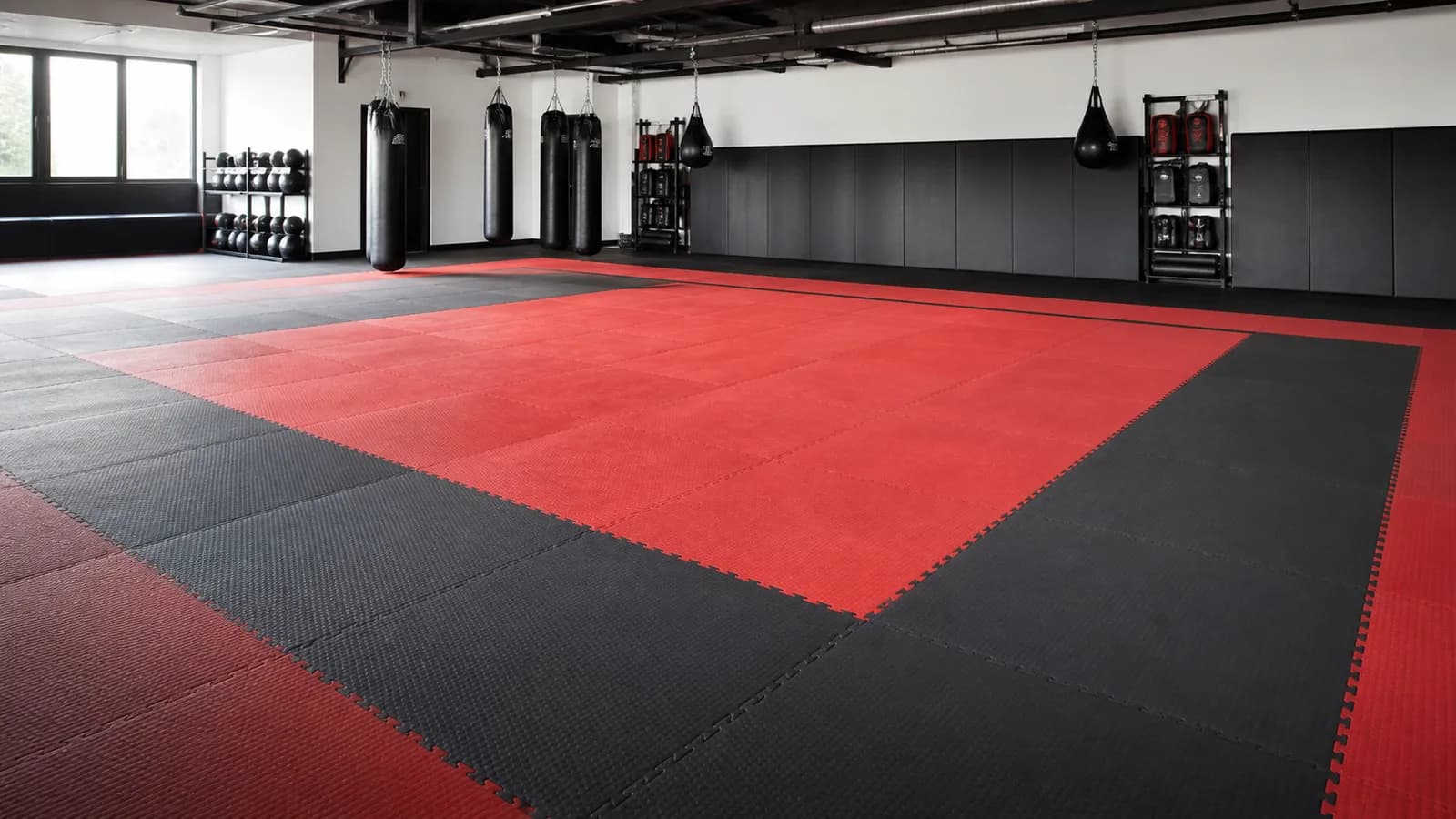
Use purpose-built judo tatami mats for throwing and grappling environments, or interlocking EVA mats for suitable lighter training programs. Confirm discipline, athlete level, fall behavior, firmness, texture and perimeter restraint before approval.
Start with operating risks before choosing a surface format or color.
Judo and takedown work require a purpose-matched resilient response.
Texture must balance grip with skin contact and movement.
Unrestrained fields can open gaps under repeated training.
The layout and surface must support frequent compatible cleaning.
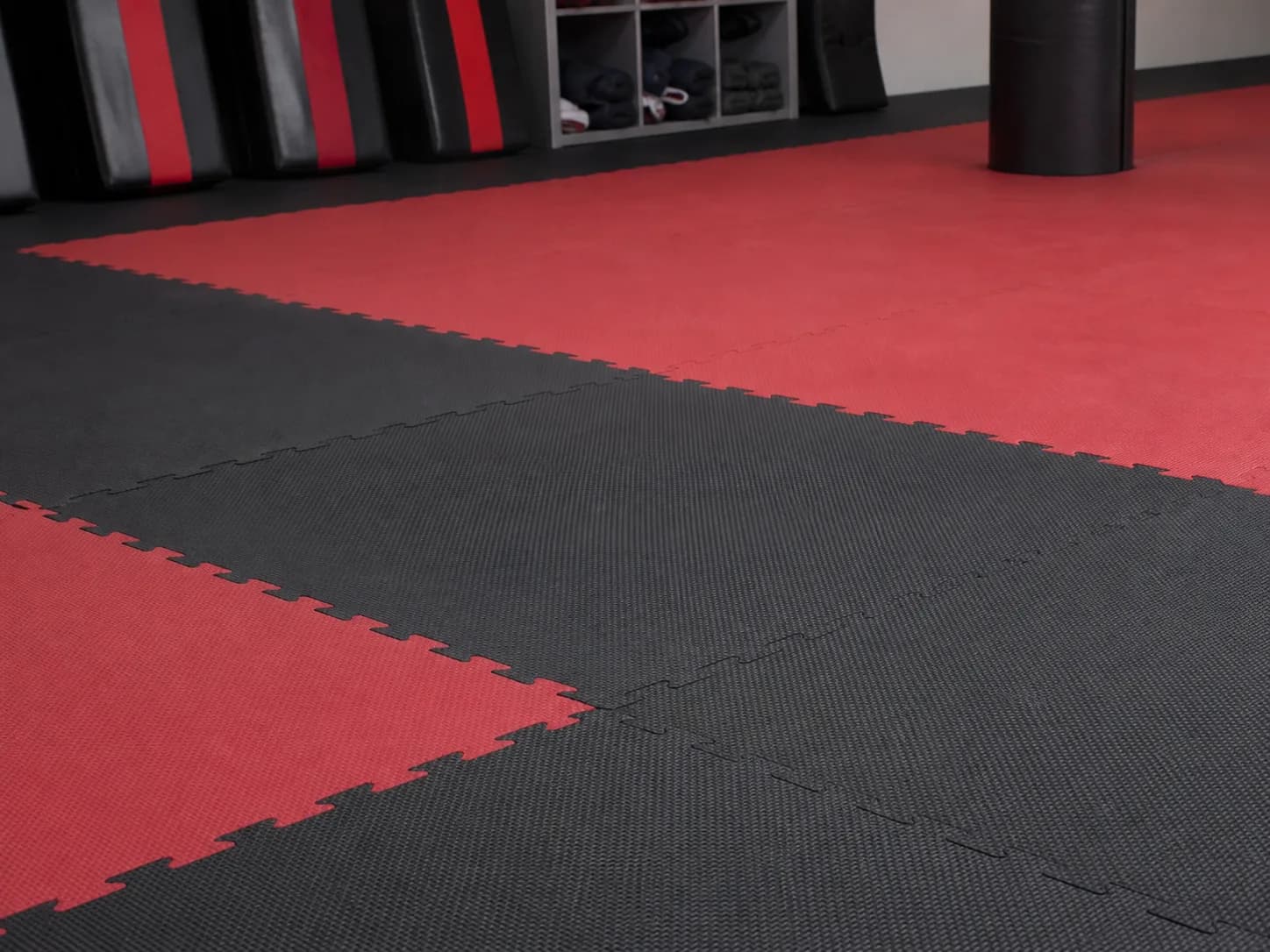
Compare real PowerBaseFit product routes for martial arts flooring, then validate the final construction against the project.
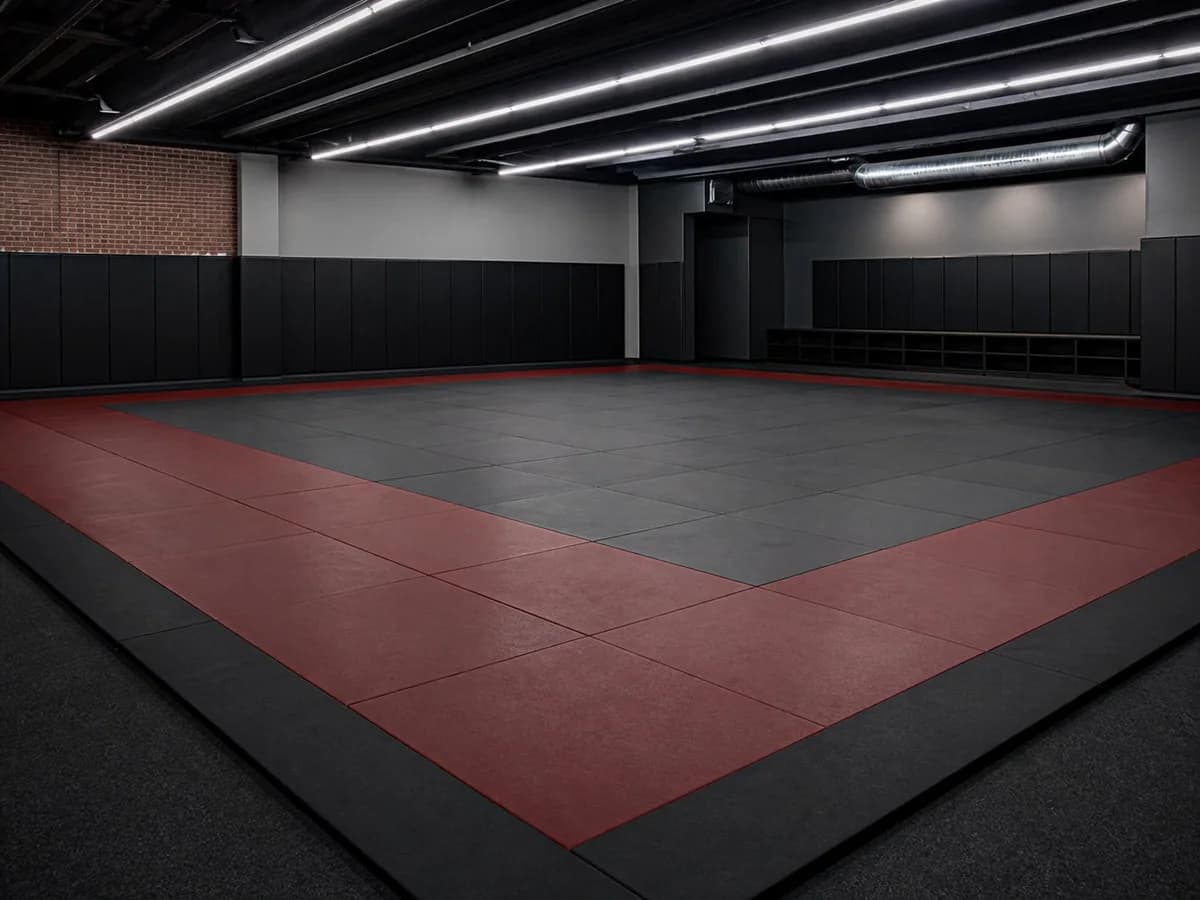
Compare the construction, not only the surface.
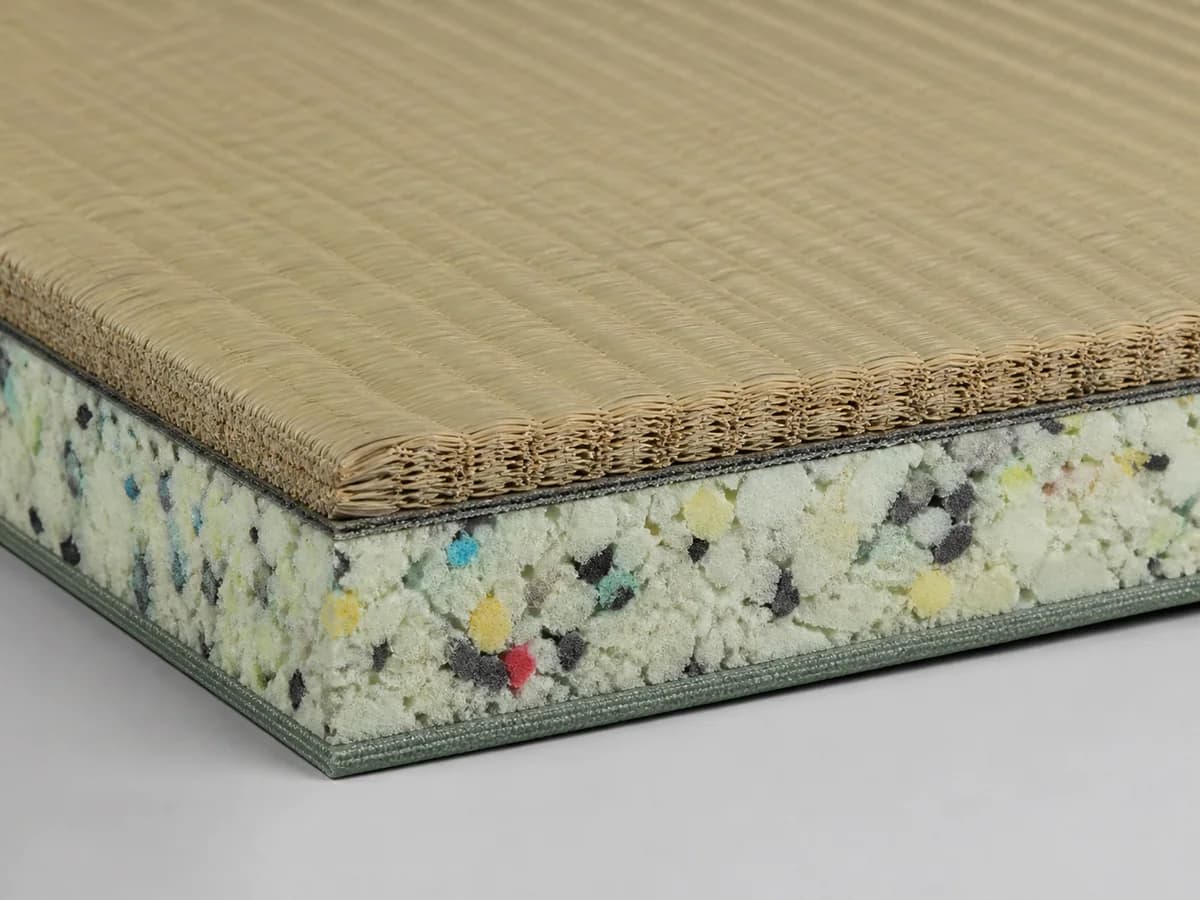
Compare the construction, not only the surface.
Use the condition, product route and verification column together. A product name by itself is not a complete specification.
| Project condition | Recommended route | Why it fits | Verify before approval |
|---|---|---|---|
| Judo throws | Purpose-built judo tatami | Discipline-specific resilience and texture | Athlete level and facility method |
| BJJ / grappling | Tatami or approved mat system | Supports ground movement and hygiene | Firmness and surface texture |
| Light drills | Interlocking EVA mat | Adaptable modular installation | Training intensity and restraint |
| Multipurpose room | Approved roll or modular mat | Flexible area coverage | All planned activities |
Final thickness is conditional on construction, load, use and the building. Confirm it through sample and project review.
State judo, BJJ, MMA, striking, mixed training or another defined use.
Approve the balance between energy absorption, footing and ground movement on a sample.
Review traction, skin contact and cleaning expectations.
Plan wall-to-wall fitting, frame or approved edge control to prevent gaps.
Different areas within martial arts flooring should be specified around their actual use instead of averaged into one room-wide assumption.
Use consistent modules and restrained edges.
Prioritize texture, seam quality and hygiene.
Coordinate bags, pads and equipment feet.
Separate footwear and clean training surfaces.
A practical specification sequence for developers, contractors, owners and distributors.
Describe throws, takedowns, striking and ground work.
Record age range, athlete level and class size.
Use physical samples rather than appearance alone.
Prevent movement and unsafe gaps.
Check compatible products and daily procedures.
Resolve these issues before sample approval, production release and installation.
Generic mats may not match the discipline or fall behavior.
Movement can open gaps during training.
Grip and skin interaction need physical review.
Variation can create uneven joints and response.
Unapproved products may damage the surface or residue level.
Plan a balanced field and controlled perimeter cuts.
Provide a clean, flat base beneath the mat system.
Use the approved wall, frame or edge route.
Check gaps, level and consistent orientation before use.
Remove sweat and soil using product-compatible methods.
Close or service any developing gaps promptly.
Manage localized wear within the system guidance.
Keep outdoor grit away from the training field.
Build a repeatable martial arts flooring program around approved samples, specifications and export packing.
Create competition, safety and border zones.
Review discipline-appropriate options.
Coordinate module and room layout where feasible.
Plan product labels, cartons and repeat-order references.
Tell us the room, equipment, area and performance priorities. The request arrives with Martial Arts and the recommended product preselected.
Request Free SamplesShare the project plan, quantity, building conditions, destination and timeline for a more relevant factory quotation path.
Get Factory QuoteDirect answers for buyers comparing materials, specifications and project routes.
The answer depends on the discipline. Judo and grappling facilities often need purpose-built tatami mats, while selected lighter training rooms may use EVA mats.
A properly measured field uses approved interlocking, wall-to-wall restraint or frame details to prevent migration and gaps.
Do not assume suitability from material name alone. Confirm the specific construction and discipline requirements.
Texture should balance traction, skin contact, movement and cleaning; compare actual samples with coaches.
Yes, color zoning can be discussed for borders, competition fields and brand direction.
Use a frequent compatible routine and avoid chemicals that leave residue or damage the surface.
Private-label color, marking and packaging can be reviewed according to the product and order.
Yes. State the disciplines, athlete level, room area, color plan and destination.
Continue from application selection into sample approval, installation and procurement planning.
Evaluate surface, construction and dimensions.
Read guide →Buyer resourcePrepare a flat base and controlled perimeter.
Read guide →Buyer resourcePlan colors, packaging and repeat orders.
Read guide →Use commercial resilient sports flooring for multipurpose and studio areas, with rubber protection under fitness equipment or weights. Separate discipline-specific activities rather than expecting one surface to handle every use equally.
Use a stable commercial resilient floor for Pilates reformers and mixed studios, or a purpose-approved cushioned roll system for bodyweight training. Avoid overly soft surfaces beneath equipment and approve warmth, texture and cleaning on samples.
For most commercial gyms, use low-seam rubber flooring in cardio and machine areas, dense rubber tiles around free weights, and purpose-built turf where sled work is planned. Confirm the final build-up against equipment loads, subfloor conditions and cleaning routines.
Send equipment, area, building conditions, destination and customization needs. PowerBaseFit will review the application route before samples or pricing are prepared.