OEM Gym Flooring Buying Guide
Plan custom color, logo, packaging, sample approval and repeat-order control for a private-label flooring range.
1.Define the OEM scope
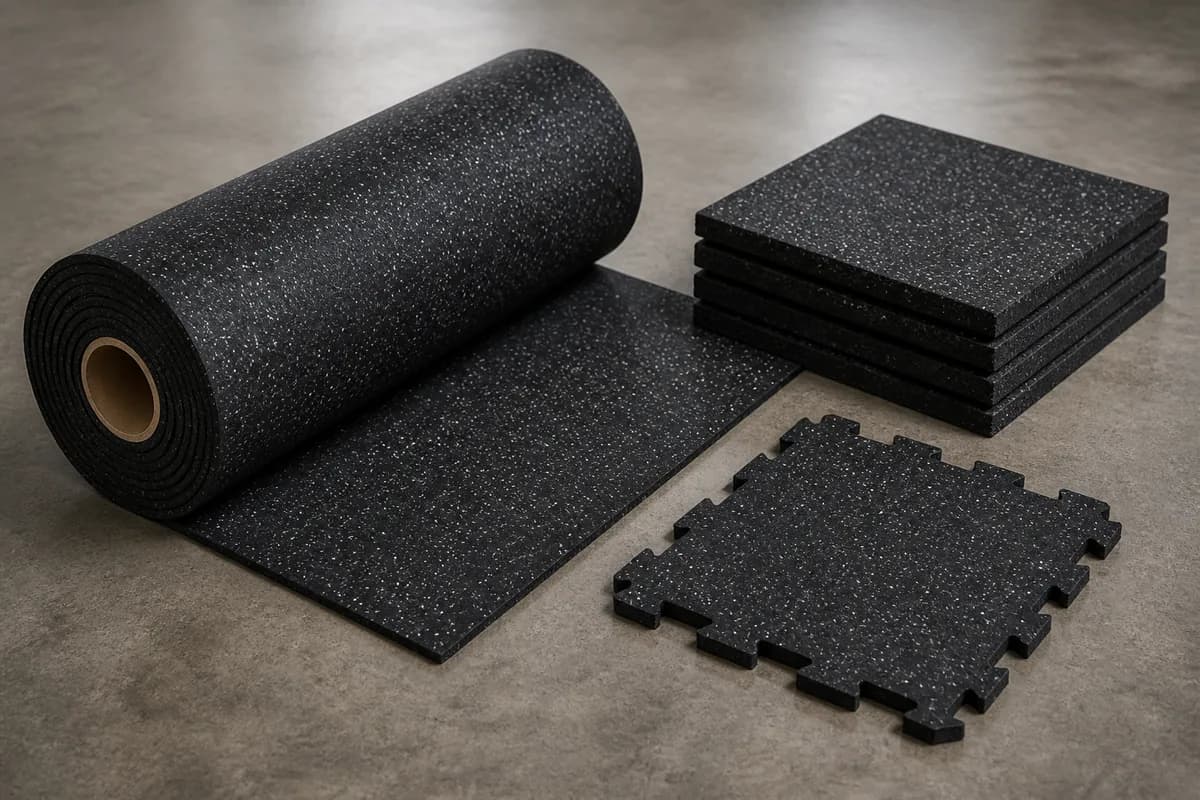
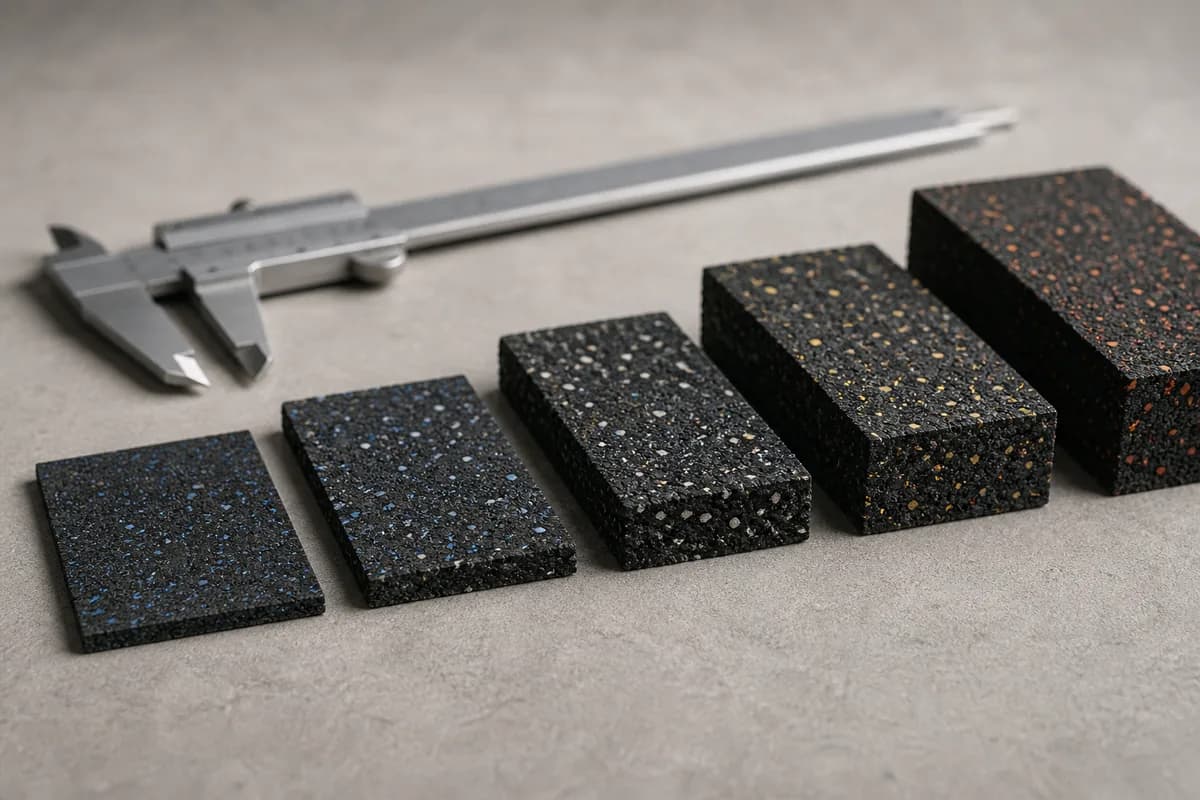
Start with target buyer, application, product format, thickness, color range and price position. Branding decisions are easier once the physical product and sales channel are defined.
- →Product construction and size
- →Color and speckle direction
- →Logo application where feasible
- →Carton, label and barcode needs
- →Sales samples and technical information
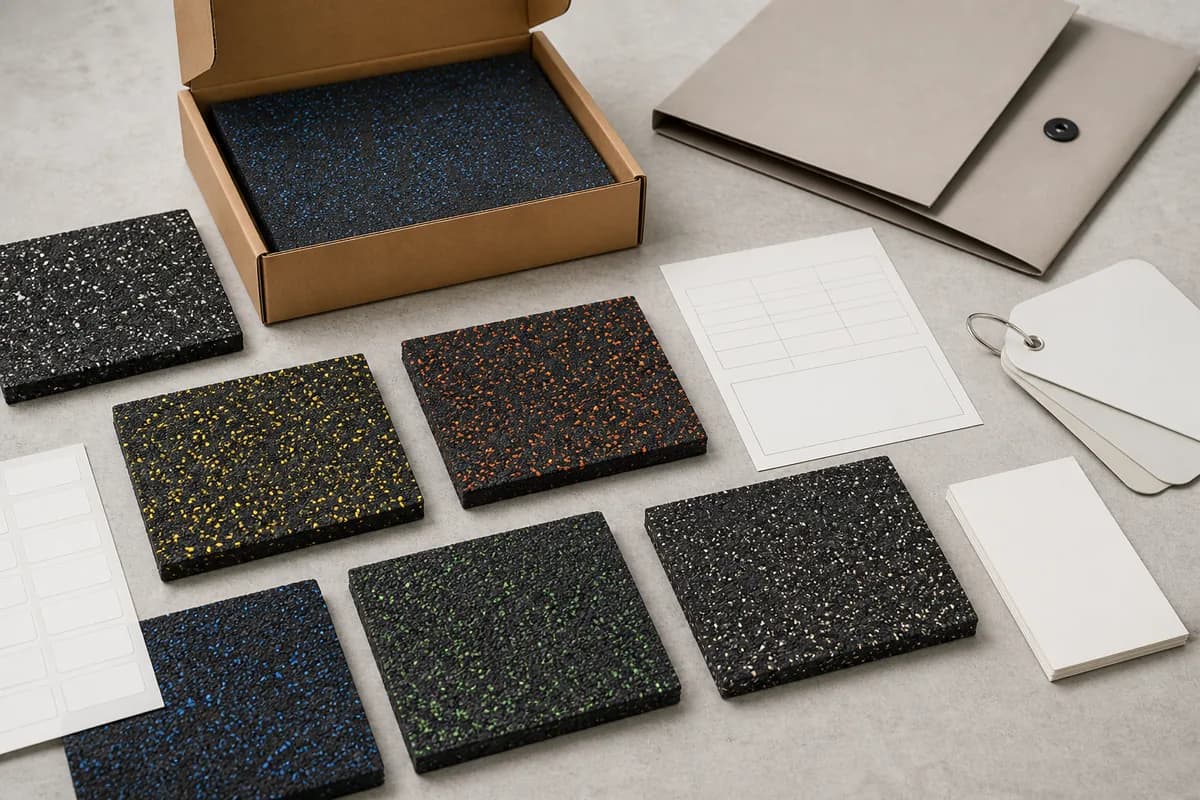
2.Use a staged sample process
Approve base construction first, then color and surface, then branded packaging. Combining every decision in one late sample increases revision cost and can delay production release.
3.Control artwork and packaging
Use versioned artwork files and a written approval record. Confirm label position, carton dimensions, packing quantity and any destination-market information the buyer is responsible for providing.
4.Protect repeat-order consistency
Retain approved flooring and packaging samples. Record product codes, color references, tolerances and artwork versions. Review changes before each repeat production rather than relying on memory.
Buyer Questions
Should a buyer approve physical samples before a bulk order?+
Yes. A retained physical sample gives both parties a reference for thickness, surface, color distribution, odor expectations and general construction before production is released.
Can one flooring specification cover every training zone?+
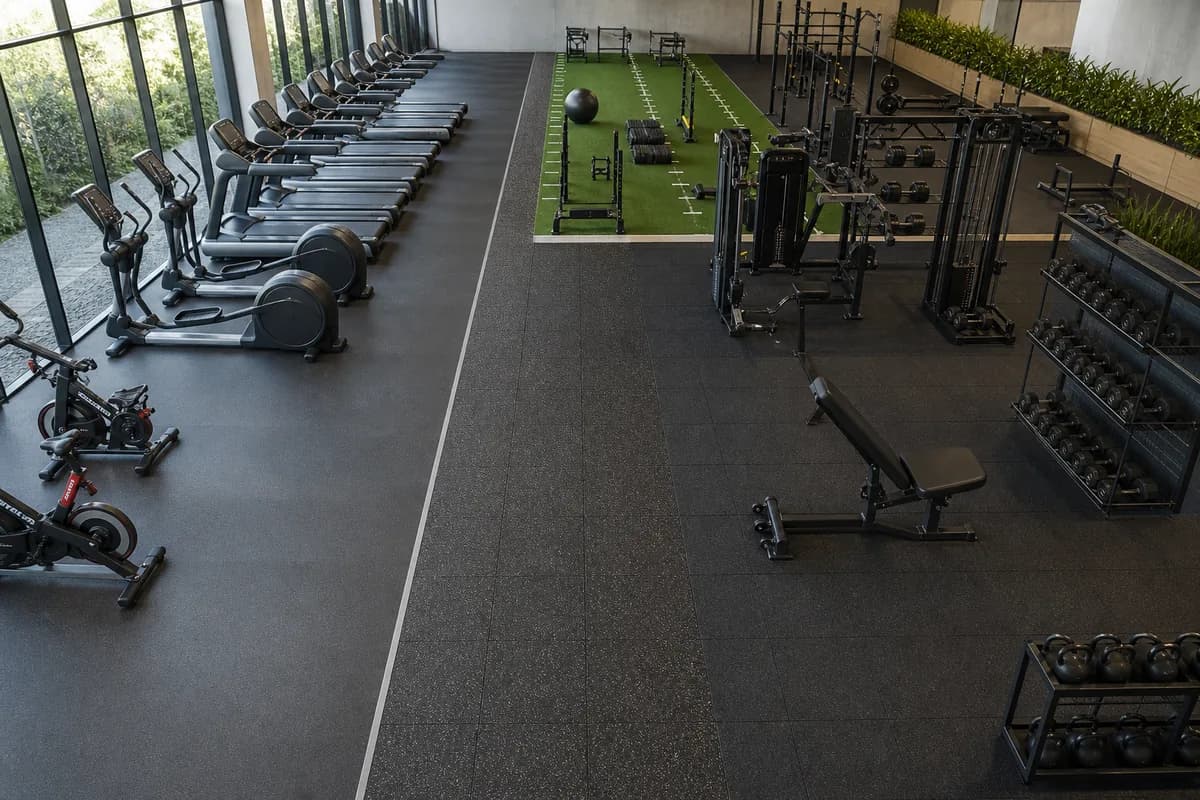
Sometimes, but zoning is usually more efficient. Cardio, circulation, strength and repeated-impact areas place different demands on a floor, so one universal thickness can over-specify light areas or under-protect heavy areas.
Can custom color be matched from a screen image?+
A screen image is useful for direction but not final approval. Physical samples should be reviewed under relevant lighting, with reasonable production tolerances agreed in writing.