Gym Flooring Thickness Guide
Use training load, product density, floor build-up and subfloor risk to choose a practical gym flooring thickness.
1.Practical starting points
The ranges below are discussion points, not universal engineering values. Actual requirements depend on equipment, drop practice and project standards.
| Training zone | Typical starting range | Primary concern | Confirm before approval |
|---|---|---|---|
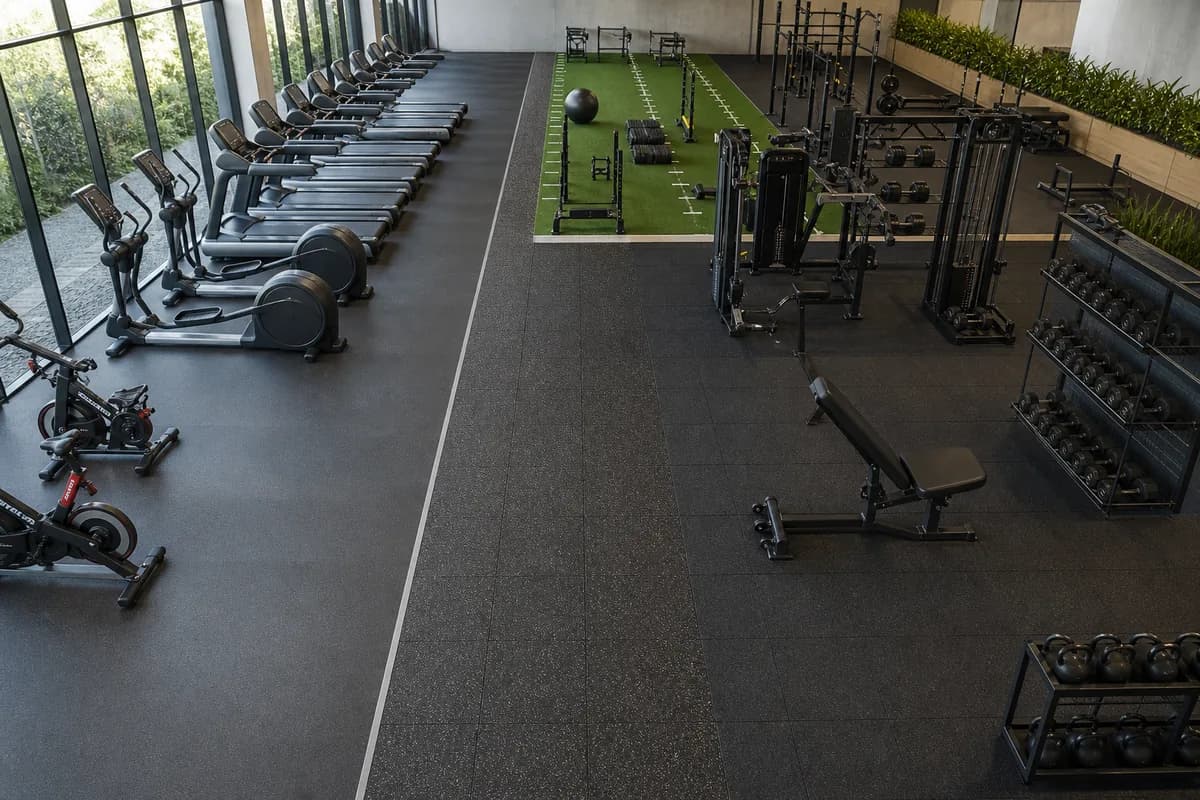
| Cardio / light training | 8–10 mm | Wear and equipment stability | Machine load and subfloor |
| General commercial strength | 10–15 mm | Daily durability | Dumbbell use and traffic |
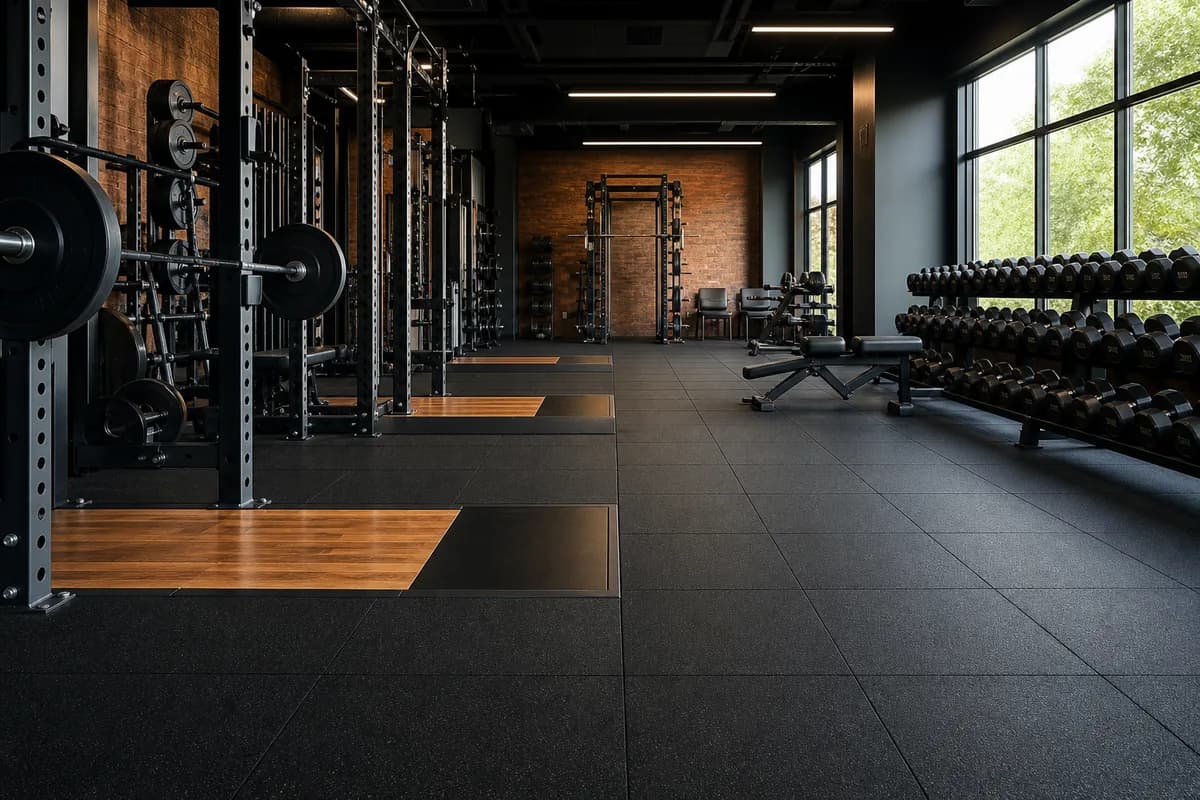
| Free weights | 15–30 mm | Repeated impact | Drop practice and density |
| Dedicated lifting zone | System-specific | Concentrated impact | Platform or layered protection |
2.Why density and structure matter
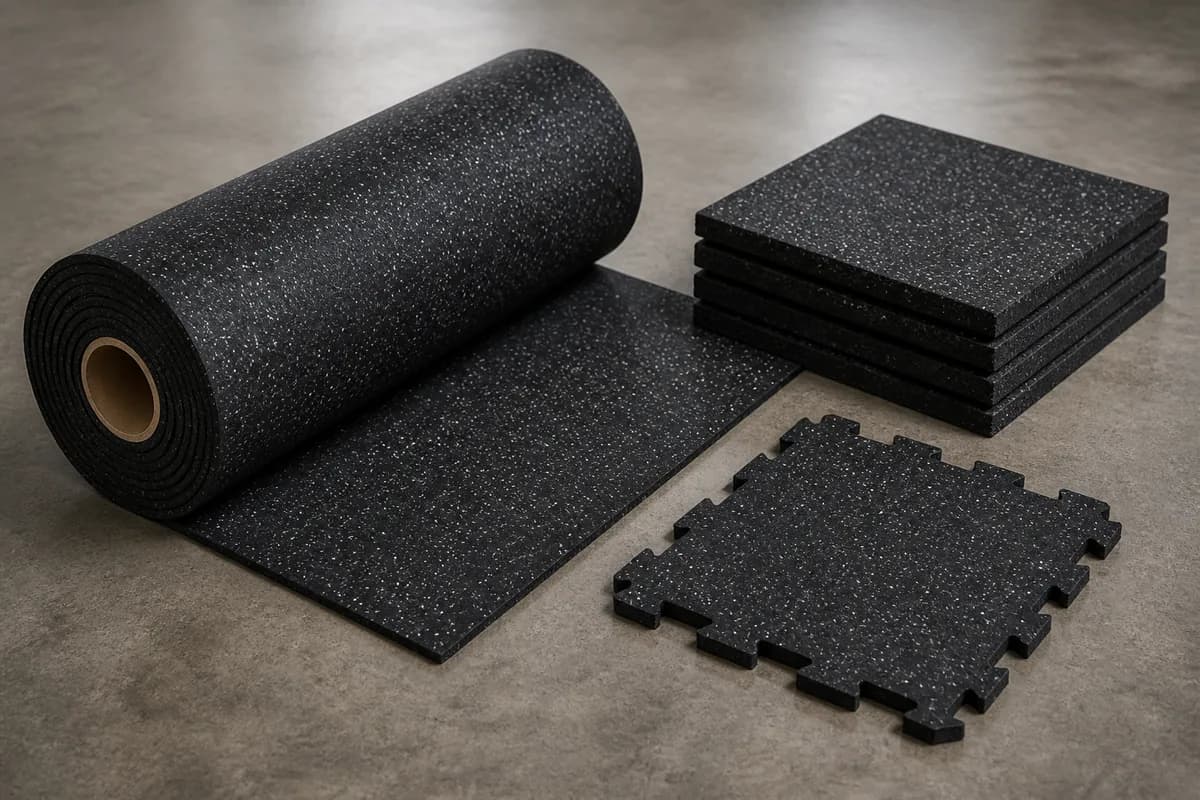
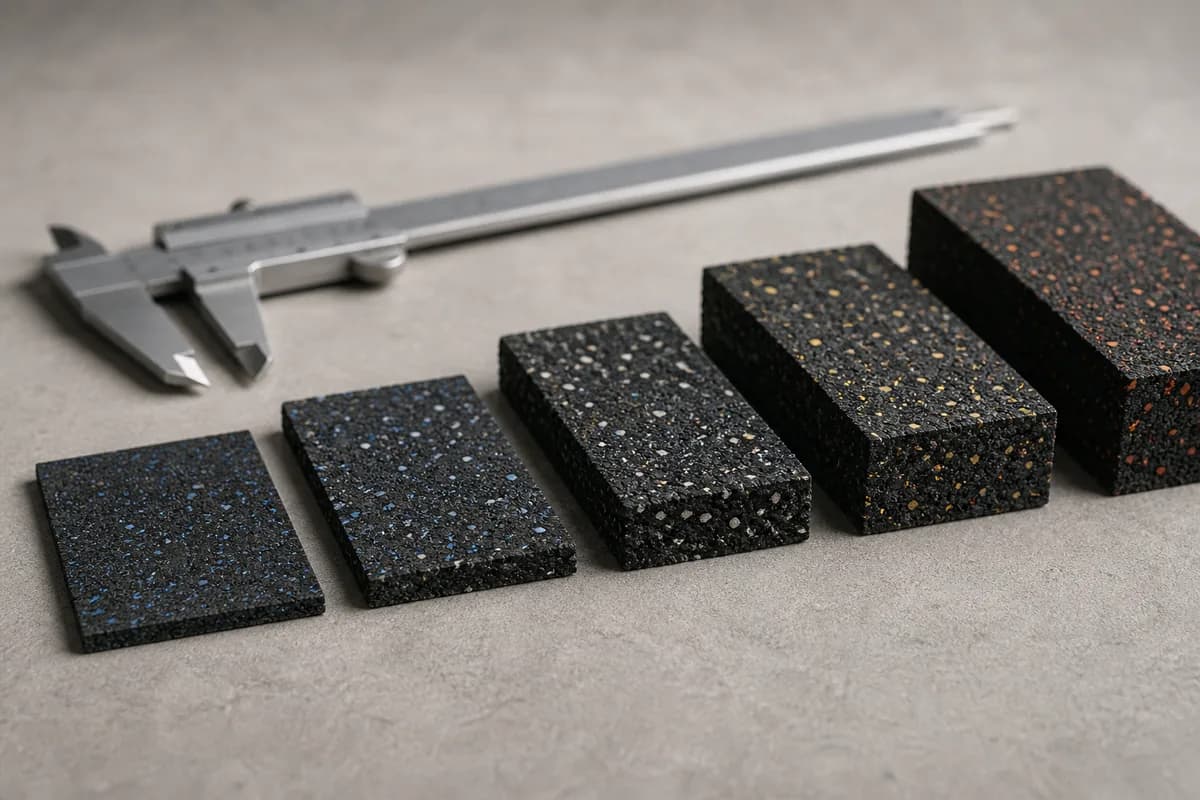
Two products with the same nominal thickness may differ in weight, compression, granule structure and surface stability. Ask for product construction and sample weight rather than treating thickness as the only performance indicator.
3.Upper-floor gyms need a system review
A thicker surface alone does not guarantee adequate acoustic control. Review the structural slab, sensitive rooms below, impact source, underlay and installation build-up. Where performance is critical, use project-specific acoustic advice and testing.
4.Thickness approval and inspection
Measure multiple points on the sample and define how production will be checked. Retain the approved sample and confirm product labels, packing quantity and batch identification before shipment.
- →Nominal thickness and tolerance
- →Sample measurement points
- →Density or weight reference
- →Edge and surface condition
- →Repeat-order reference sample
Buyer Questions
Should a buyer approve physical samples before a bulk order?+
Yes. A retained physical sample gives both parties a reference for thickness, surface, color distribution, odor expectations and general construction before production is released.
Can one flooring specification cover every training zone?+
Sometimes, but zoning is usually more efficient. Cardio, circulation, strength and repeated-impact areas place different demands on a floor, so one universal thickness can over-specify light areas or under-protect heavy areas.
What thickness is best under heavy weights?+
Heavy free-weight and repeated-drop zones commonly need thicker tiles, mats or lifting platforms than general areas. The correct build-up depends on the actual drop practice and subfloor risk.