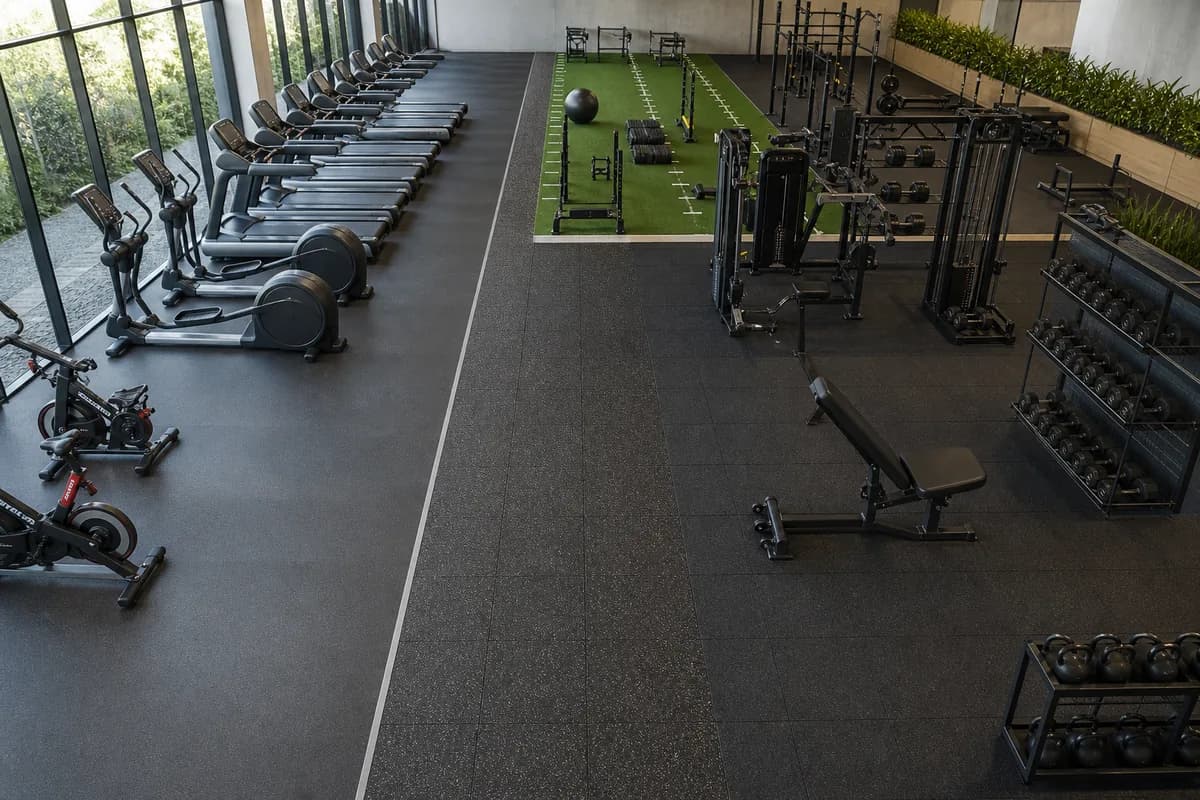
Best Flooring for Commercial Weight Rooms
Plan impact protection, stability, replacement and acoustic risk for dumbbell, barbell and rack areas.
1.Define the real load case
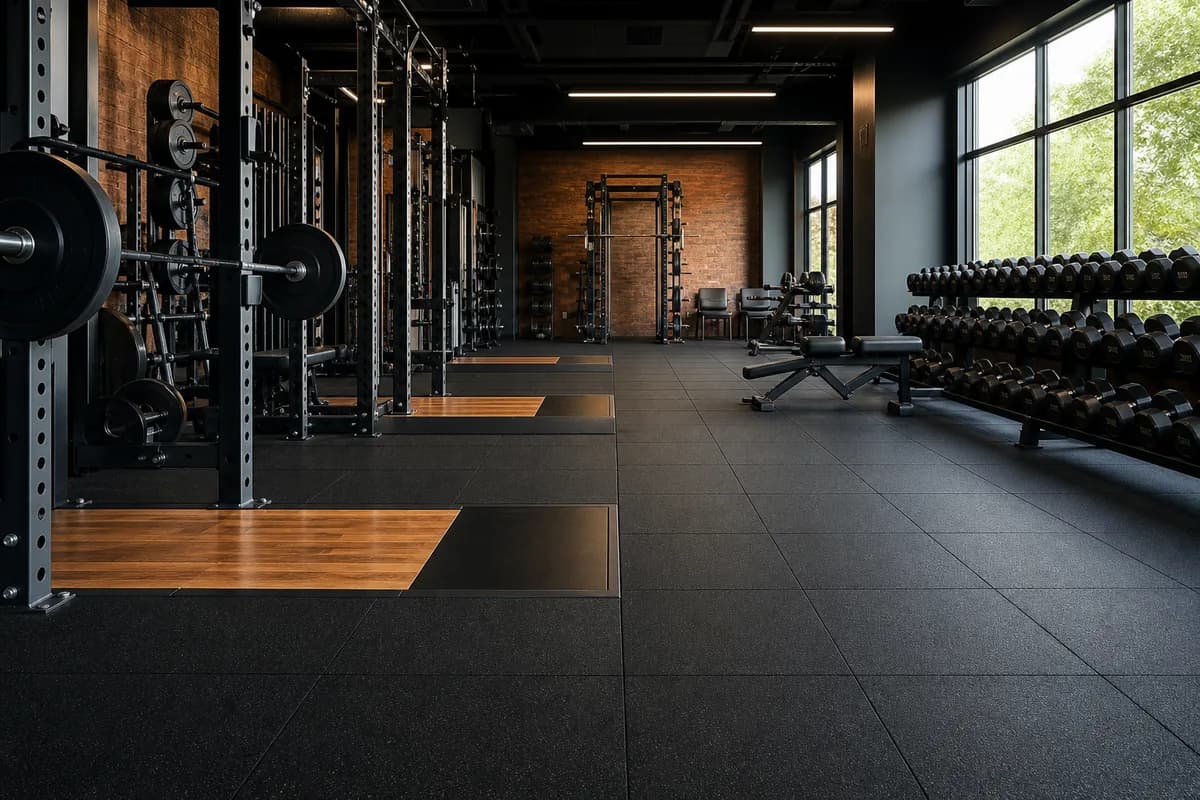
A loaded rack creates a different demand from a dropped dumbbell. Document maximum equipment weight, likely drop height, training policy and vulnerable subfloor areas before choosing a product.
2.Choose the floor system
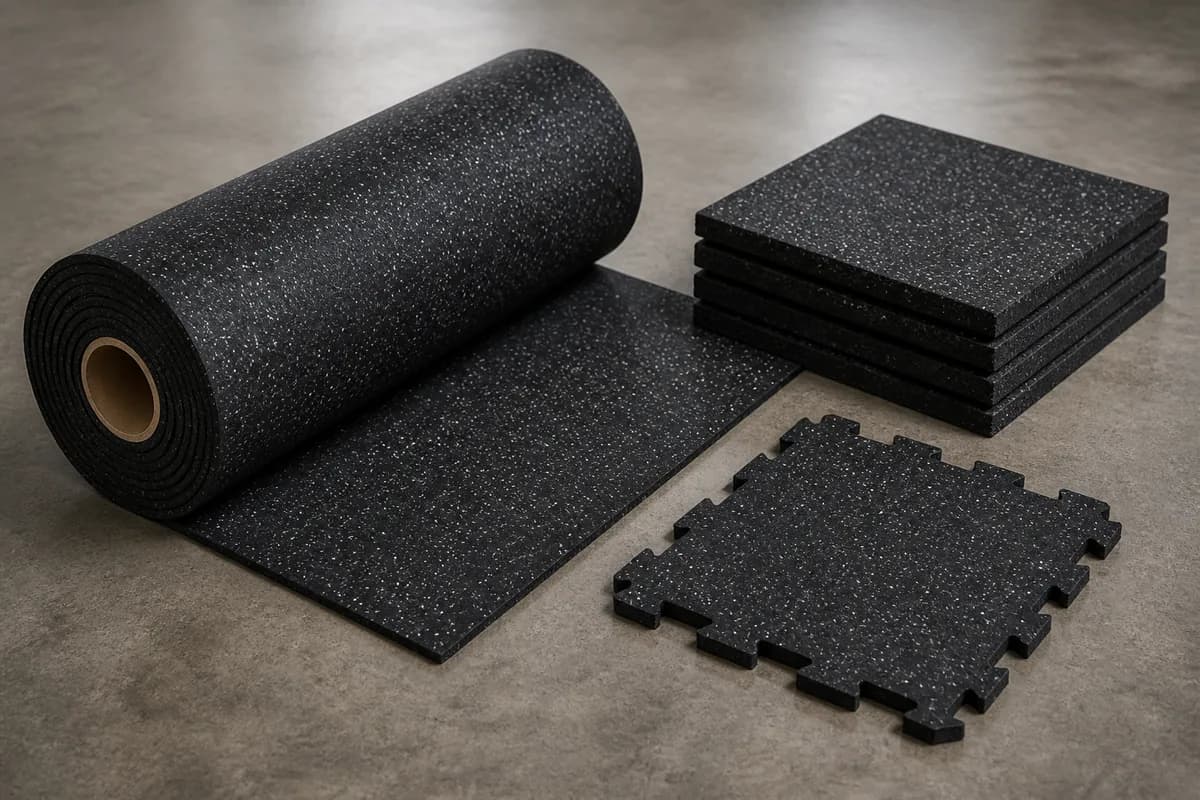
Tiles provide modular replacement and strong zone definition. Local mats and lifting platforms can add protection at predictable impact points. Avoid making the entire room unnecessarily thick when impact is concentrated in selected bays.
| Training zone | Typical starting range | Primary concern | Confirm before approval |
|---|---|---|---|
| Cardio / light training | 8–10 mm | Wear and equipment stability | Machine load and subfloor |
| General commercial strength | 10–15 mm | Daily durability | Dumbbell use and traffic |
| Free weights | 15–30 mm | Repeated impact | Drop practice and density |
| Dedicated lifting zone | System-specific | Concentrated impact | Platform or layered protection |
3.Details that prevent project problems
Confirm door clearance, perimeter restraint, transitions to adjacent floors, equipment anchoring and cleaning access. A technically suitable tile can still perform poorly if edges move or the subfloor is uneven.
- →Subfloor flatness
- →Perimeter and transition details
- →Equipment installation sequence
- →Spare tile quantity
- →Cleaning under movable equipment
4.Approve a representative sample
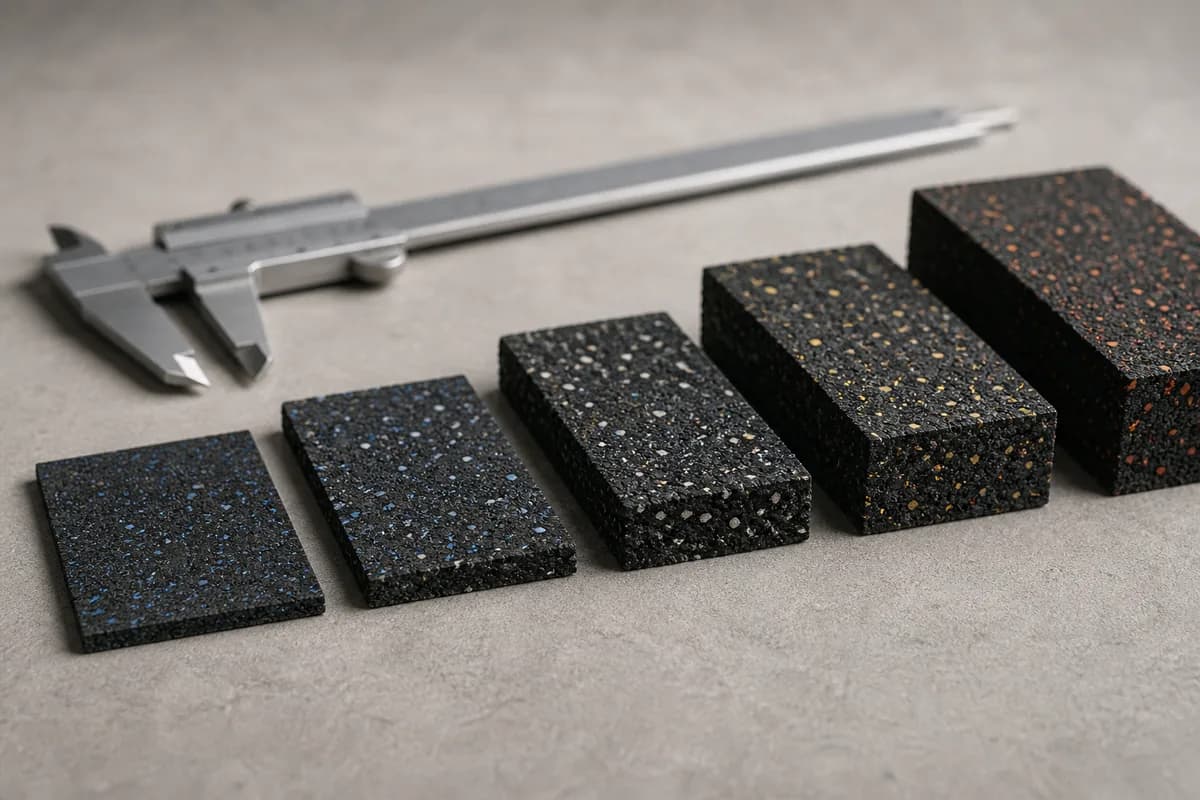
Evaluate surface grip, compression, odor expectations, edge quality and appearance under the facility lighting. A trial area is more informative than a small swatch when movement and seams are important.
Buyer Questions
Should a buyer approve physical samples before a bulk order?+
Yes. A retained physical sample gives both parties a reference for thickness, surface, color distribution, odor expectations and general construction before production is released.
Can one flooring specification cover every training zone?+
Sometimes, but zoning is usually more efficient. Cardio, circulation, strength and repeated-impact areas place different demands on a floor, so one universal thickness can over-specify light areas or under-protect heavy areas.
Can a weight room use rubber rolls?+
Rolls may suit circulation or lighter strength areas, while heavier free-weight zones often use thicker tiles, mats or platforms. The choice should follow the actual impact pattern.