Formats
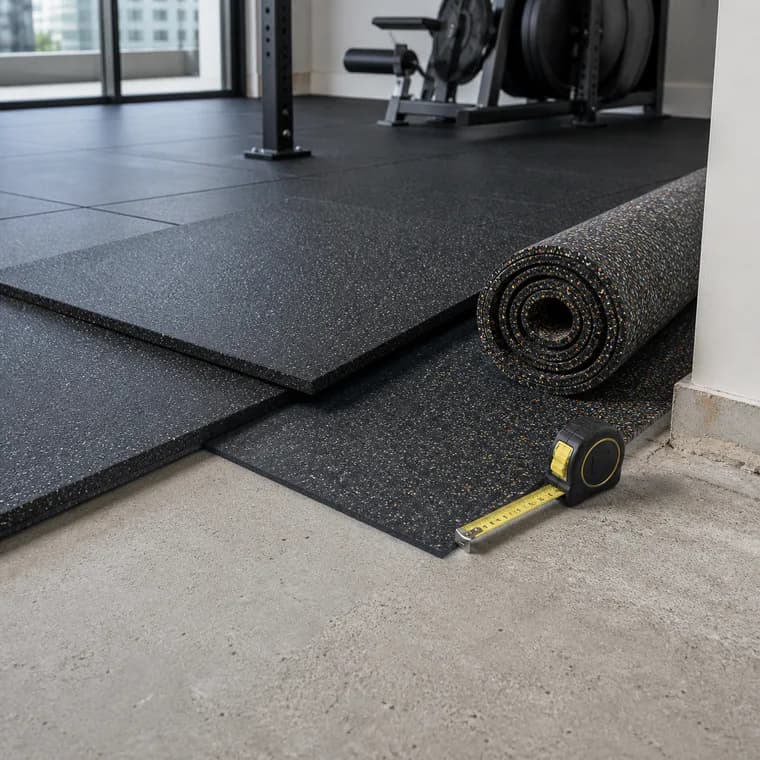
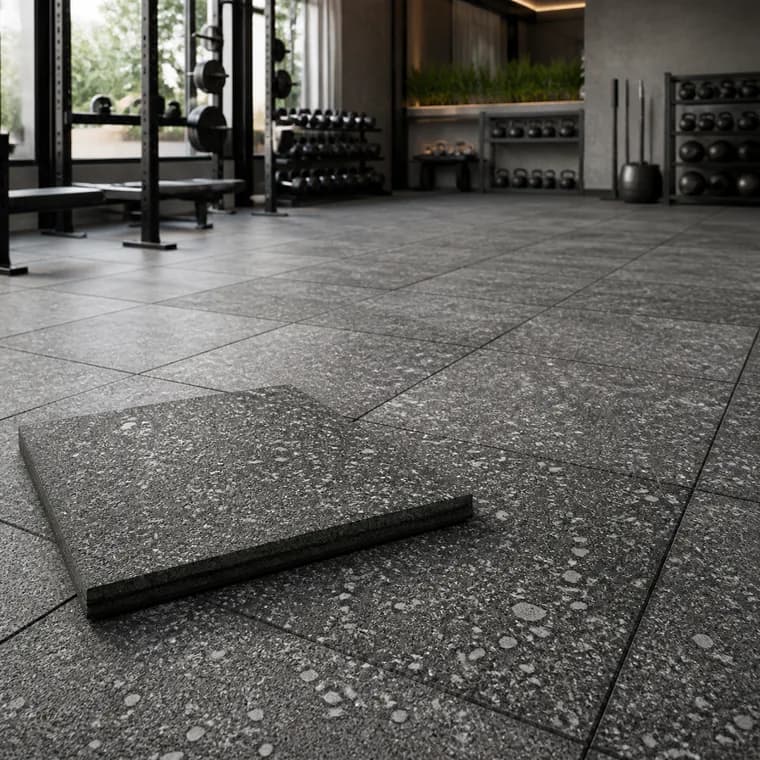
Rolls for broad continuous areas, square tiles for modular installation, and interlocking tiles for removable layouts.
Specify rubber flooring by training load, subfloor, installation method and lifecycle expectations—not thickness alone. PowerBaseFit supports distributors, contractors and gym developers with roll, tile and interlocking formats for commercial procurement.
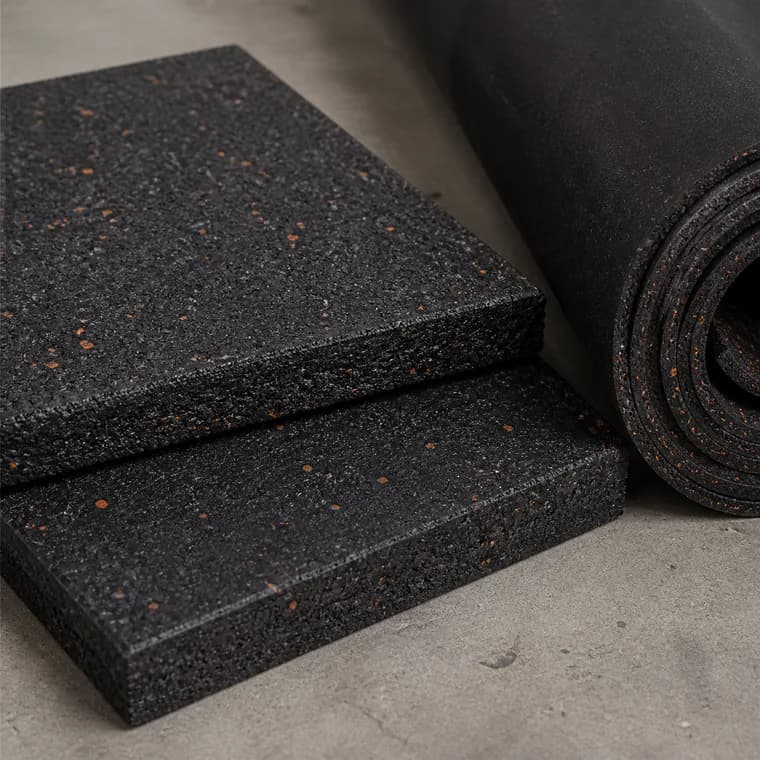
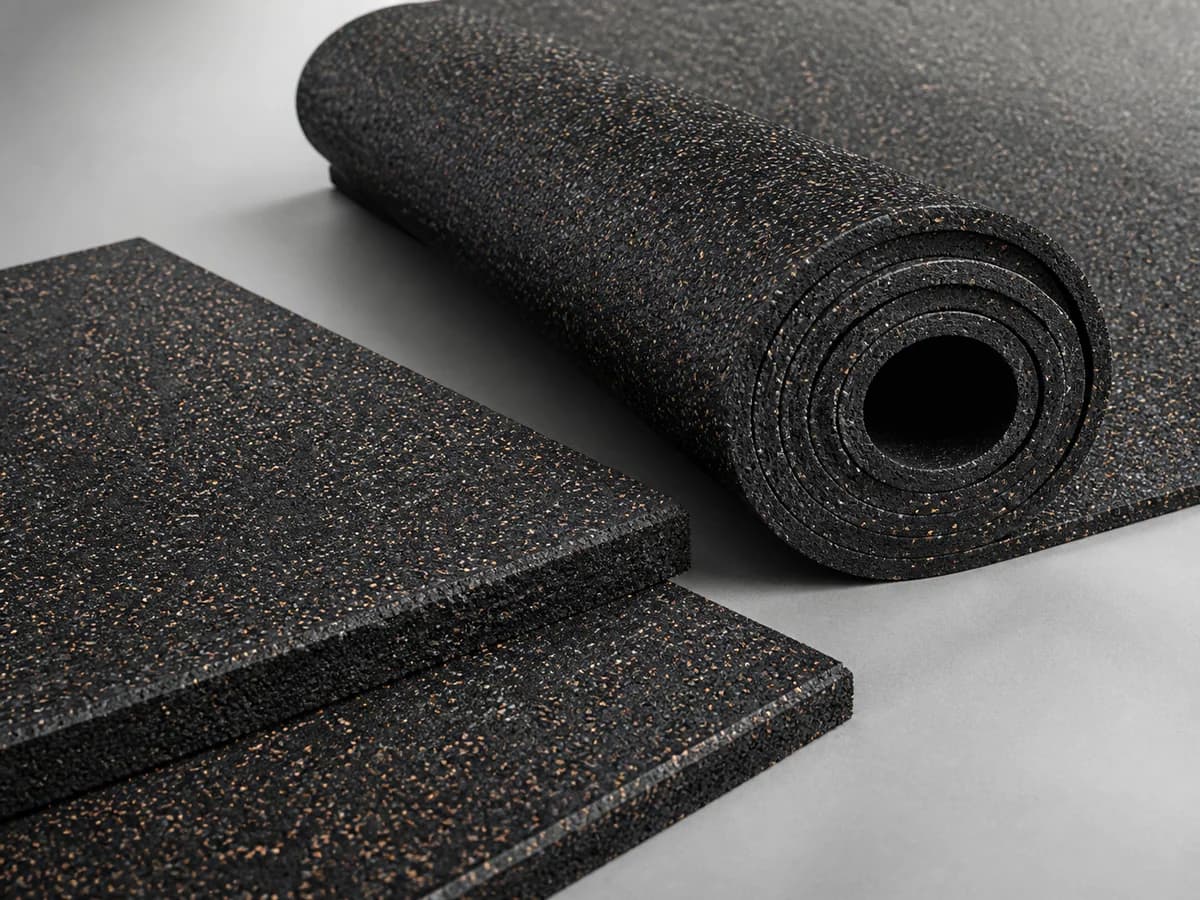
Rubber gym flooring is a resilient surface made from bonded rubber granules or layered rubber constructions. It is used to protect subfloors, manage impact and create durable training surfaces in fitness environments.
Commercial buyers typically compare format, thickness, surface appearance, backing structure, installation method and packing efficiency before approving a supply program.
Rubber Flooring buyers can compare the variables that affect application fit, installation, landed cost and repeat purchasing before requesting a production quotation.
Rolls for broad continuous areas, square tiles for modular installation, and interlocking tiles for removable layouts.
Homogeneous granule structures or layered surfaces selected around appearance, impact and project budget.
Fine-granule, flecked and project-color visual options with smooth or lightly textured finishes.
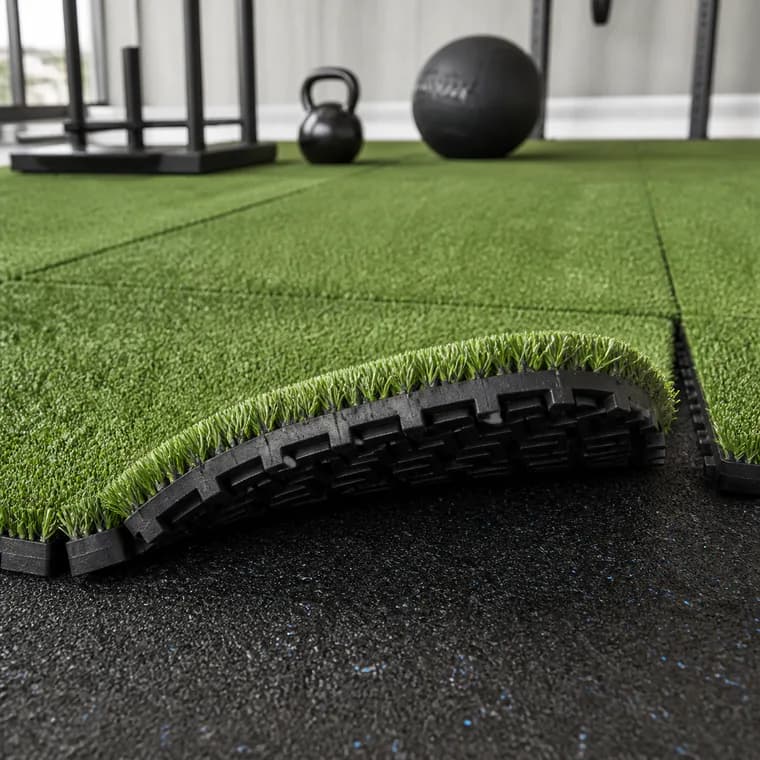
Straight edges for adhered layouts or interlocking profiles for modular installation.
Roll- or pallet-based export packing planned around order mix, handling and destination.
Use this guidance to prepare a clear rubber flooring request. Final specifications are agreed against the application, sample and commercial order.
| Specification | Available options / guidance |
|---|---|
| Material | Bonded rubber granules or project-selected rubber construction |
| Thickness | Selected according to impact load, equipment zone and subfloor condition |
| Size | Roll, tile and interlocking formats according to layout |
| Color | Black, flecked and custom visual programs subject to sample approval |
| Installation | Loose lay, interlocking or adhesive installation depending on format and site |
| Customization | Color mix, format, thickness, packaging and private-label support |
Application conditions determine whether rubber flooring is a strong fit. Use the application path to compare equipment, traffic, subfloor and operating needs.
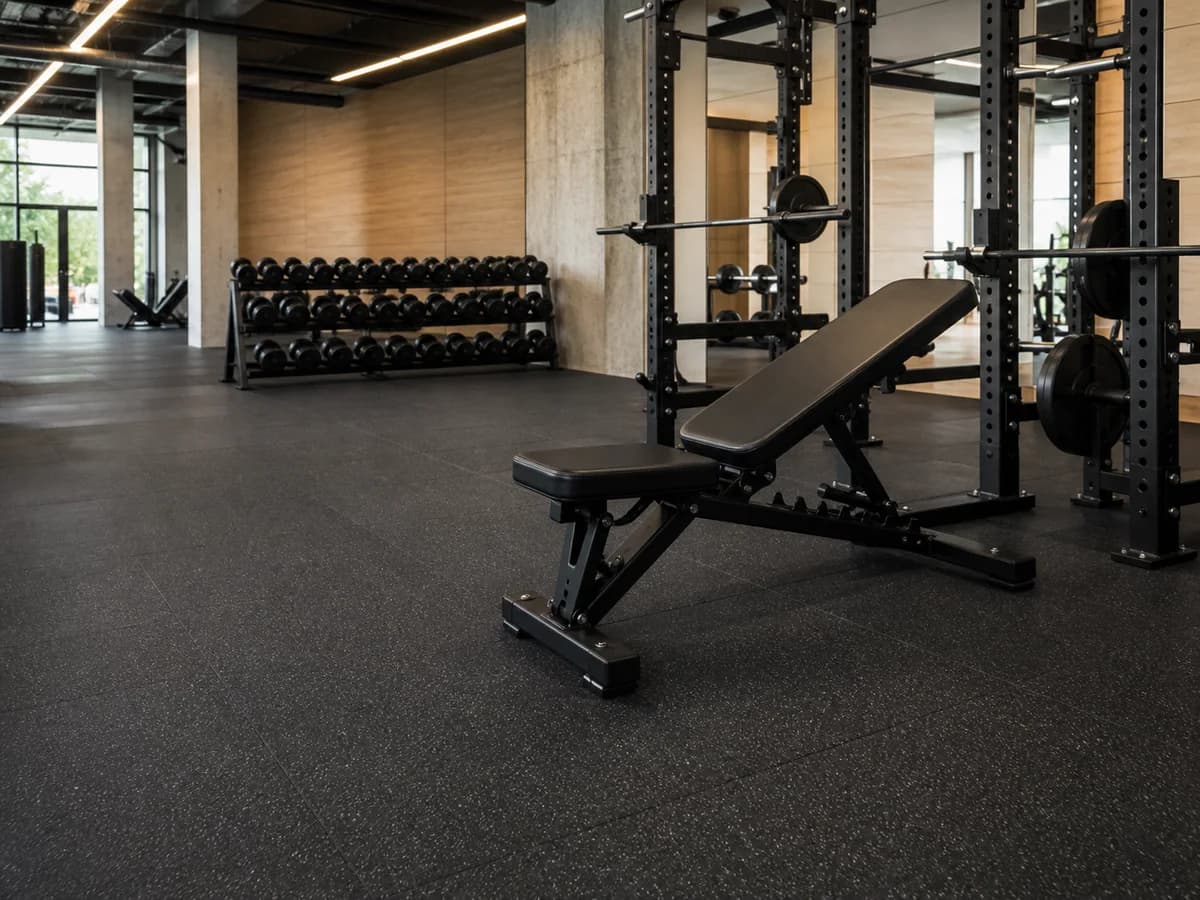
Impact-focused surfaces for racks, benches and plate handling zones.
Explore application →Durable flooring for mixed training and circulation areas.
Explore application →Layered systems considered with vibration and building constraints.
Explore application →Evaluate rubber flooring as a complete project specification rather than a standalone sample.
Construction and thickness should match expected dropped-load intensity and equipment layout.
Surface texture and cleaning condition influence underfoot grip; samples help verify the intended finish.
Impact sound response depends on flooring structure, subfloor and the complete installation build-up.
Material composition, traffic and maintenance determine long-term surface appearance.
A practical selection sequence for distributors, contractors and project buyers.
Separate circulation, cardio, selectorized equipment and free-weight loads before choosing one specification.
Flatness, moisture, floor level and permitted adhesives affect format and installation.
Rolls reduce joints; tiles simplify replacement; interlocking systems support removable layouts.
Confirm color distribution, texture, odor expectations and edge detail before volume production.
Plan roll length, pallet weight, unloading access and installation sequence before quotation.
Resolve these rubber flooring points before sample approval to reduce specification changes, installation risk and avoidable freight cost.
Two products of similar thickness can differ in construction, resilience and intended load.
Site conditions can change adhesive choice and installation outcome.
Free weights and circulation areas often require different performance priorities.
Fleck distribution and surface appearance should be assessed on a representative sample.
Roll and pallet weights must fit site handling and unloading capacity.
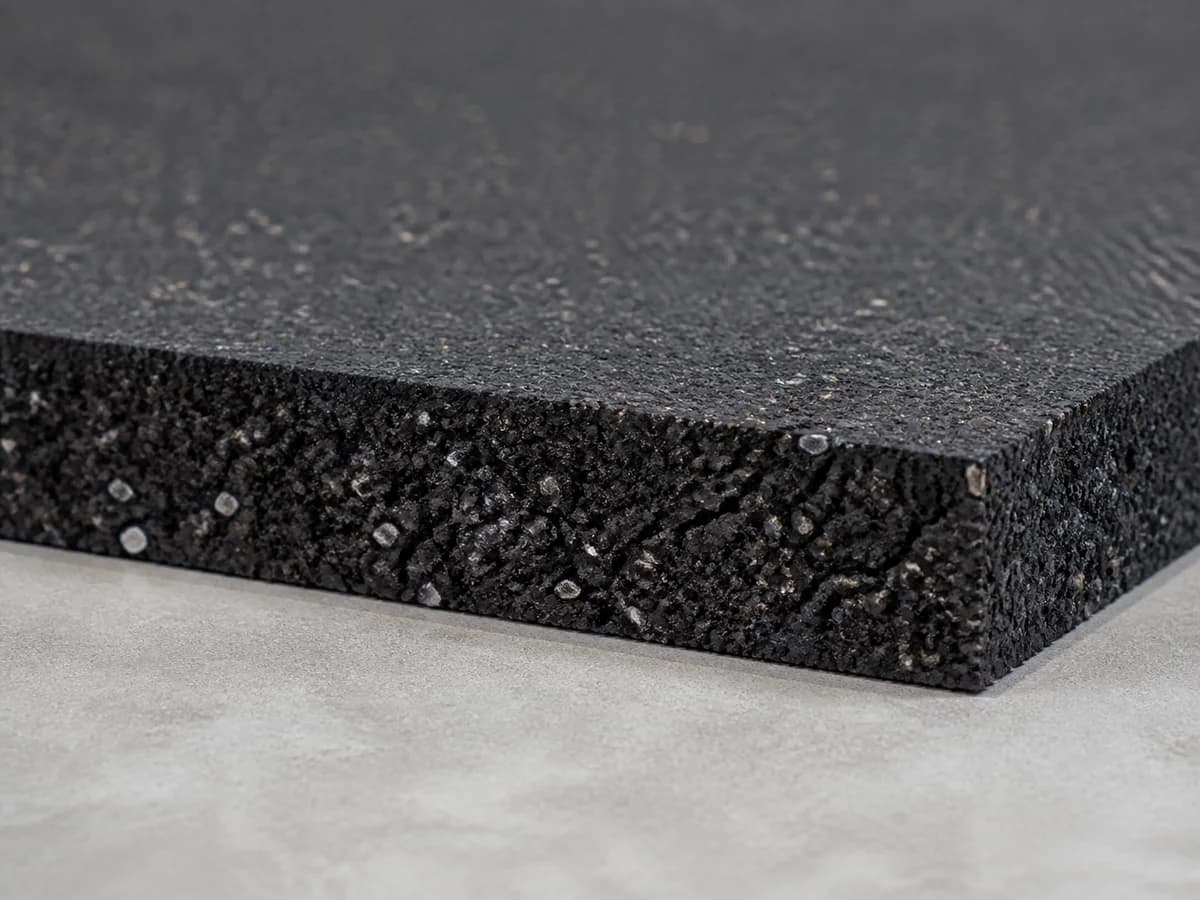
Build a repeatable rubber flooring program around the buyer, channel, project conditions and approved production sample.
Custom fleck blends and visual direction can be developed through sampling.
Format and thickness can be aligned with the target market or project layout.
Private-label packaging, labels and product identification are available for applicable orders.
Construction can be reviewed against application, price position and distribution channel.
Request a rubber flooring sample to review the surface, structure, color direction and application fit with your purchasing team.
Request Free SamplesSend quantity, destination, customization and timeline details for a quotation based on the selected rubber flooring program.
Get Factory QuoteTechnical behavior varies with the selected rubber flooring construction, installation and operating conditions.
Evaluate material composition, ventilation plan and project requirements using the selected production sample.
Performance depends on construction and the testing standard required for the destination project.
Rubber surfaces tolerate routine cleaning, while seams, adhesives and subfloor moisture still require correct detailing.
Use compatible neutral cleaners and control loose particles, oils and standing moisture.
Technical documentation is available upon request for applicable rubber flooring products and projects.
Direct answers to specification, installation, customization and ordering questions.
It is a resilient roll or tile surface designed to protect the subfloor and support repeated fitness traffic and equipment loads.
Rolls suit broad continuous areas, tiles simplify modular replacement, and interlocking tiles suit removable installations. Site layout and labor access should guide the choice.
Choose from the expected dropped-load intensity, equipment type, subfloor and any acoustic requirement. Share the zone plan for a project-specific recommendation.
Yes, when the concrete is flat, dry, clean and prepared for the selected loose-lay or adhesive method.
Surface texture can support underfoot grip, but cleaning condition, contaminants and wet-use expectations must be considered.
Applicable orders can use project color mixes, private-label packaging and market-specific product identification after sample approval.
Remove loose debris regularly and use compatible neutral cleaning methods without leaving oils or standing moisture.
Yes. Tell us the format, application, preferred appearance and destination so the factory team can prepare the relevant sample and available documentation.
Compare adjacent product families before approving the final application build-up.
Share your rubber flooring application, quantity, destination and customization needs. PowerBaseFit will review the product route before samples or pricing are prepared.