Gym Flooring Export Packaging & Container Loading Guide
Plan rolls, cartons, pallets, container use, markings, unloading and receiving evidence for international flooring orders.
1.Write a packing specification
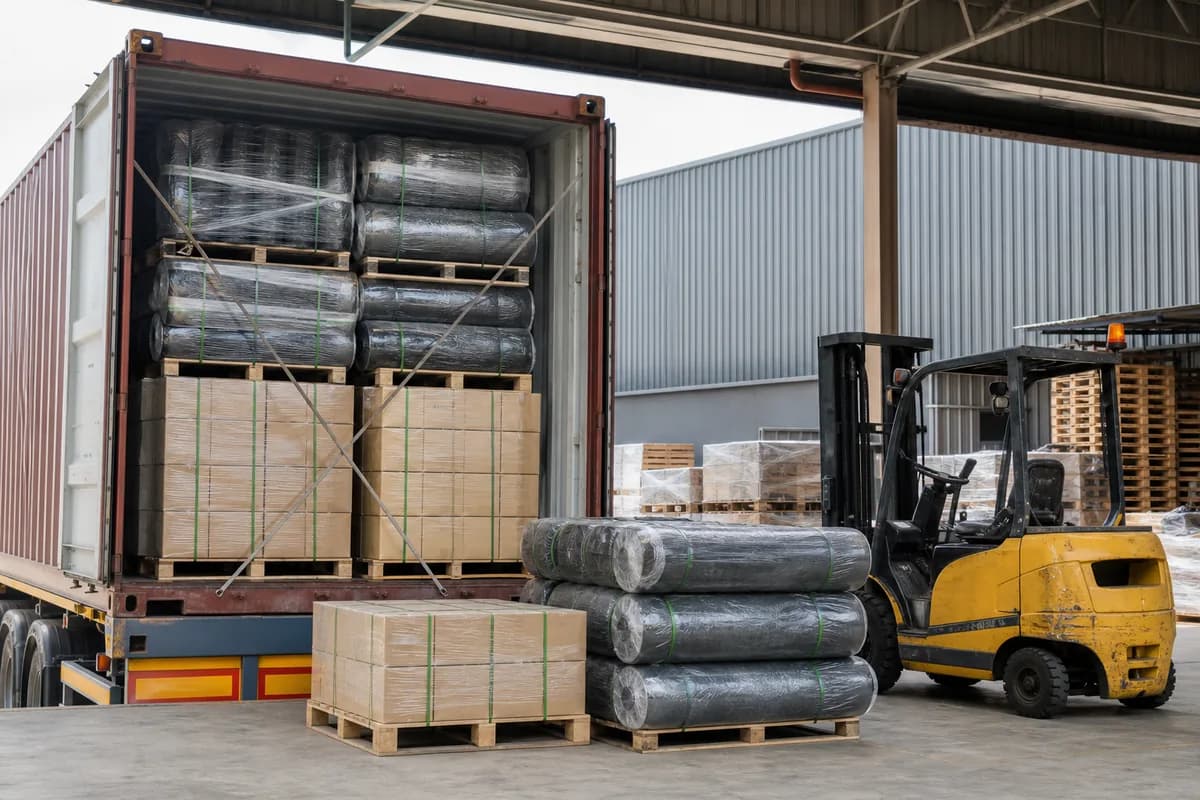
Define pieces per carton, roll wrapping, edge protection, pallet use, gross weight, dimensions and labels. The buyer should state barcode, language and destination requirements early.
2.Prepare a loading plan
Calculate volume and weight together. Confirm container type, item sequence, heavy-item placement, load securing and unloading order. Avoid assumptions based only on theoretical cubic capacity.
- →Container type and legal weight limits
- →Pallet or loose-load decision
- →Roll orientation and securing
- →Mixed-SKU sequence
- →Destination unloading equipment
3.Record shipment evidence
Use photos of finished packing, labels, pallet count, container condition, loading stages and seal details. Align this record with the packing list.
4.Plan receiving inspection
The buyer should check container and package condition before unloading, count units, record visible damage and preserve evidence promptly when a claim may be required.
Buyer Questions
Should a buyer approve physical samples before a bulk order?+
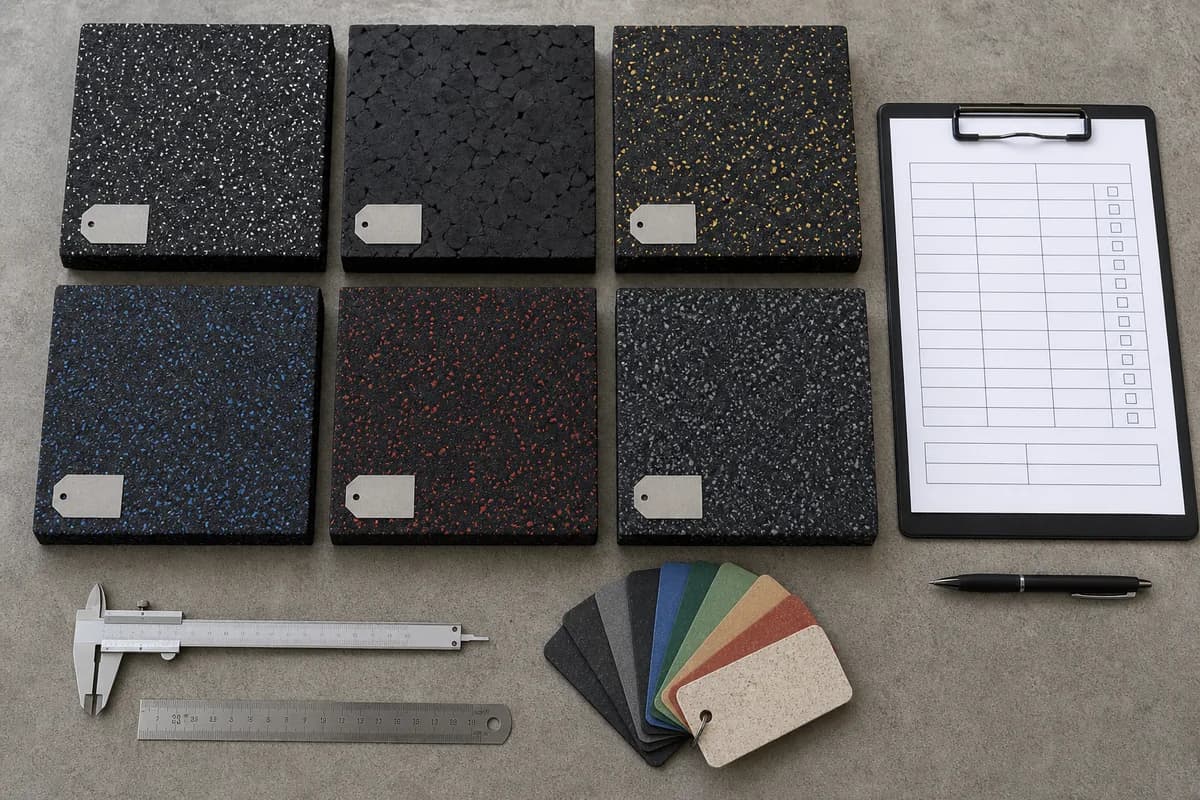
Yes. A retained physical sample gives both parties a reference for thickness, surface, color distribution, odor expectations and general construction before production is released.
Can one flooring specification cover every training zone?+
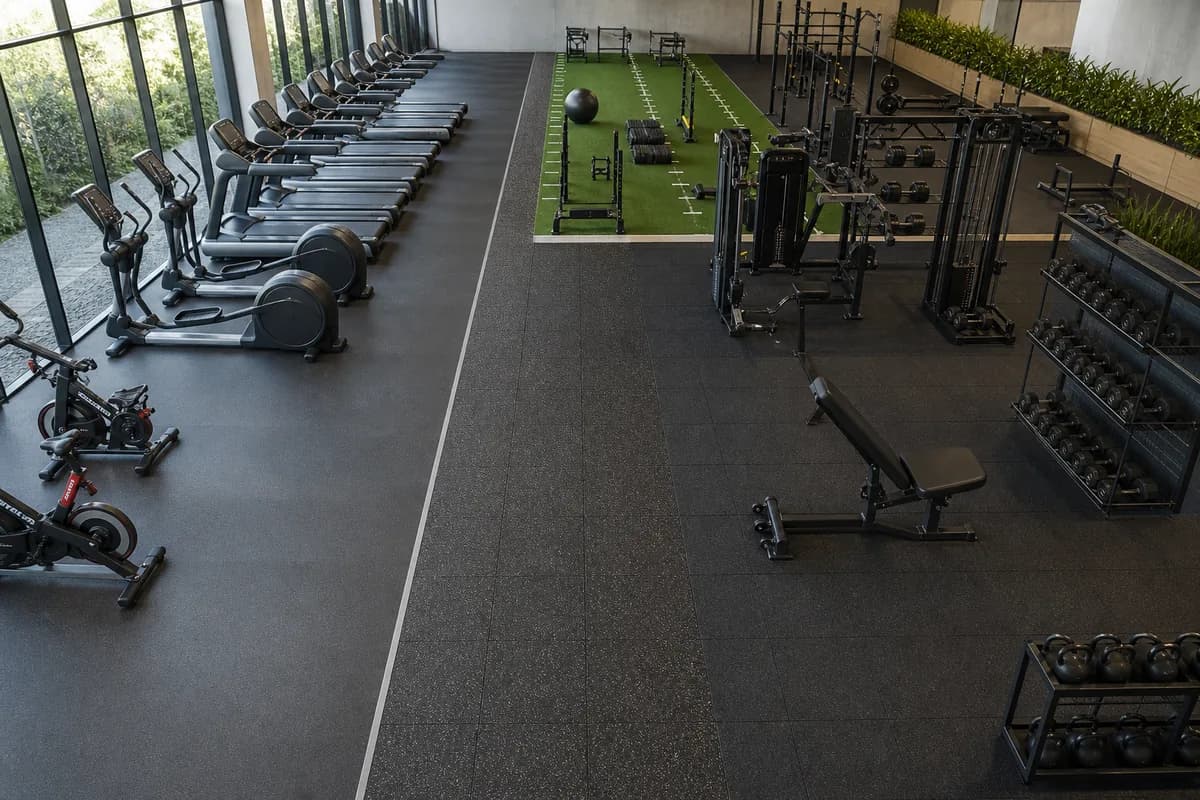
Sometimes, but zoning is usually more efficient. Cardio, circulation, strength and repeated-impact areas place different demands on a floor, so one universal thickness can over-specify light areas or under-protect heavy areas.
Should rubber flooring always be palletized?+
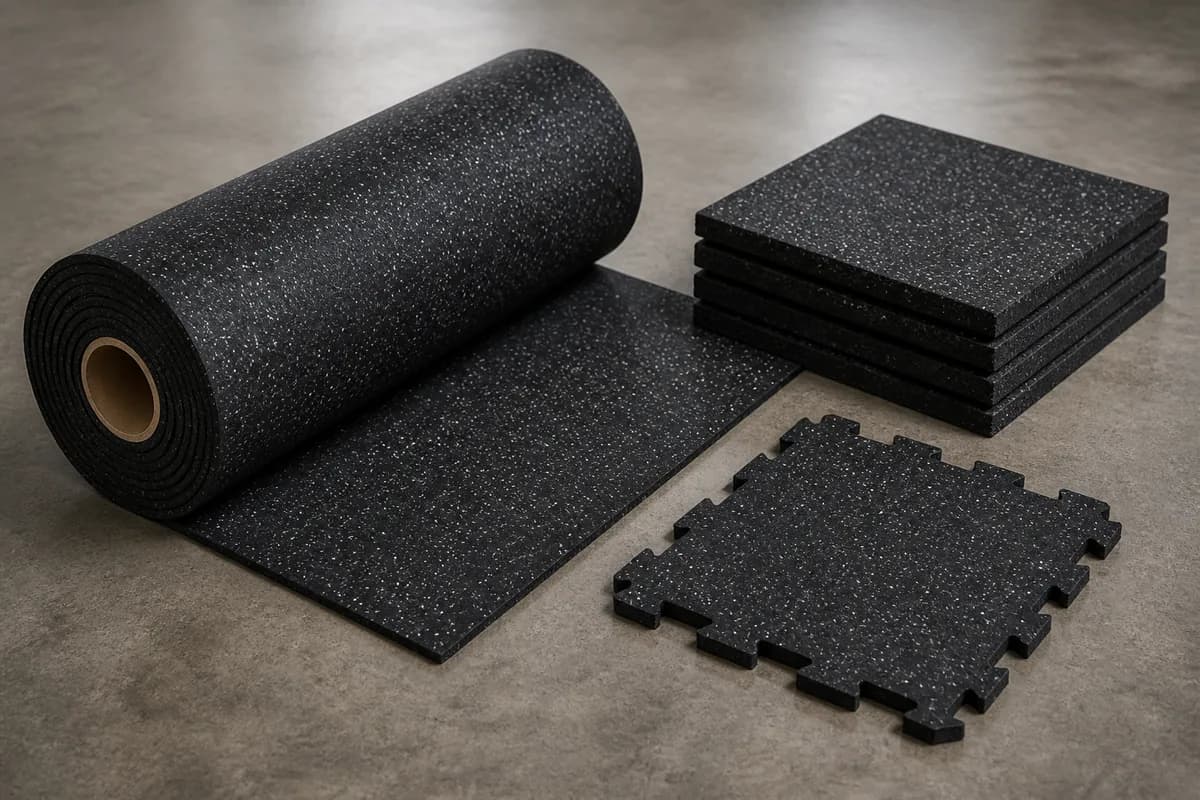
Not always. The product format, container utilization, handling equipment, destination rules and damage risk determine whether pallets are appropriate.