Rubber Flooring Odor and VOC Buying Guide
Evaluate odor expectations, ventilation, emissions documents, sample conditioning and installation materials for indoor gym flooring.
1.Separate odor from emissions
A material can have a noticeable odor without that observation defining its emissions result, and a product described as low odor still needs appropriate evidence when a project requires an emissions standard. Avoid substituting marketing language for product-specific documentation.
2.Use a controlled sample review
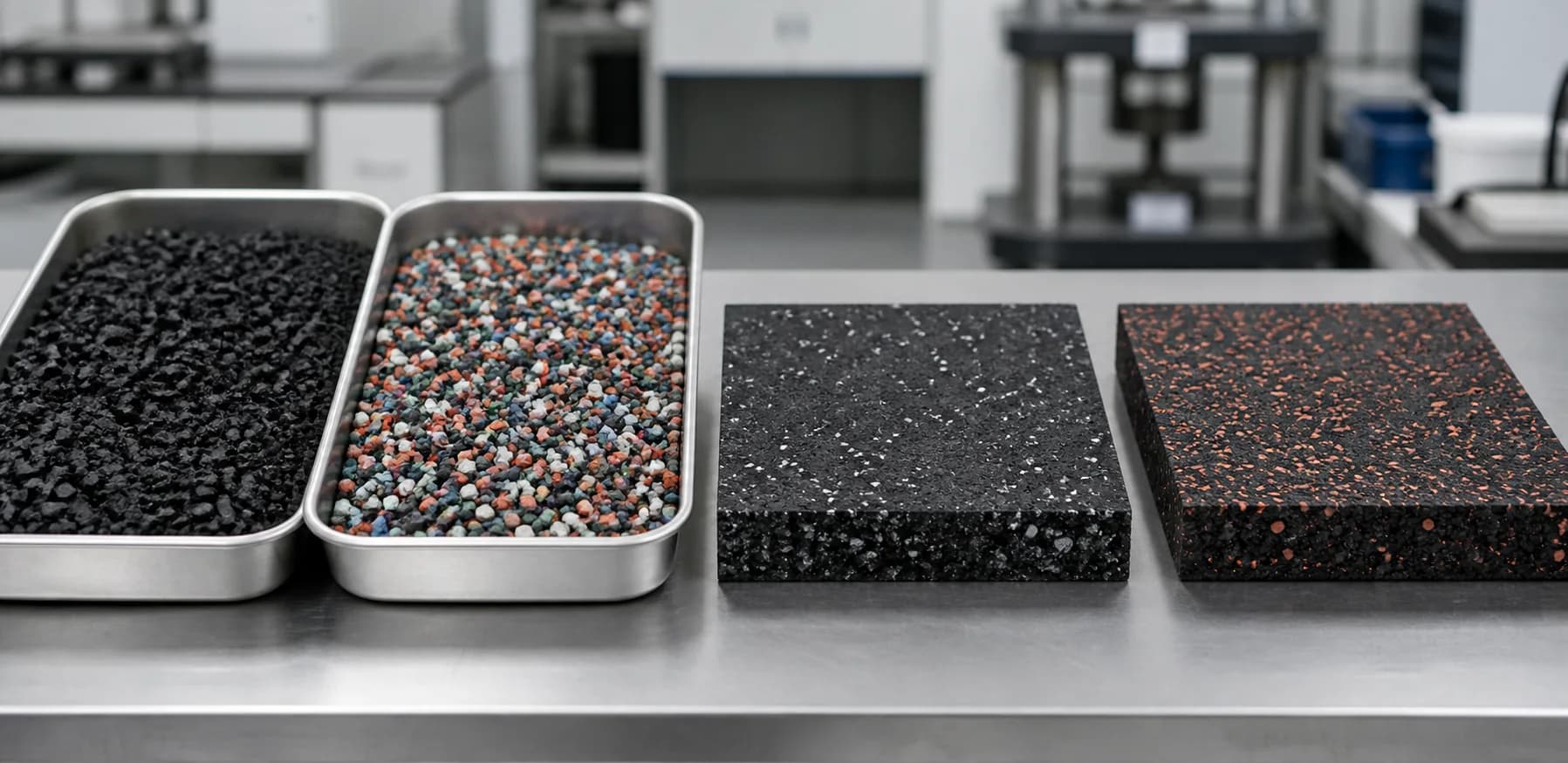
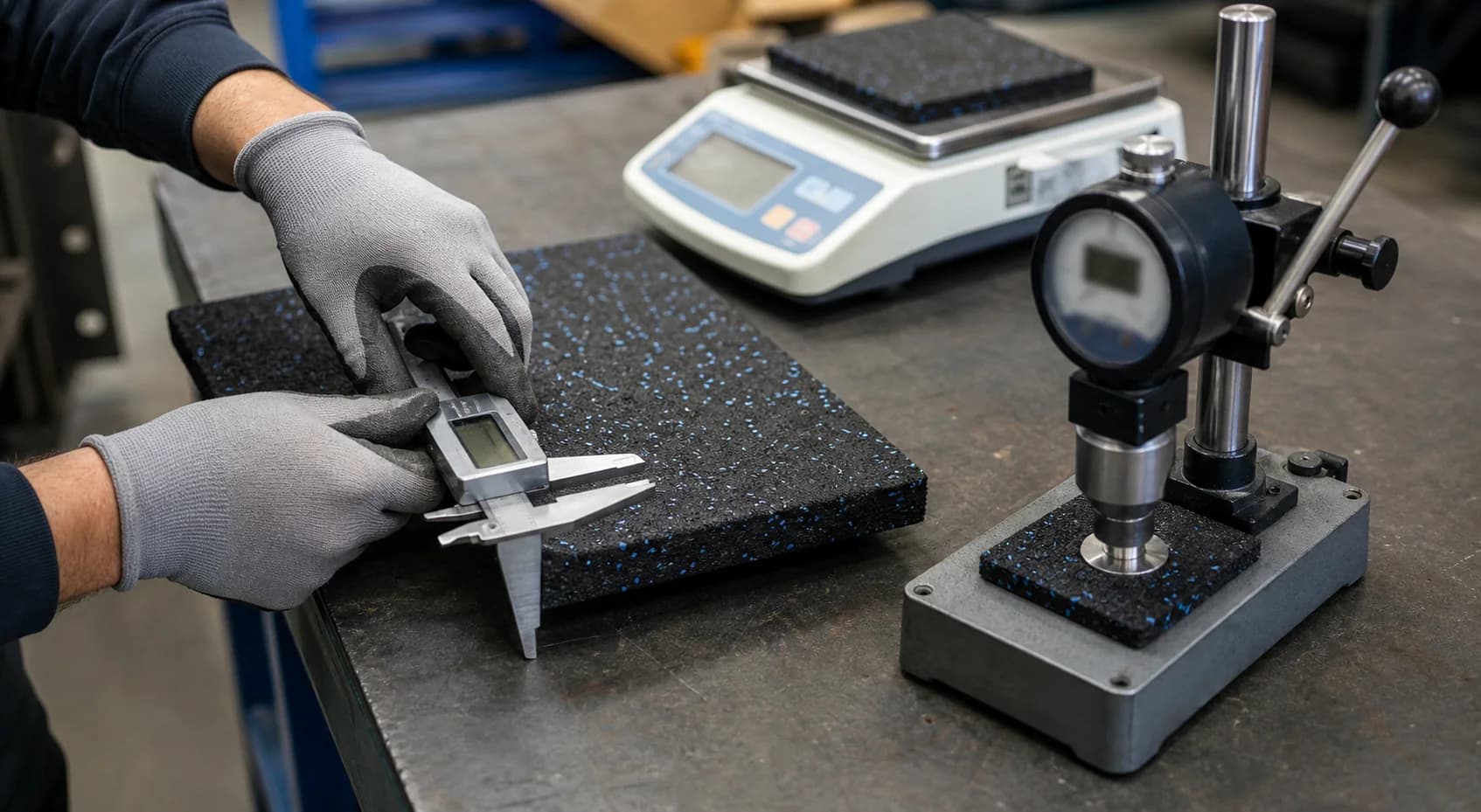
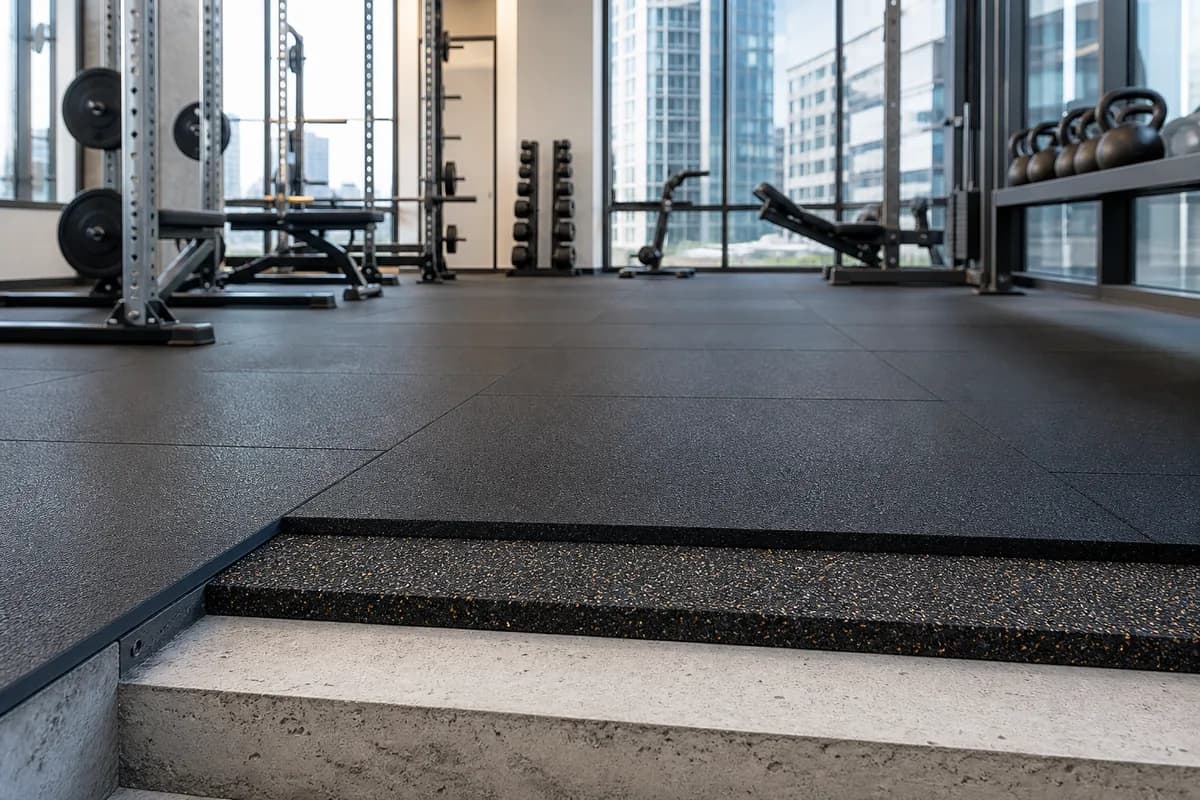
Request a representative sample from the offered construction and record when it was produced, packed and opened. Review it in a relevant indoor setting after a consistent conditioning period. Compare equal sample size and packaging rather than one fresh piece with one aged display sample.
| Input | Buyer check | Reason |
|---|---|---|
| Flooring | Exact construction and batch reference | Links observation to offer |
| Adhesive | Compatible product and documents | Installation adds materials |
| Room | Volume and ventilation | Affects concentration and perception |
| Timing | Delivery, installation and opening | Allows conditioning |
| Requirement | Named project standard | Defines acceptable evidence |
3.Verify emissions claims
When a project specifies VOC or indoor-air evidence, confirm the method, laboratory, product identity, issue date and scope. Reports for a different backing, thickness or formulation should not be presented as though they automatically cover the offered item.
4.Include the complete installation system
Primer, leveling materials, moisture mitigation and adhesive can affect the completed room. Coordinate products and ventilation with the installer and building team. Follow safety and cure guidance rather than masking odor with fragrances.
5.Plan delivery and occupancy
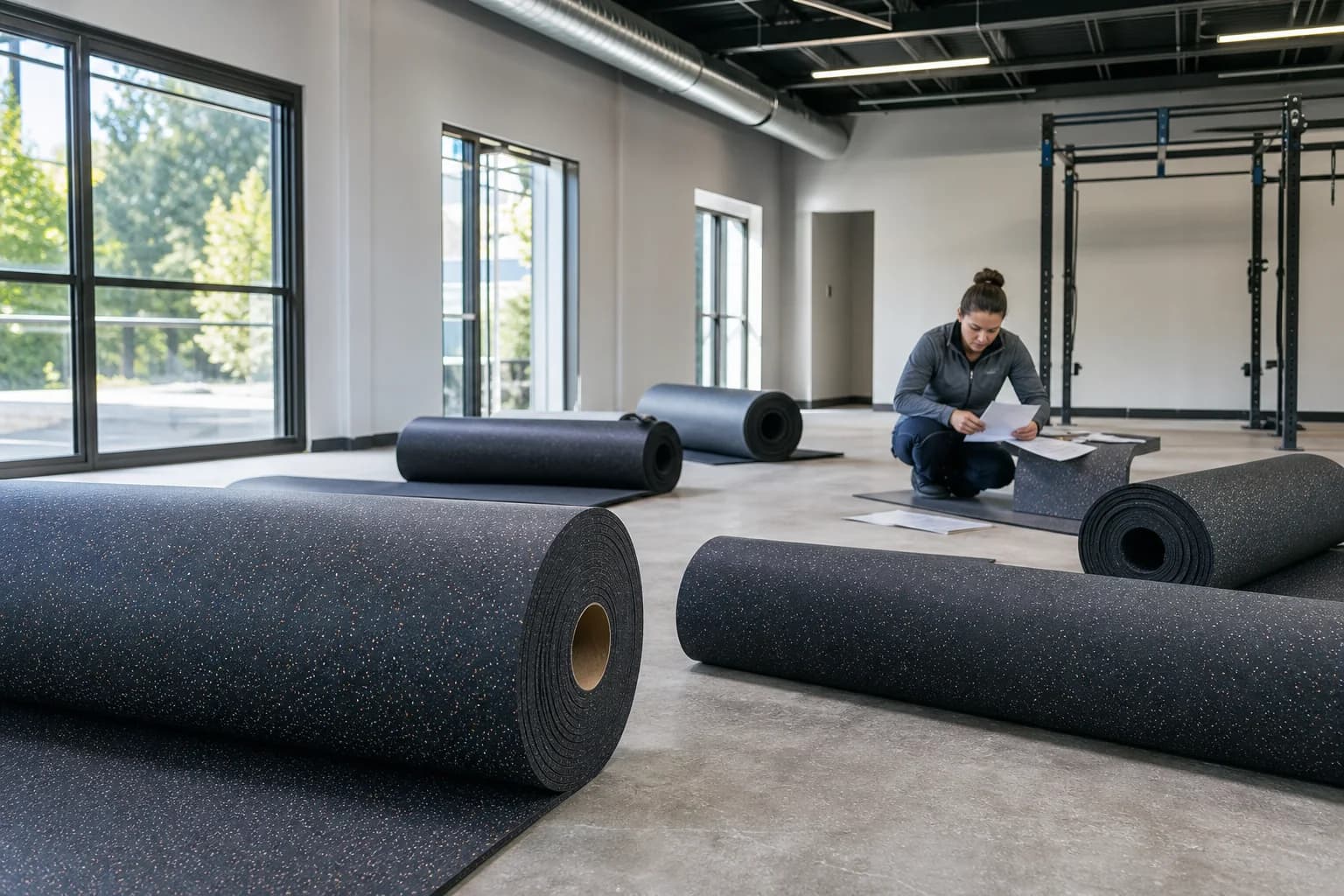
Allow time for unpacking, acclimation where required, installation, curing, cleaning and ventilation before equipment setup and public opening. Protect materials from contamination during construction.
Buyer Questions
Does all rubber flooring have the same odor?+
No. Formulation, construction, age, packaging and ventilation affect perception. Compare the exact offered products under the same conditions.
Does low odor mean low VOC?+
Not necessarily. Sensory odor and measured emissions are different evaluations.
Can flooring be aired outdoors before installation?+
Follow manufacturer storage and conditioning guidance. Uncontrolled outdoor exposure can introduce moisture, dirt, heat or deformation.
What documents should an indoor project request?+
Request the evidence named by the project requirement and verify that it identifies the same product construction being quoted.