 01
Specification · 11 min
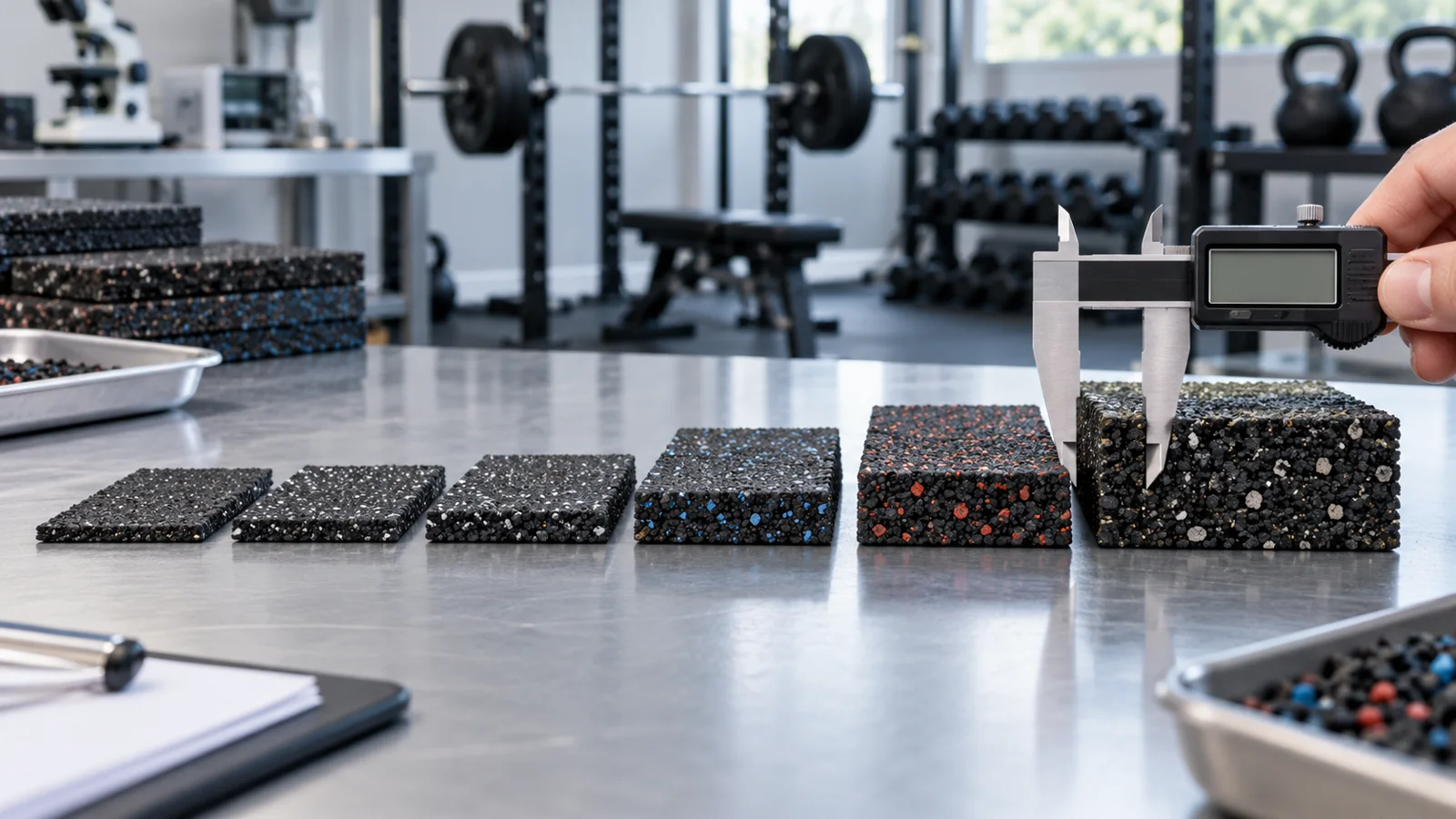
How to Choose Gym Flooring Thickness
Match thickness to equipment, subfloor and impact risk.
Read guide →Make better flooring decisions with practical, manufacturer-informed guidance for planning, product selection, installation, maintenance and international sourcing.
 FEATURED GUIDE
Choose thickness by training zone, equipment weight, drop behavior, subfloor and acoustic risk—not by room area alone. Large cardio and machine zones often use thinner dense surfaces, while free-weight and lifting zones need thicker impact systems.
Each guide answers a focused buying question, connects to relevant products and finishes with an action checklist.
01Match thickness to equipment, subfloor and impact risk.
Read guide →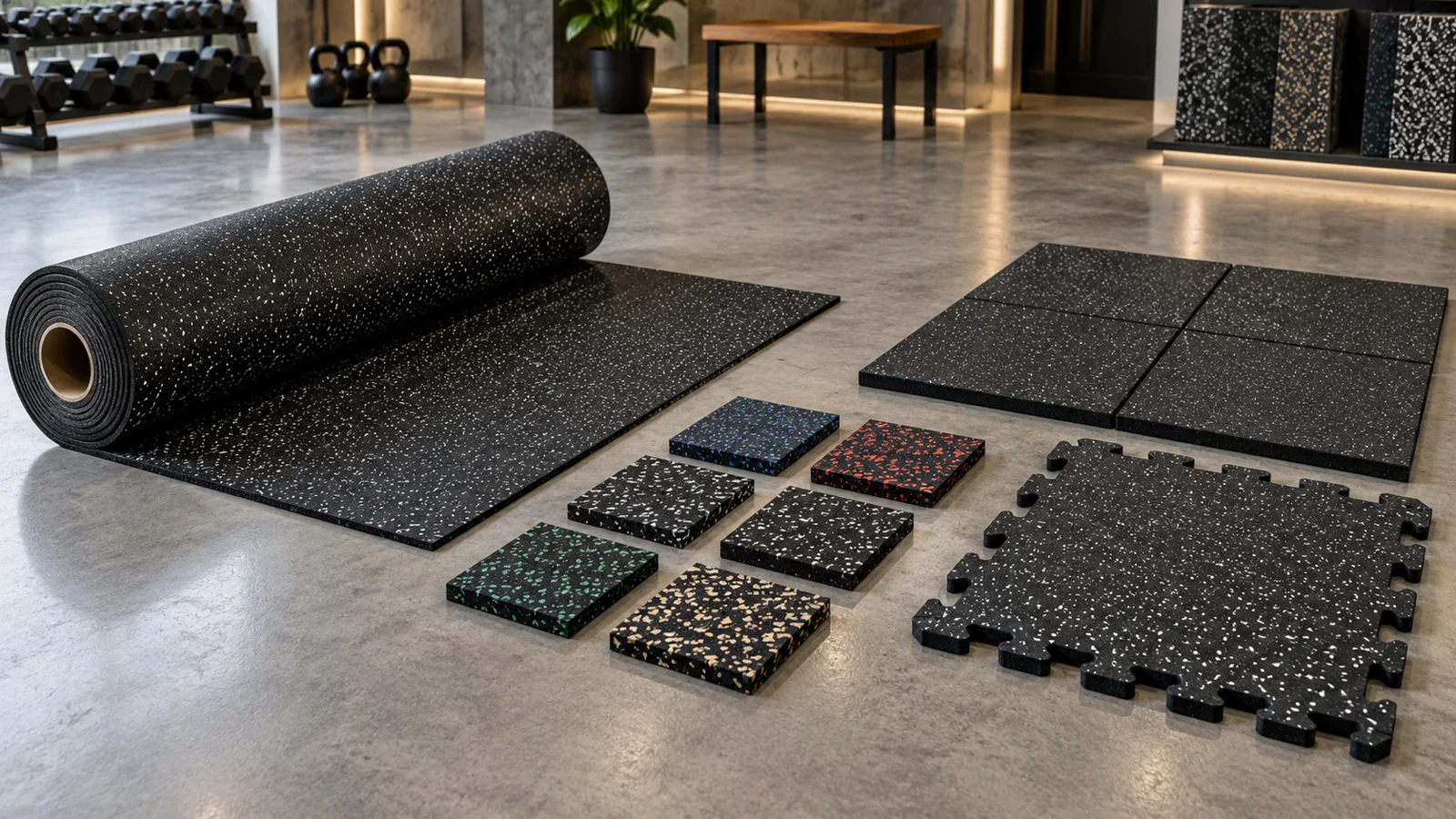 02
Compare seams, installation, maintenance and lifecycle value.
Read guide →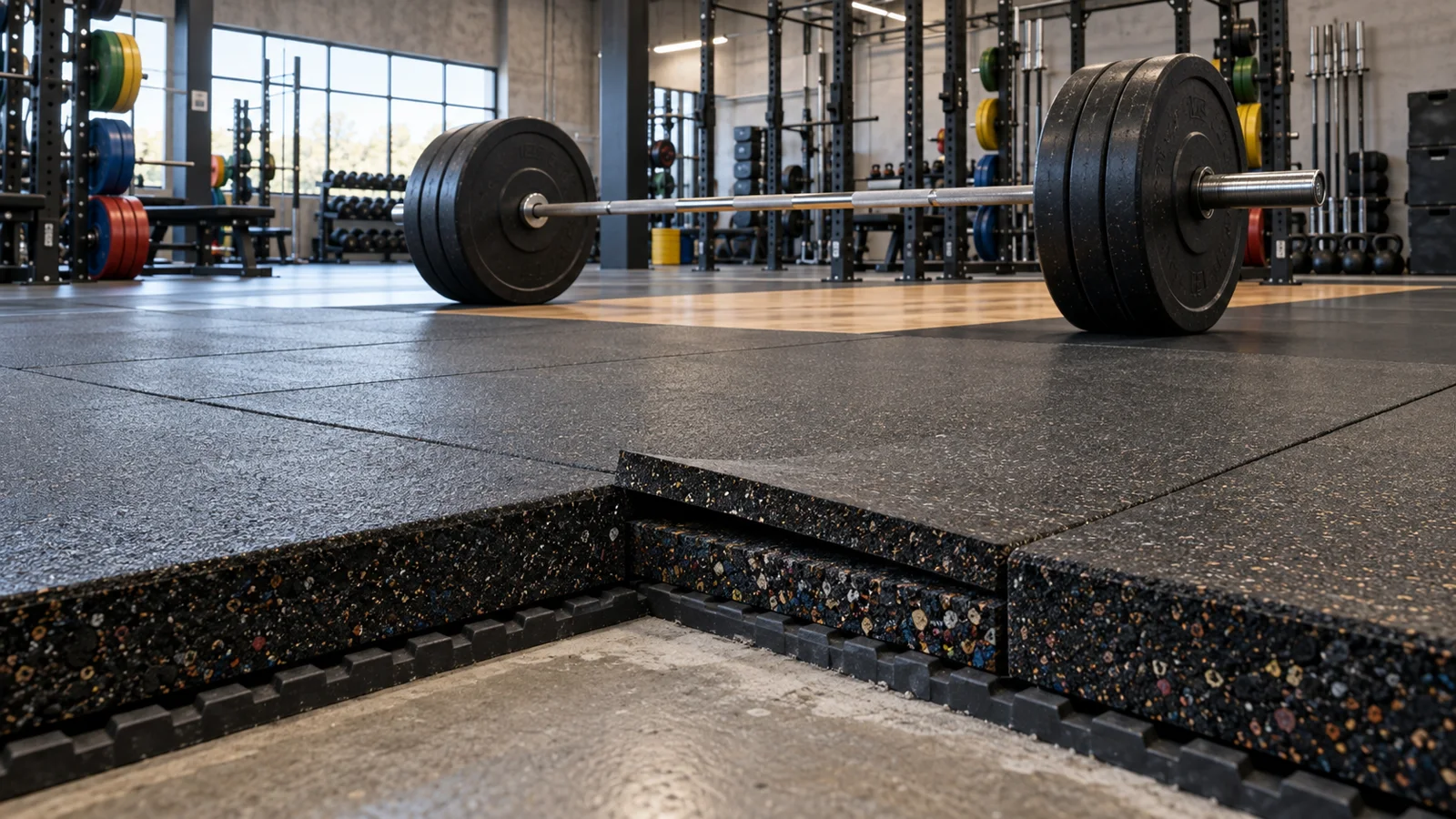 03
Plan protection for dropped weights and concentrated loads.
Read guide →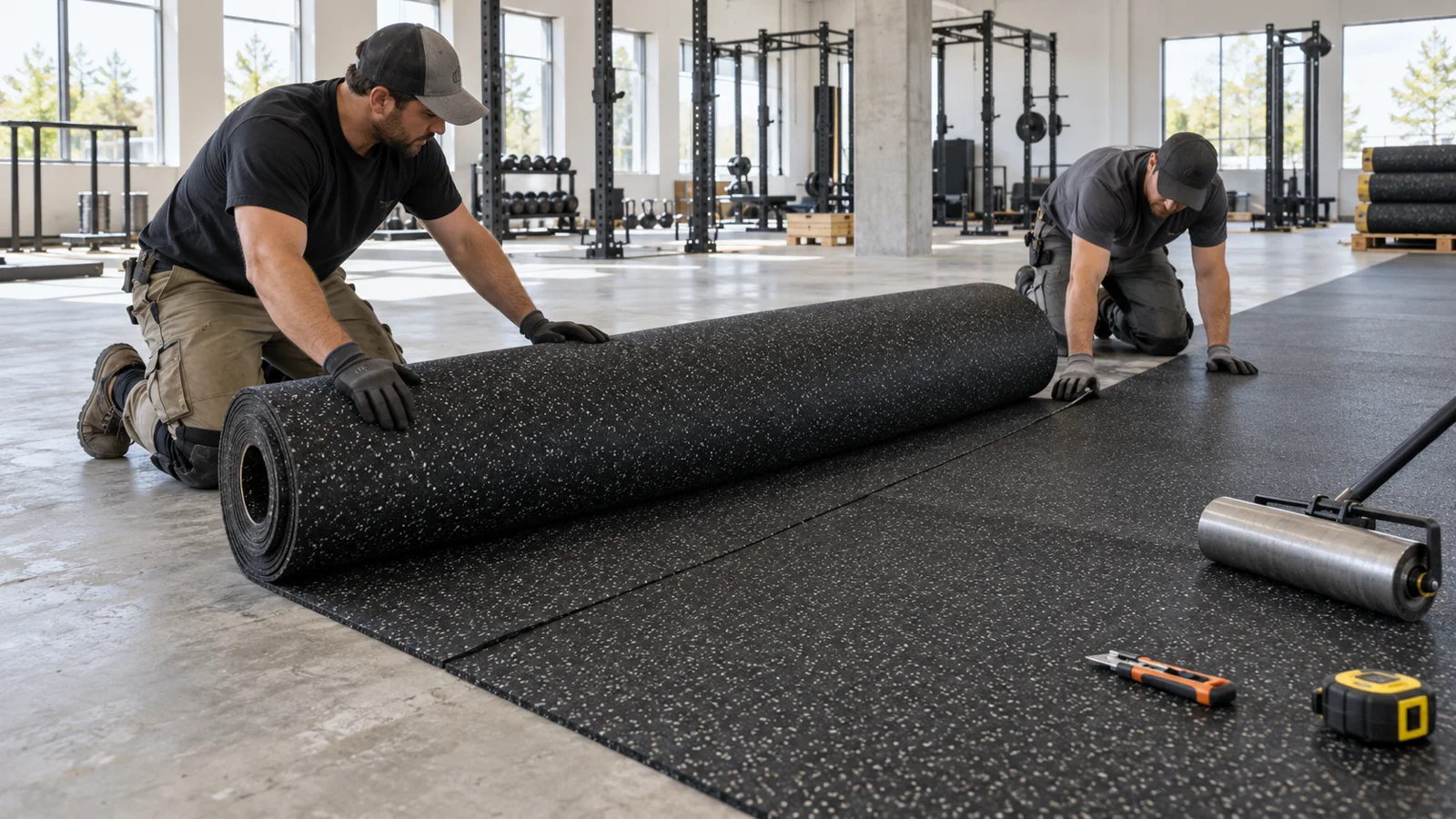 04
Prepare the subfloor and select the right installation method.
Read guide →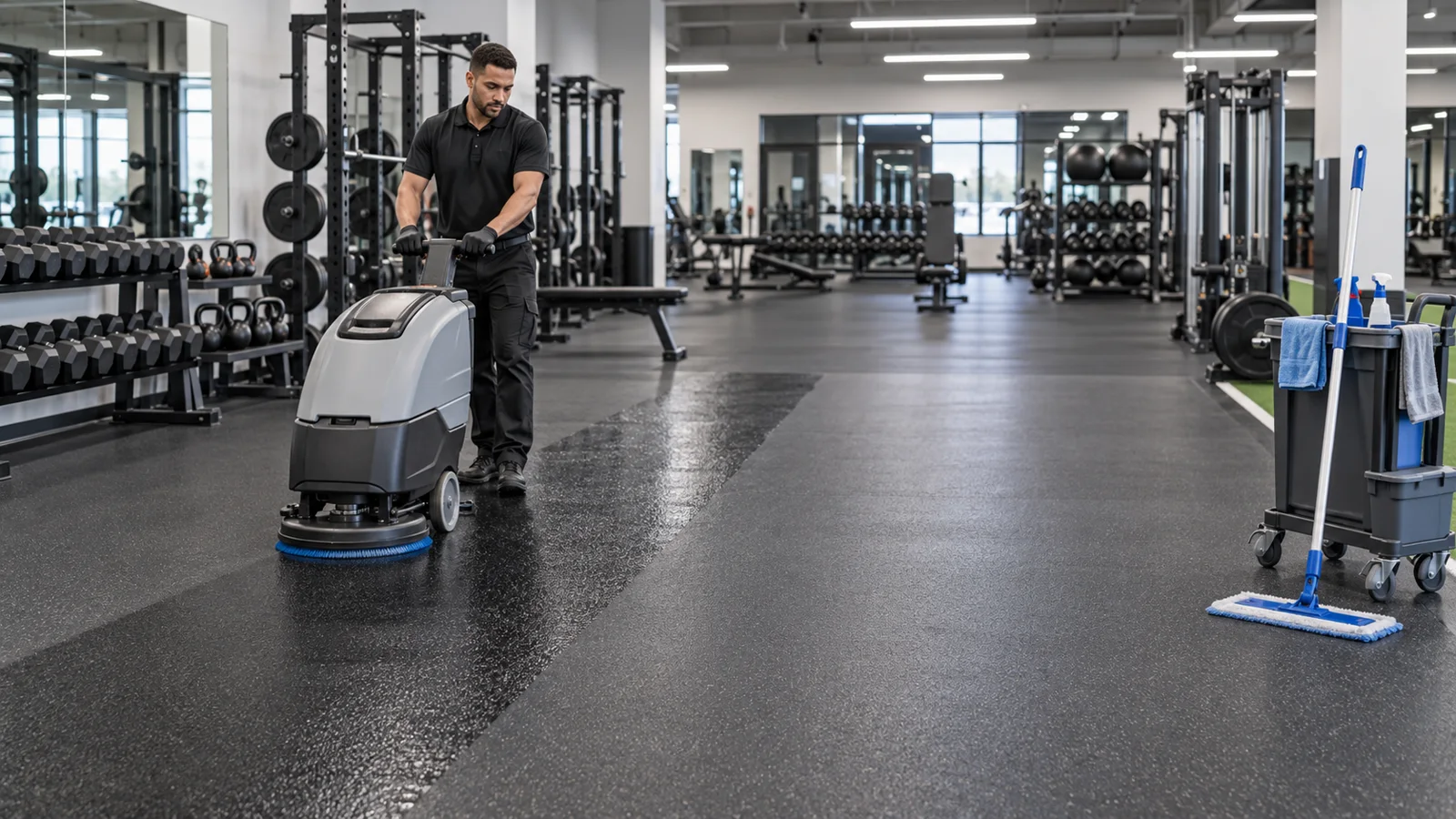 05
Protect appearance and service life with the right cleaning routine.
Read guide → 06
Send suppliers the details needed for an accurate quotation.
Read guide →Move from an early planning question to the product, application and RFQ information needed for a real purchase.
Translate equipment, impact and building conditions into a zone-based floor specification.
Understand the practical differences between rolls, tiles, interlocking mats and layered systems.
Prepare the substrate, coordinate transitions and protect the floor through handover.
Build a cleaning and inspection routine that protects traction, appearance and joints.
Send complete RFQs, compare landed cost and control samples, packaging and repeat orders.
Use the resource center to define zones, compare formats, prepare installation conditions and send a complete supplier brief.
Room, zones, equipment and building conditions
Formats, thicknesses, installation and lifecycle
Color, surface, structure and approved reference
Quantity, customization, packing and delivery term
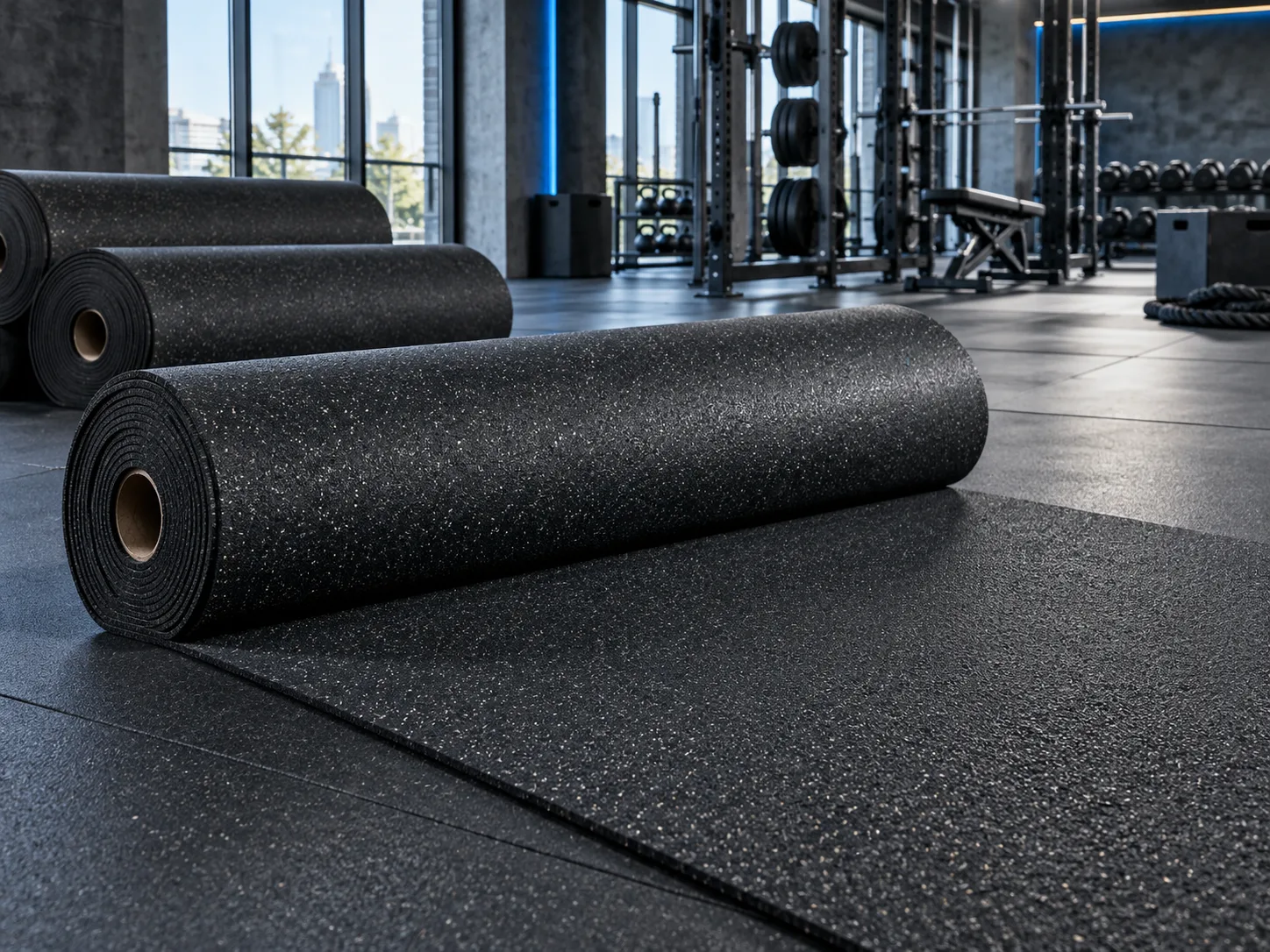
Seam-minimizing resilient flooring for large cardio, selectorized and functional training zones.
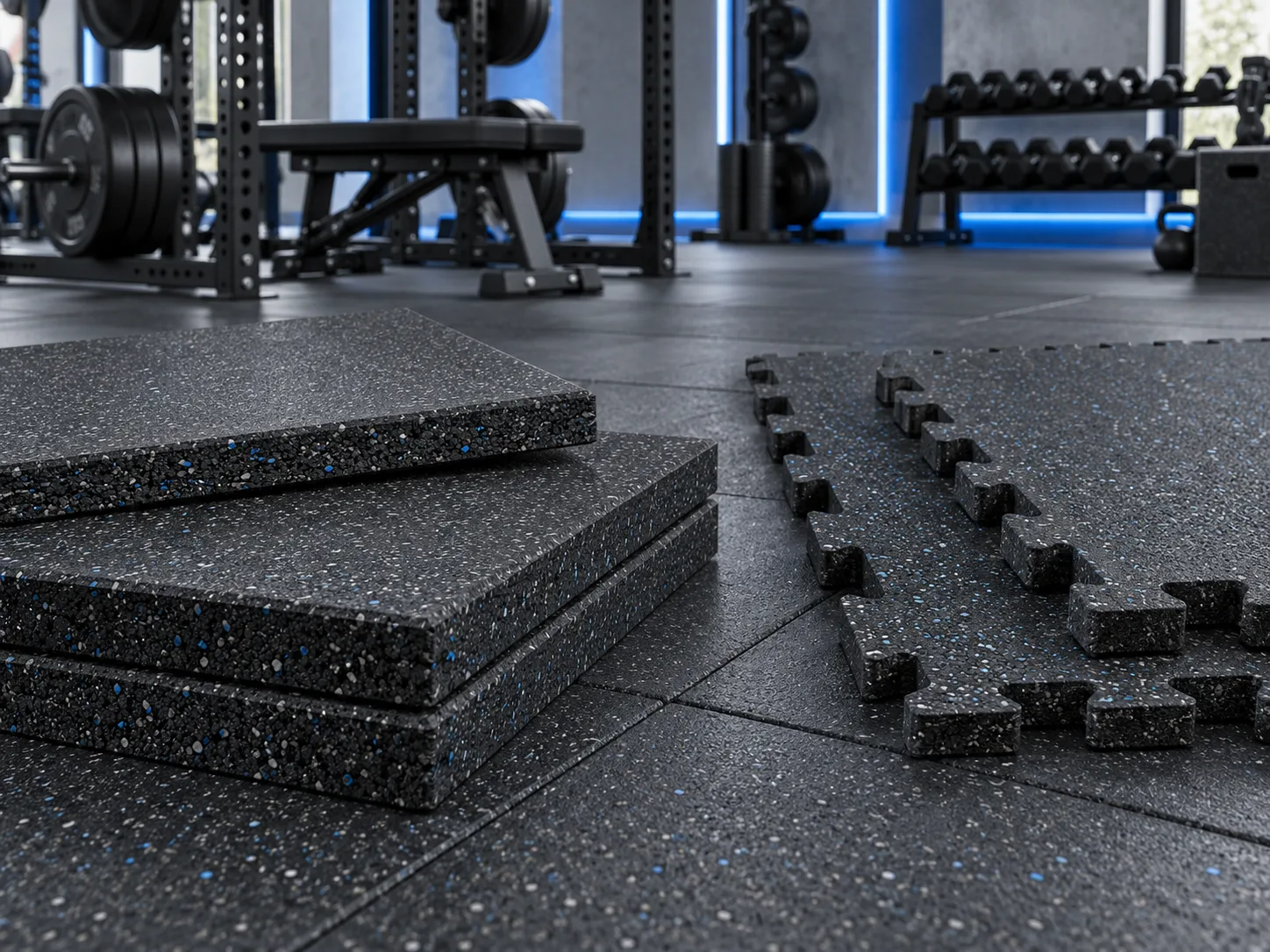
High-density modular tiles for free-weight rooms and commercial strength areas.
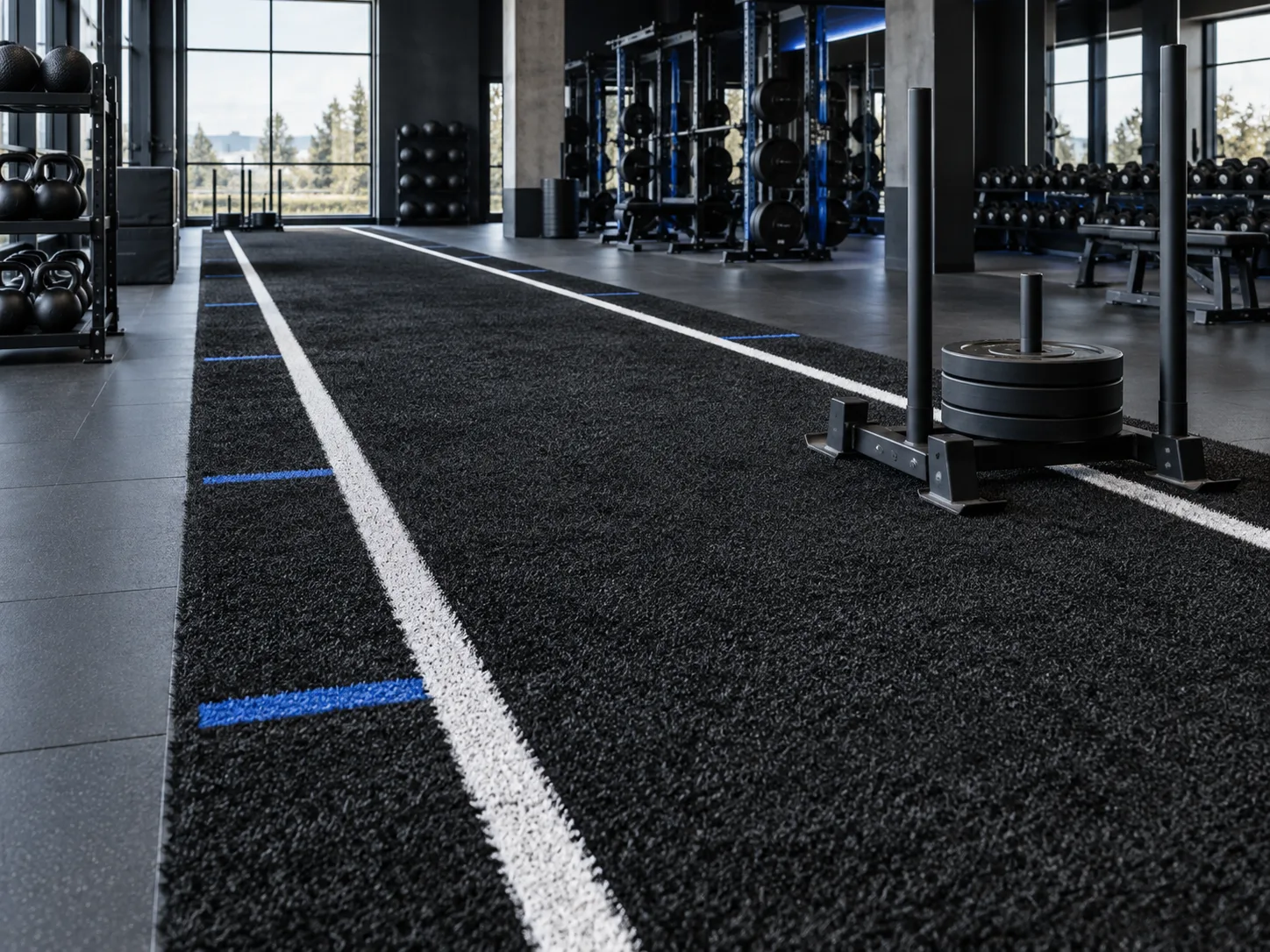
Low-friction training turf with custom lanes, markings and logo options.
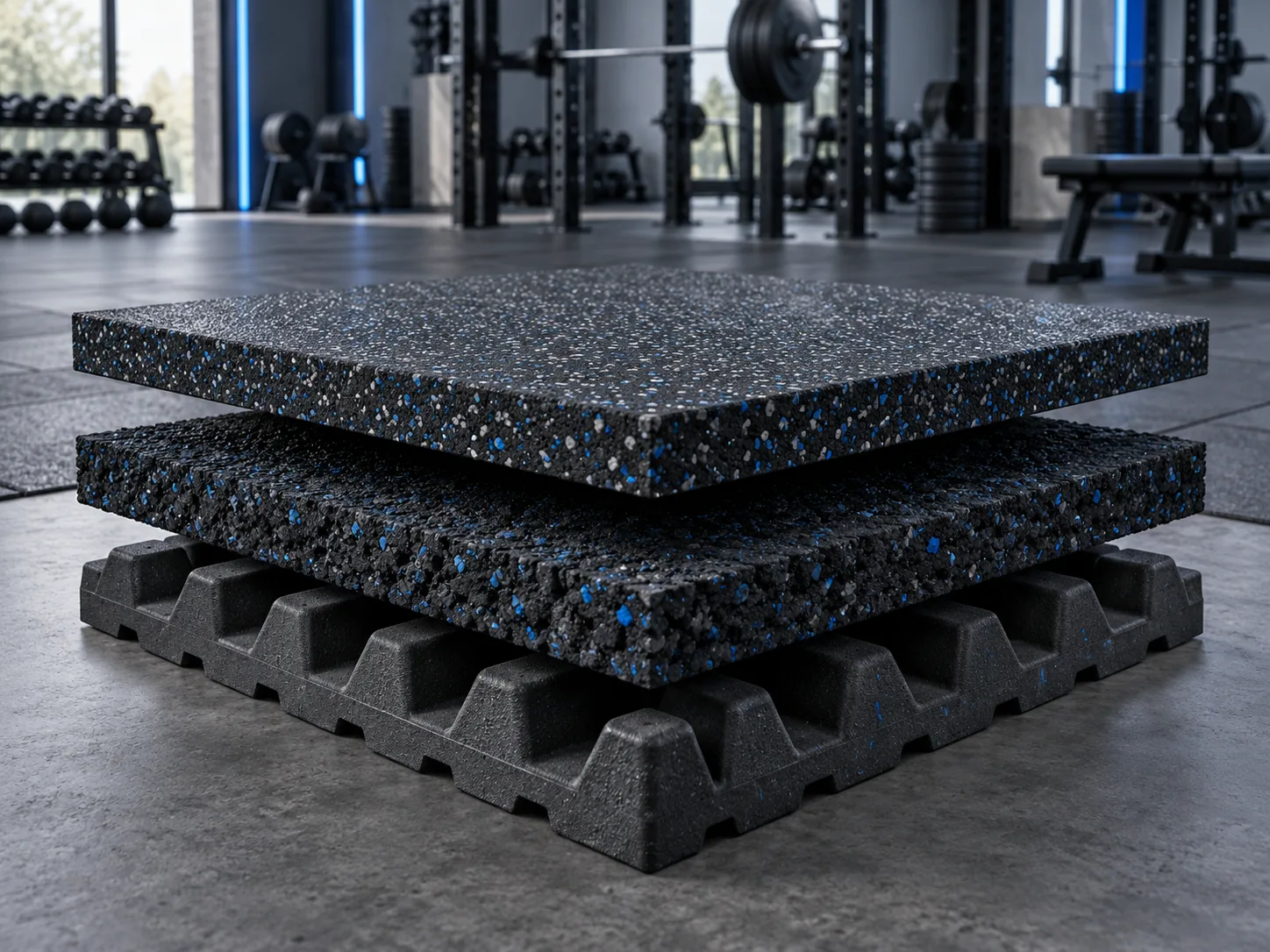
Layered sound-control support for upper-floor gyms, studios and heavy-impact zones.
Record room dimensions, training zones, equipment, expected impacts, subfloor, rooms below, cleaning routine, destination and installation responsibility.
Sometimes, but commercial gyms usually perform better with zone-based specifications for cardio, machines, free weights, turf and circulation.
Give every supplier the same zone schedule and request the full specification, packing data, Incoterm, sample route and included accessories.
Yes. B2B buyers can request free material samples.
Share your floor area, application and destination. We will recommend the right system and prepare a factory quotation.