Recycled vs Virgin Rubber Gym Flooring
Compare recycled and virgin rubber flooring claims, construction, traceability, performance evidence and purchasing implications.
1.Clarify the material claim
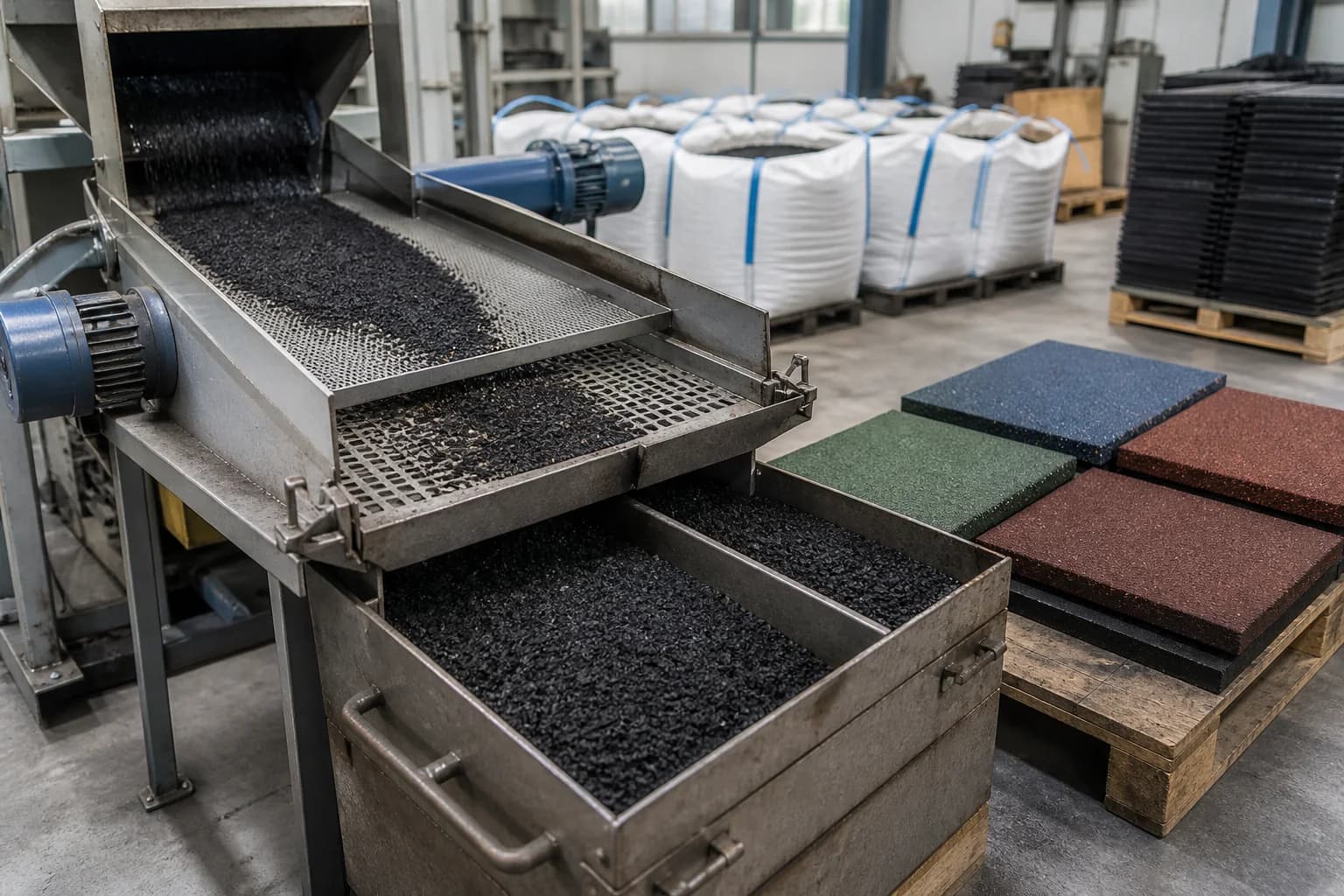
‘Recycled’ may refer to post-industrial or post-consumer feedstock and may describe only part of a layered product. ‘Virgin rubber’ is also incomplete without the polymer, additives and construction. Ask the supplier to describe the supplied product rather than relying on a headline label.
2.Compare the issues that affect purchasing
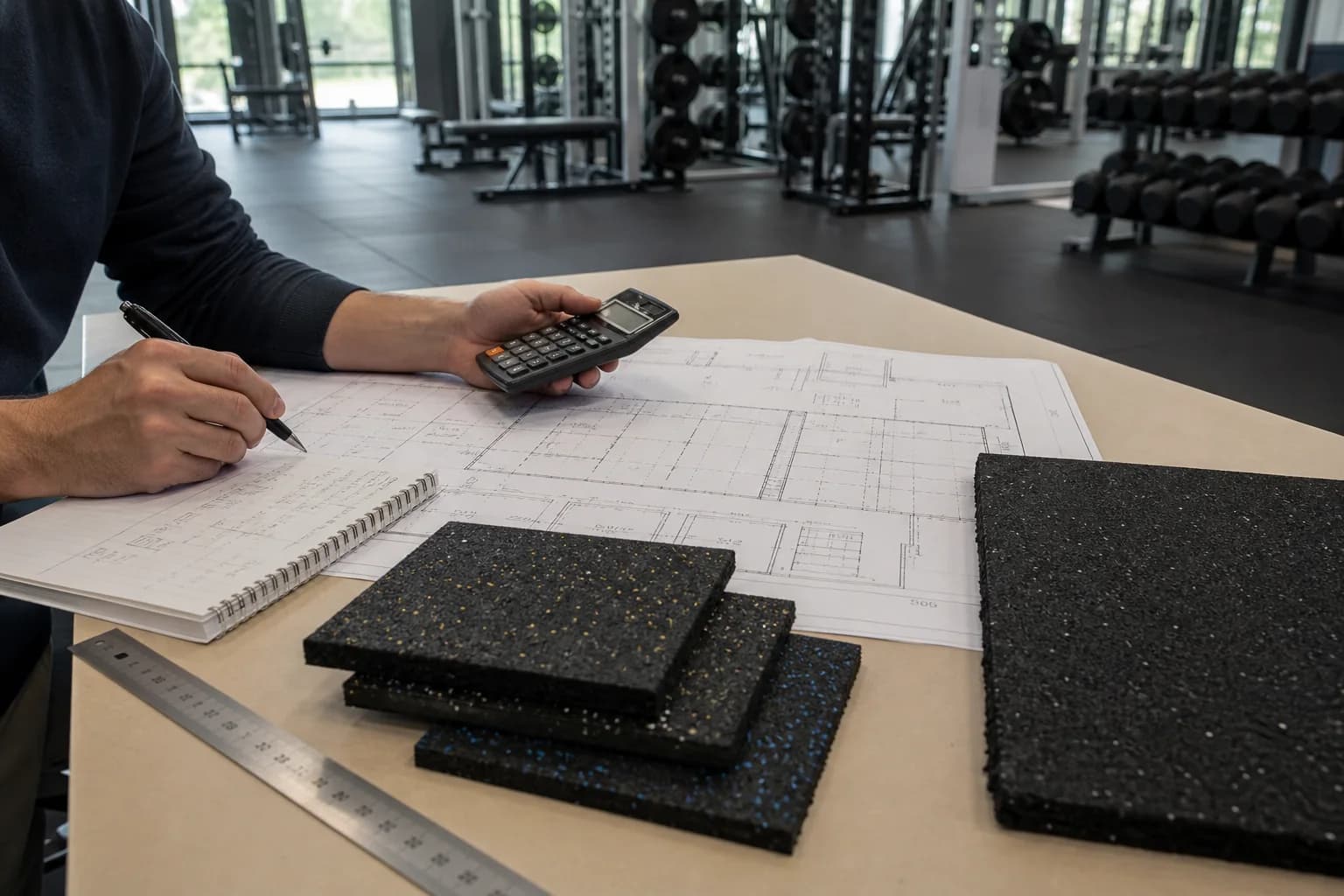
Commercial suitability depends on consistency, surface integrity, dimensions, odor expectations, maintenance, and documents required in the destination market. The comparison must use the exact SKU and thickness offered.
| Review area | Buyer question | Useful evidence |
|---|---|---|
| Feedstock | What material stream is used? | Supplier declaration |
| Consistency | How are batches controlled? | Sample and inspection records |
| Construction | Is the product single or multi-layer? | Cross-section and data sheet |
| Indoor use | What emissions evidence applies? | Product-specific report where available |
| End use | Which zones suit this item? | Application and installation guidance |
3.Where recycled rubber is commonly considered
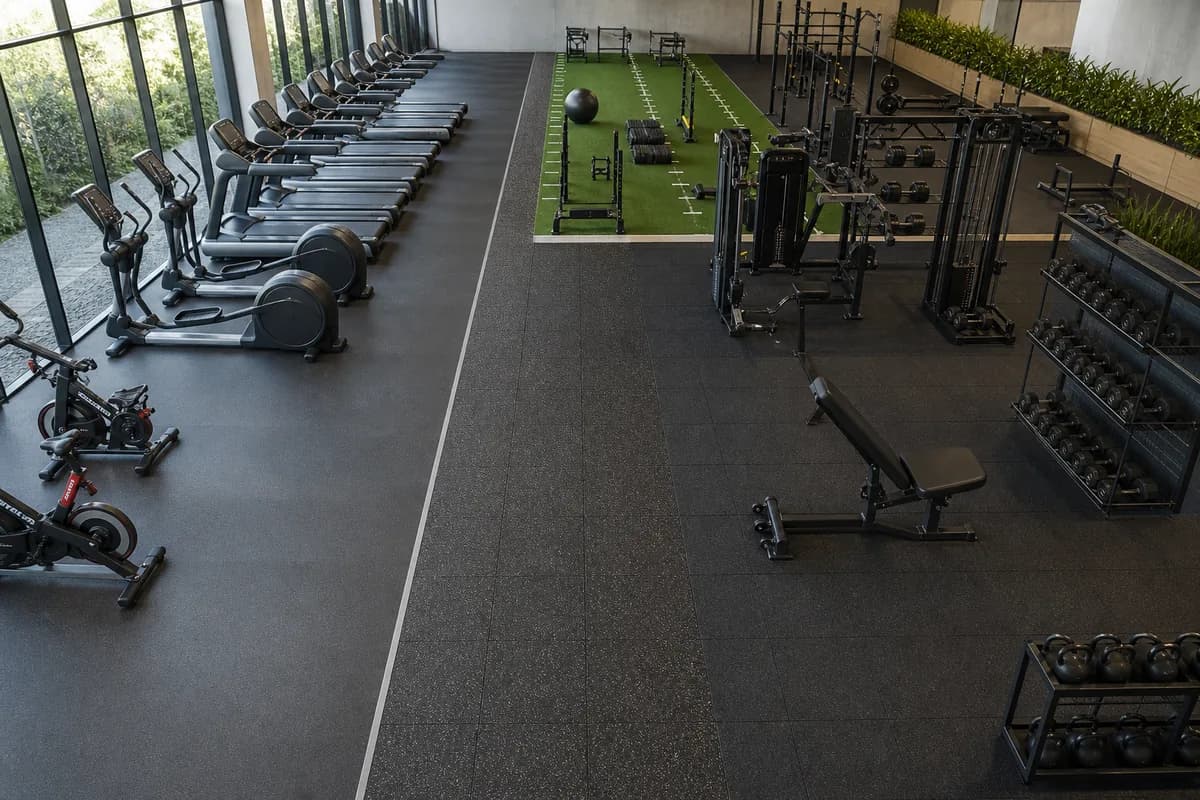
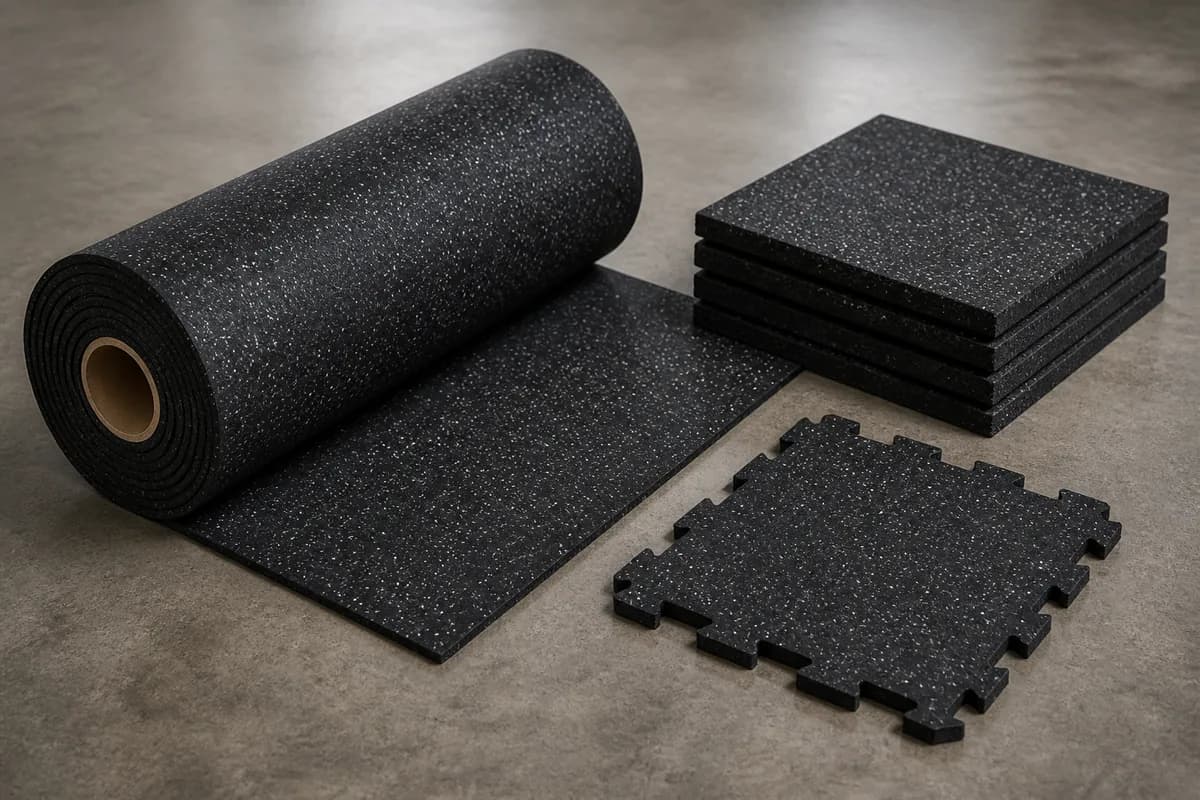
Recycled rubber constructions are widely evaluated for resilient gym tiles, rolls and underlays because they can provide practical mass and resilience. Buyers should still examine granule cleanliness, binder distribution, finished edges and batch consistency.
4.When a virgin-material route may be requested
Some markets, appearances or technical briefs may call for a different material route. The reason should be explicit—such as a defined formulation, color, surface or documentation requirement—rather than a general assumption about quality.
5.Use precise environmental language
Do not make broad sustainability claims from material origin alone. If environmental content matters, define calculation boundaries and request evidence supporting the exact claim. Transport, service life, maintenance and replacement also affect the project decision.
Buyer Questions
Does recycled rubber mean lower quality?+
Not automatically. The finished product must be evaluated for construction, consistency, dimensions, surface and the intended use.
Does virgin rubber guarantee low odor or low emissions?+
No. Those questions require product-specific formulation information and applicable testing, not a material label alone.
Can recycled content be verified?+
Ask the supplier what claim is being made, how it is calculated and what supporting declaration or evidence is available for the exact product.
Which is better for a weight room?+
Choose a complete flooring system based on impact, stability, subfloor, replacement and project requirements. Material origin is only one input.